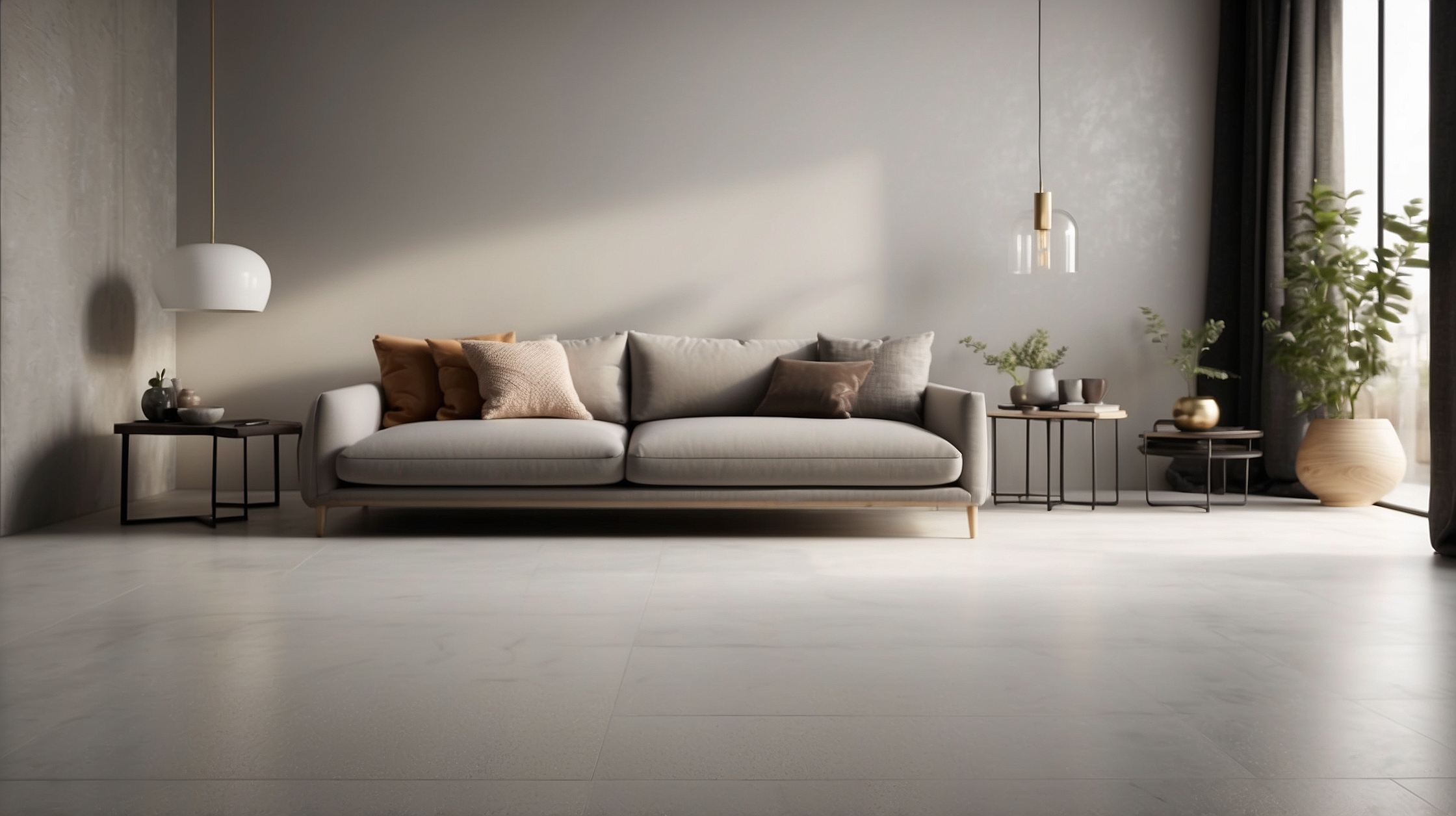
For years, homeowners and interior designers embraced microcement as a versatile, seamless material perfect for modern walls, floors, and furniture. It became a staple for industrial-minimalist aesthetics, used equally in new builds and renovation projects. But as we step further into 2024, the tide is starting to shift. An unexpected yet familiar material rooted deeply in tradition is making a grand return—and it’s threatening to dethrone microcement as the go-to favorite in home design.
This change has not occurred overnight. Trends in interior materials often reflect broader societal shifts and cultural nostalgia. The push for cozier, more rustic, and sustainable aesthetics is driving consumers back toward materials that offer texture, warmth, and continuity with nature. In this context, one material stands tall: **lime plaster**. Known for its organic beauty and timeless appeal, it’s fast becoming the preferred wall finish for designers who want to blend elegance with environmental awareness.
But what exactly is lime plaster, why is it gaining such traction now, and what does it mean for the future of microcement in residential design? Let’s explore the transformation shaking up the world of materials and what you need to know if you’re planning your next renovation.
At a glance: Comparing microcement to lime plaster
| Feature | Microcement | Lime Plaster |
|---|---|---|
| Appearance | Modern, smooth, industrial | Textured, natural, rustic |
| Eco-Friendliness | Moderate | High (natural & breathable) |
| Durability | High, especially in wet areas | High with adequate care |
| Application | Requires special preparation & tools | Traditional, artisanal process |
| Finish Style | Uniform, minimalistic | Textural, aged beauty |
What changed this year in the world of interiors
2024 has seen a notable shift in interior design priorities. While previous years celebrated sterile minimalism, this year’s trends emphasize **organic textures, harmony with nature**, and designs that tell a story. With this move comes a deeper appreciation for materials that feel hand-made, aged, and rooted in history.
Microcement, though still stylish and durable, is being edged out due to its cold, industrial feel that no longer aligns with current tastes. Design influencers and architects have begun showcasing interiors featuring the soft patina and textured depth of lime plaster—sparking surging demand from homeowners who want spaces that feel both refined and welcoming.
Why lime plaster is making a comeback
While lime plaster isn’t new—it’s been used since Roman times—its resurgence ties into both aesthetic and environmental preferences. Made by mixing **lime, sand, and water**, lime plaster is entirely natural and ages gracefully over time, developing a unique texture and matte softness that synthetic materials can’t replicate.
Designers love its breathable quality, which helps regulate indoor humidity and contributes to a healthier living environment. It’s also naturally antibacterial and extremely eco-friendly due to its low embodied energy. Combined, these qualities align perfectly with the emerging values of sustainability and craftsmanship.
“There’s something deeply human about lime plaster. It reflects the hand of the artisan and adds soul to any space.”
— Camille Duret, Interior Designer
Where microcement still holds its ground
Despite its fading dominance, microcement isn’t disappearing entirely. It remains an excellent choice for **kitchens, bathrooms, and outdoor areas** due to its waterproof properties and ease of maintenance. Its sleek, joint-free finish still appeals to those who favor a cutting-edge aesthetic or are working within a more contemporary context.
However, designers are increasingly pairing microcement with warmer textures—such as pairing a microcement floor with lime plaster walls—to achieve a balanced and more welcoming environment. In this way, both materials can co-exist without clashing in mood or style.
Winners and losers of this material shift
| Winners | Losers |
|---|---|
| Eco-conscious designers | Industrial-minimalist purists |
| Homeowners seeking natural aesthetics | Microcement-only applicators |
| Artisanal plaster applicators | Companies relying on synthetic coatings |
How lime plaster is applied—and why it’s different
Applying lime plaster is both an art and a science. Unlike microcement, which often requires mechanical polishing and sealing, lime plaster is applied in **light coats by hand**, sometimes layered with pigments or waxes for color and finish manipulation. The process allows for texture variation and enhances the tactile appeal of a room.
It does take longer to apply and cure than modern alternatives, but many consider this a virtue rather than a drawback. The slow-set nature of lime fosters craftsmanship, creates depth, and avoids the plastic uniformity of synthetic materials. The result? No two surfaces look exactly alike.
“Working with lime plaster requires patience and understanding of materials—it invites you to slow down and create.”
— Marco Benetti, Artisan Plaster Specialist
When combining materials works best
The most forward-thinking projects in 2024 don’t pick a single hero material—they combine elements to enrich the home environment. A bold microcement kitchen island against soft earthy lime walls, for example, creates a visual narrative that feels curated and warm.
In bathrooms, using lime plaster on select walls while keeping microcement in the shower zones delivers both aesthetics and functional durability. The key is in **blending rustic and modern elements** to form contrast and cohesion.
Maintenance tips you should know
While microcement generally requires less upkeep—being resistant to moisture and stains—lime plaster surfaces need a bit more love. They should be cleaned with natural soaps and soft sponges. Avoiding harsh chemical cleaners is critical, as they can erode the surface’s integrity and dull its matte texture.
Some designers advocate for periodic waxing or lime washing every few years to refresh the surface and maintain its protective qualities. This minor effort is a small price to pay for the visual richness and breathable beauty lime plaster brings into a home.
Understanding the pricing and investment
In terms of budget, both microcement and lime plaster fall into the premium category. Lime plaster may come at a slightly higher cost due to the **labor-intensive application and artisanal skill required**, but it pays off in uniqueness and eco-credentials. Homeowners investing in sustainable, high-touch materials often consider this an added value rather than a cost.
As demand grows, more professionals are moving toward lime-focused specializations, which may gradually ease pricing with more widespread adoption. Either way, both microcement and lime plaster are substantial investments that deliver long-term dividends in design quality and durability.
What to expect in the coming months
As interior design continues to evolve, we can expect further segmentation in material preferences. A rising number of projects will likely feature **lime-based finishes, textured coatings, and climate-responsive materials**. The current return to artisanal techniques is more than a trend—it’s part of a larger movement toward authenticity, narrative, and sustainability.
Homeowners looking to reflect these values in their interiors will find lime plaster to be not just a cosmetic update, but a meaningful one too. For microcement, this doesn’t spell extinction—but it does suggest a supporting role instead of the star position it once held.
Frequently Asked Questions
Is lime plaster more expensive than microcement?
Generally, yes. Lime plaster involves more manual labor and artisanal skill, which can increase pricing. However, its eco-friendliness and unique aesthetic often justify the investment.
Can lime plaster be used in bathrooms or wet areas?
Yes, but with proper sealing and maintenance. Lime plaster shouldn’t be directly exposed to heavy water without protective layers, but it can be used beautifully in low-splash zones.
Does lime plaster come in different colors?
Absolutely. Pigments can be added to natural lime mixes, or coloration can be layered with waxes and washes, adding depth and variety.
How long does lime plaster take to apply and cure?
Application can take several days to weeks, depending on project size and layering. Proper curing time is essential to ensure durability and finish quality.
Is lime plaster safe and eco-friendly?
Yes, it’s one of the most sustainable building materials available. It’s natural, breathable, and even absorbs a small amount of CO₂ over time.
Can I apply lime plaster myself?
It’s possible for experienced DIYers, but most recommend professional application due to the artistry and technical preparation involved.
Will lime plaster last as long as microcement?
With proper care, yes. Lime plaster can last for decades and even centuries, aging beautifully over time rather than deteriorating.
What styles pair best with lime plaster?
Lime plaster complements rustic, Mediterranean, Scandinavian, and boho interiors exceptionally well, and also softens minimalist spaces.