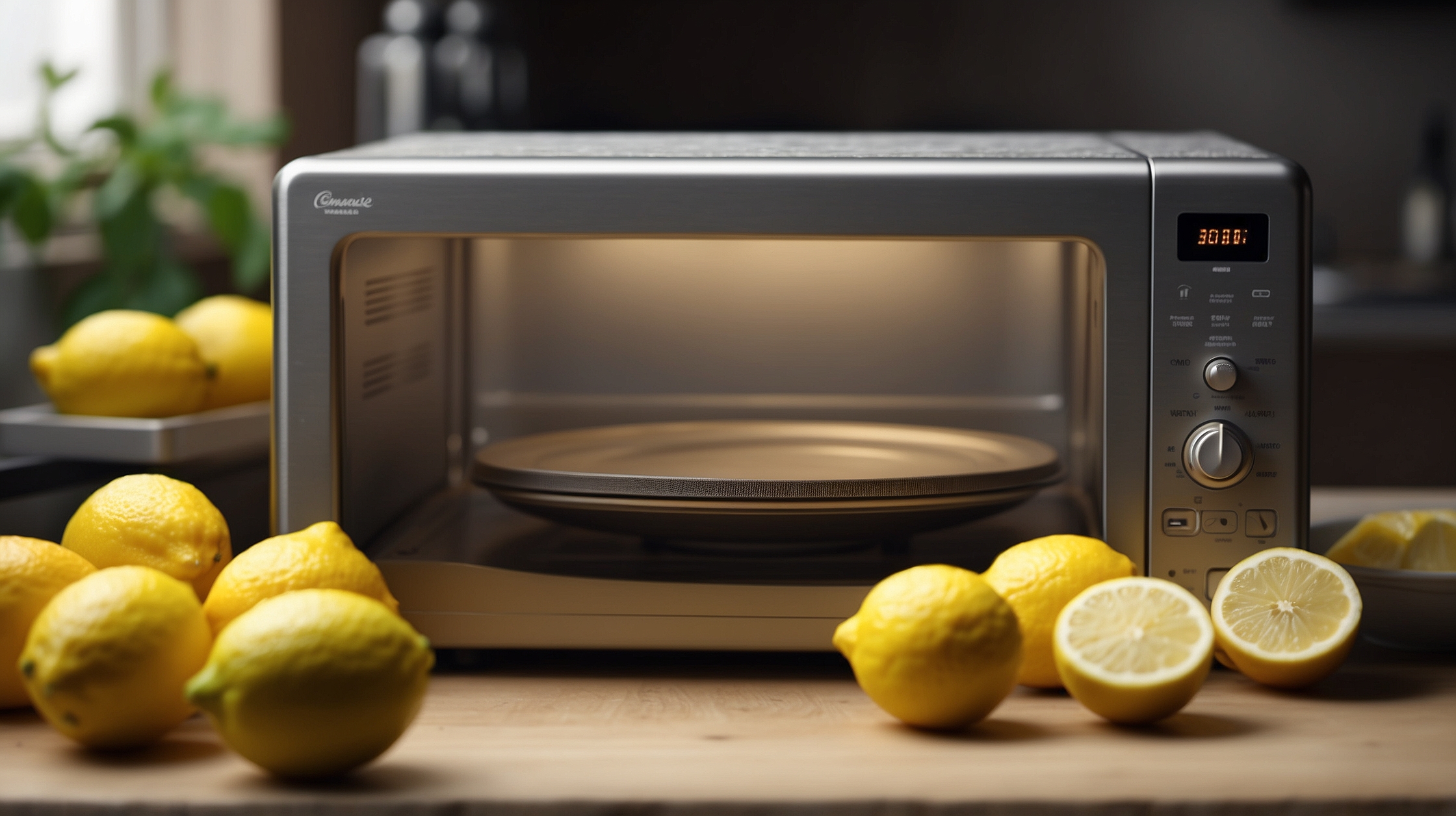
Sometimes, the smallest kitchen tricks have the most surprising results. Picture this: you’re in the middle of cooking dinner, and you’re trying to squeeze fresh lemon juice to brighten up a sauce or marinade. But the lemon is surprisingly stingy with its juice. You knead it, roll it, and twist it, but only a few drops come out — not the juicy stream you were hoping for.
It’s a frustrating and all-too-common experience. Many home cooks don’t realize that one everyday kitchen appliance—the microwave—holds the key to unlocking a lemon’s full potential. A quick zap of heat can turn even the firmest citrus into a citrus fountain, dramatically changing the way you prepare your meals, desserts, and drinks.
This might sound like an internet gimmick, but it’s backed by science and loved by professional chefs. Microwaving a lemon for just a few seconds loosens its pulp and breaks down the tiny juice-holding sacs inside. The result? More juice with less effort, each and every time. Let’s explore why this trick works, how to do it right, and all the ways you can benefit from a simple microwave burst in the kitchen.
Why people are microwaving lemons and what it does
| Microwaving Time | 15–20 seconds |
|---|---|
| Main Benefit | Increases juice yield |
| Preparation Tip | Roll or knead the lemon before microwaving |
| Secondary Benefit | Enhances aroma and softens peel |
| Use Cases | Cooking, baking, cocktails, cleaning |
The science behind microwaving a lemon is simple yet powerful. Lemons are made primarily of water with some citric acid and natural sugars. Their juice is stored inside tiny membranes within the fruit’s flesh. Normally, a lot of force is needed to break these cells open and extract their liquid. But heat from the microwave causes the water molecules inside the lemon to vibrate rapidly, generating steam and pressure that breaks those juice-holding structures. That makes the juice easier to extract and significantly increases the amount you get.
At the same time, heat softens the outer peel, which makes the fruit more pliable and easier to squeeze. It’s not just about volume — it also reduces hand strain and makes the process a lot less messy. The natural citrus oils in the peel also become more aromatic when heated, infusing recipes with a deeper, richer scent.
How to microwave a lemon the right way
Doing it right only takes a few simple steps:
- First, **select a ripe lemon** that feels heavy for its size. This typically means it’s full of juice.
- **Rinse** the lemon to remove any dirt or pesticides from the skin.
- **Roll the lemon** on your countertop using firm pressure to loosen the interior fibers even before heating.
- **Place the lemon in the microwave** and heat it for 15 to 20 seconds.
- Carefully **remove it using tongs or a cloth**, as the lemon may be hot to the touch.
- Slice and squeeze as normal—only now, you’ll get significantly more juice with less effort.
“We use this trick in professional kitchens all the time. It ensures we’re wasting less and getting the most flavor out of every ingredient.”
— Chef Antoine R., Culinary Instructor
Ways to use your lemon after microwaving
A microwaved lemon isn’t just easier to juice. It’s also more versatile. Here’s how this simple hack can enhance everyday routines:
- Cooking and dressing: Add the amplified juice to marinades for meat and fish, salad dressings, and pasta sauces for a brighter, more vibrant flavor.
- Baking: Use the juicier lemon in lemon bars, lemon meringue pie, and citrus glazes — recipes that rely heavily on fresh, tart flavor.
- Health drinks: Mix the warm juice with water, ginger, and honey for a soothing morning tonic that starts your day right.
- Cocktails: A better-juiced lemon makes a huge difference in drinks like margaritas, lemon drop martinis, and whiskey sours.
- Natural cleaner: The aromatic oils released by the heated skin make this lemon useful in DIY surface sprays, deodorizing the sink, and freshening up your microwave itself.
Who benefits most from this kitchen hack
This trick isn’t just for skilled chefs. In fact, it’s ideal for:
- Home cooks trying to reduce waste and save ingredients.
- Health-conscious individuals who regularly incorporate fresh lemon juice in detox drinks or teas.
- Bakers and pastry chefs who rely on intense citrus flavors.
- Mixologists seeking stronger tasting fresh juices for cocktails.
- Eco-cleaning enthusiasts looking for inexpensive natural alternatives to cleaners and deodorizers.
“Microwaving citrus unlocks a whole new layer of convenience for our bartenders. The yield is unmatched, especially for high-volume events.”
— Lindsay M., Beverage Director at upscale cocktail bar
Does microwaving affect the flavor?
While heat does change the chemical compound of food, microwaving a lemon for just 15 to 20 seconds isn’t enough to alter its essential flavor significantly. If anything, it amplifies the aroma by releasing additional oils from the peel. Some users report a milder or slightly sweeter taste following microwaving, which can be a pleasant bonus for those using lemon juice in teas or desserts.
However, it’s important not to over-microwave. Anything over 30 seconds may begin to cook the lemon, which could change its taste and reduce its freshness. Keep the timing strict and your citrus stays crisp and usable while giving you more return per fruit.
Ways to repurpose the leftover lemon peel
After microwaving and juicing your lemon, you’re left with a warm, fragrant peel — which is far from waste. Here are some smart uses:
- Garbage disposal refresh: Toss the warm peel down the drain with cold water to clean and deodorize the unit naturally.
- DIY citrus potpourri: Dry and combine with cloves and cinnamon for a homemade stove-top scent.
- Lemon zest bombs: Use the peel to steep lemon oil into sugar or vinegar, preserving the flavor for days.
- Cutting board cleaner: Use the peel with some coarse salt to scrub and sanitize cutting boards naturally.
Simple tips to get the most from microwaving a lemon
- Always test microwave power levels. Not all are equal—start with 10–15 seconds and adjust upward if necessary.
- If microwaving multiple lemons at once, increase time incrementally. Stick with 15 seconds per lemon for even heat.
- Let the lemon cool slightly before squeezing for better grip and to avoid burns.
- For colder drinks or recipes, cool the juice in the fridge after microwaving.
Short FAQs about microwaving lemons
Does microwaving a lemon destroy its nutrients?
A quick zap in the microwave doesn’t significantly reduce nutrient content. Vitamin C is sensitive to heat, but less than 20 seconds of microwaving preserves most of the value.
Can I microwave limes or oranges the same way?
Absolutely. All citrus fruits benefit from gentle microwaving. Limes, oranges, and even grapefruits produce more juice when warmed for 15–20 seconds.
Is this method safe for lemon zest afterward?
Yes, the zest remains usable. In fact, it may even be easier to release oils from warm peel, enhancing flavor in baked goods or dressings.
Should I pierce the lemon before microwaving it?
Not necessary. The lemon’s skin is porous enough to vent pressure. But avoid microwaving for more than 30 seconds to prevent internal buildup.
Can you overheat a lemon in the microwave?
Yes. Overheating can cause the lemon to split open or lose its fresh flavor. Stick to short bursts of 15–20 seconds for best results.
Does this work on refrigerated lemons?
Yes, and it’s highly recommended. Cold lemons are harder to juice, so microwaving helps “wake up” the citrus and improve squeeze yield.
Can I store microwaved lemons in the fridge for later use?
Microwaved lemons should be used soon after heating to maintain juice quality. Leftover juice, however, can be refrigerated for up to 3 days.