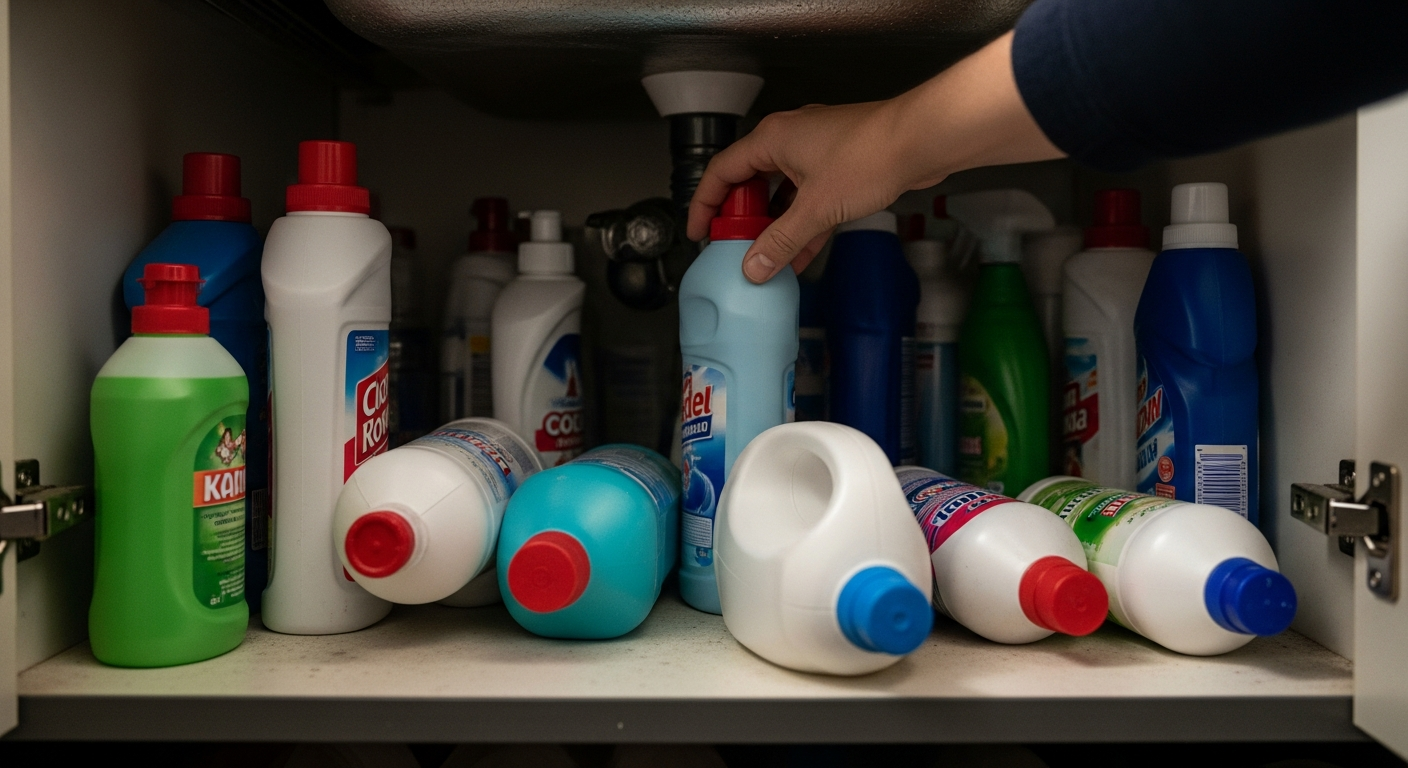
In homes across the world, cleaning products are silently doing their job — or at least, they should be. But surprisingly, a large number of households store these products incorrectly, significantly reducing their effectiveness. Chlorine-based cleaners, disinfectant sprays, bleach, and even multipurpose surface wipes can lose their power when exposed to the wrong temperature, direct sunlight, or moisture. The irony? These very products are being used in the name of hygiene and health, yet poor storage can mean they deliver subpar results — or worse, become dangerous.
Improper storage doesn’t just waste money by shortening shelf life — it can increase health risks, particularly in homes with pets, young children, or immunocompromised residents. The chemicals in common household cleaners are potent but volatile; many are designed to react quickly with grime, bacteria, and viruses. This sensitive molecular design also means that improper environmental conditions can break them down, leaving you with a bottle full of inert liquid. It’s a surprisingly easy but commonly overlooked issue, and one that modern households can remedy with just a little awareness and reorganization.
At a glance: Proper vs improper cleaning product storage
| Storage Element | Proper Practice | Improper Practice |
|---|---|---|
| Temperature | Room temperature (15–25°C) | Too hot (>30°C) or freezing conditions |
| Sunlight Exposure | Dark, shaded areas | On windowsills, near direct sunlight |
| Humidity | Dry environment | Stored in bathrooms or near steamy appliances |
| Container Security | Tightly sealed with original cap | Opened or repackaged in alternative bottles |
| Accessibility | Out of reach of children and pets | Low shelves or open under-sink cabinets |
Why temperature affects cleaner performance
Many cleaning agents rely on precise chemical configurations to cut through dirt, disinfect surfaces, or kill bacteria and viruses. Exposure to high temperatures can cause volatile compounds to evaporate or degrade. For instance, bleach begins to break down at temperatures above 25°C, reducing its efficacy. Conversely, freezing temperatures may cause certain liquids to separate or crystallize, leading to uneven distribution when used.
Storing cleaning solutions in garages, attics, or outdoor sheds might seem harmless, but these areas can reach extreme temperatures — particularly during summer or in colder winters. The result is a product that either doesn’t clean as it should or leaves behind chemical residues that can become irritants.
The underestimated dangers of sunlight and humidity
Sunlight might seem like the ultimate cleaner, but when it comes to bottled cleaning agents, it’s a silent killer. Many formulas — especially those that include hydrogen peroxide or essential oils — degrade when exposed to prolonged UV rays. Transparent or semi-transparent containers accelerate this risk because they fail to block out light thoroughly.
Humidity is another culprit. Products stored near dishwashers, in damp cabinets, or bathrooms face constant moisture exposure, which adds twofold danger: first, it can chemically degrade the solution; and second, it can compromise packaging integrity. Rusted aerosol cans or softened plastic containers can leak, triggering chemical reactions with other substances under your sink.
Repackaging is risky business
Transferring cleaning liquids into aesthetic or unmarked bottles for convenience or style may be trending, but it poses dangerous risks. Once transferred, expiration dates, caution symbols, and safety instruction labels are lost. Some mixtures, like bleach and ammonia, release toxic gases when they interact — something that might unknowingly happen if they are repackaged in similar-looking containers stored next to each other.
Even more worrisome, children and curious pets are more likely to mistake unlabelled bottles for water or flavored drinks, especially if the original child-proof caps are discarded. Safety, efficacy, and accountability are all diminished when cleaning agents are removed from their original containers.
What manufacturers recommend for optimal storage
Most cleaning product labels include specific storage instructions, often overlooked by consumers. There’s a reason for every recommendation. For instance, many disinfectant sprays require a tightly sealed cap and storage away from flames due to high alcohol content. Manufacturers test these under controlled humidity and light levels, so following their guidelines ensures optimal results.
Baseline storage recommendations include:
- Keep in a cool, dry, well-ventilated area
- Store away from food and drink items
- Never mix unknown chemicals, even in storage
- Ensure containers remain upright and are not corroding
How to set up a safe and effective storage system at home
Start by auditing your current cleaning supply zones. Look under your sink, in laundry rooms, on top of cabinets, or garages where these products may be stored. Check for signs of heat exposure, leaks, or faded labels. Next, allocate a dedicated cabinet or high shelf that is both cool and away from common humid zones like bathrooms or near stoves.
Install child locks if placing in accessible areas, and use organizing bins so products don’t tip or spill. Group like with like — disinfectants with disinfectants, bleaches with bleaches — but keep incompatible chemicals far apart. Add small silica gel packets to fight humidity or even install mini dehumidifiers for particularly moist areas.
What expired cleaners indicate and how to dispose of them
Many products don’t show visible signs when they lose potency. A bleach solution that has become largely water will still look the same, making visual testing unreliable. Watch for changes in scent, consistency, and effectiveness during use. If spray nozzles clog or solutions don’t perform, it’s likely time to discard the product safely.
Avoid pouring old cleaners down the drain, especially if they contain phosphates, ammonia, or chlorine compounds. These can damage pipes and release harmful chemicals into the water supply. Instead, check with local environmental agencies for hazardous waste collection events, or follow protocol for chemical waste disposal.
Who loses and who gains in the improper storage battle
| Winners | Losers |
|---|---|
| Informed households who store products correctly | Anyone unknowingly storing products in sunny laundry rooms or garages |
| Health-conscious families who retain full efficacy of disinfectants | Parents skipping label instructions or repackaging products |
| Budget-savvy consumers maximizing shelf life | Shoppers wasting money on degraded products |
Frequently asked questions about cleaning product storage
Can I store my cleaning products in the bathroom?
Ideally not. Bathrooms are high in humidity and can accelerate degradation of many cleaning agents. A dry, cool space like a hallway closet is better.
Is it okay to leave cleaning sprays near the window?
No. Direct sunlight can break down active ingredients and reduce the spray’s effectiveness over time.
Why do cleaning products expire if I never open them?
Many products have shelf lives dictated by their chemical stability, not just exposure. Even unopened, some compounds naturally degrade over time.
Are there dangers in mixing old cleaners with new ones?
Yes. Mixing old products — even if they seem similar — can cause chemical reactions, especially if you’re unaware of the ingredients.
What’s the safest way to dispose of expired cleaning products?
Use designated hazardous waste programs or drop-off events in your local area. Never pour them directly into drains or trash bins.
Can I label repackaged products to improve safety?
Labelling is helpful, but original containers are always safest because they contain critical safety and handling instructions.
Does storing products in high places help?
Yes, storing high reduces risks for children and pets but still ensure they are in cool and dry conditions away from heat sources.
What signs tell me a cleaning product is no longer effective?
Faded scent, separated liquid, clogged nozzles, or surfaces remaining dirty after cleaning all point to expired or degraded cleaning solutions.
“Consumers often overlook how much environmental storage conditions matter. Following simple storage guidelines can extend shelf life and ensure stronger cleaning performance.”
— Jenna Lake, Environmental Chemist