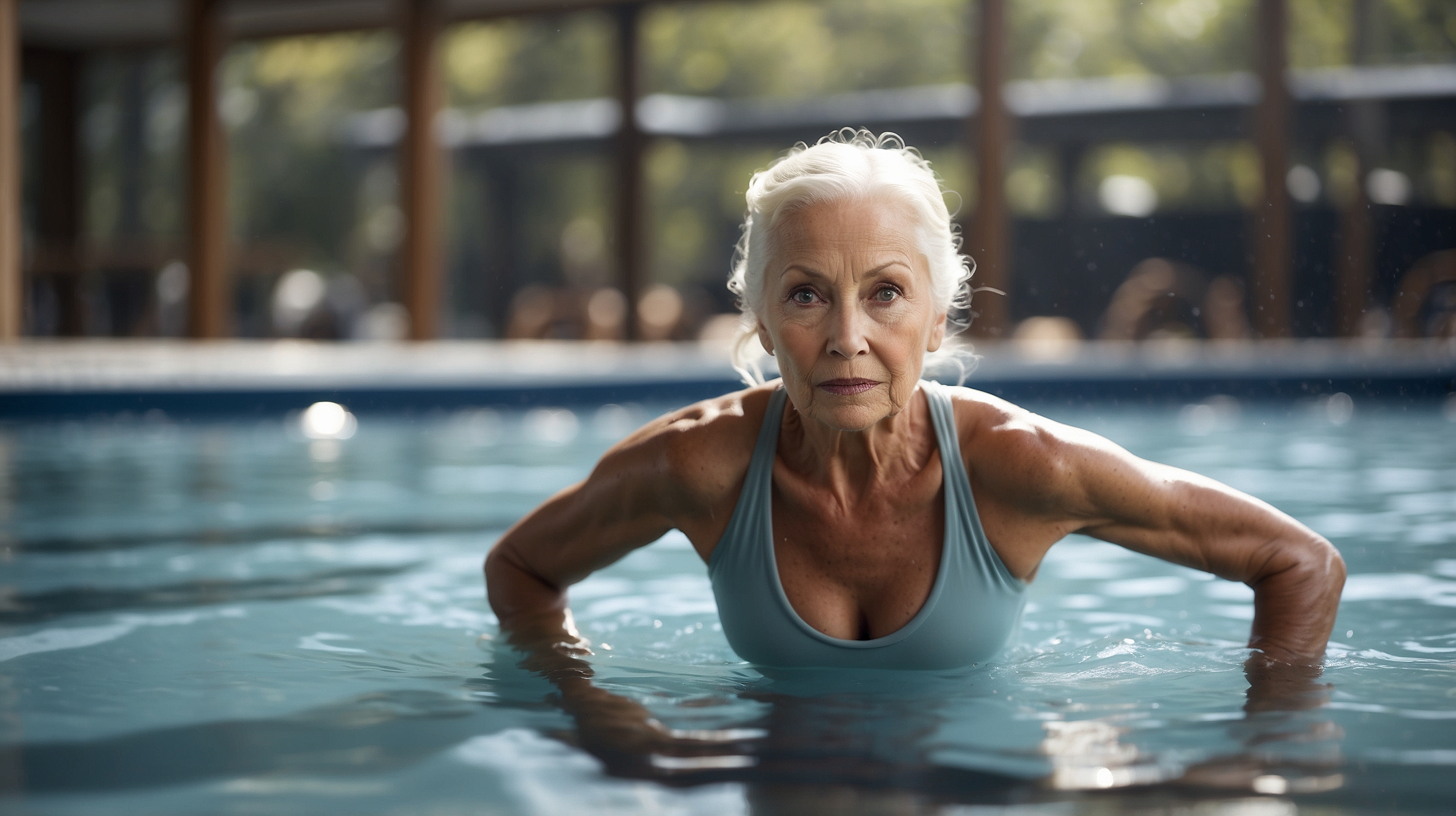
At age 68, Margaret Hayes had resigned herself to a slower pace of life. The retired schoolteacher from Durham found daily movement increasingly difficult due to chronic joint pain in her knees and hips. Swimming had become tiresome, and Pilates—despite its reputation for being gentle—was too focused on flexibility than strength recovery. “I just felt like my body had stopped collaborating,” she says. “Everything hurt, even the so-called low-impact options.”
That all changed when her doctor recommended a type of exercise she had never considered: Nordic walking. Within weeks, Margaret was out in the local park daily with her walking poles. “It was like I rediscovered independence—not just physically, but mentally too,” she says. “The difference was night and day.”
Thousands of seniors across the globe are arriving at the same conclusion. While swimming and Pilates have long been seen as the go-to exercises for older adults with joint issues, new research and growing anecdotal evidence point to a different solution offering surprising benefits: Nordic walking. Here’s what makes this activity the most promising option for individuals over 65 dealing with joint challenges.
Why Nordic walking is gaining recognition among seniors
| Aspect | Details |
|---|---|
| Recommended Age Group | 65 years and older |
| Targeted Benefits | Improved joint health, cardiovascular fitness, strength, mental well-being |
| Required Equipment | Nordic walking poles, supportive footwear |
| Intensity Level | Moderate, adjustable based on ability |
| Key Advantage | Combines cardio with reduced joint strain |
| Common Locations | Parks, trails, sidewalks |
How Nordic walking compares to traditional options
For decades, swimming and Pilates have been considered excellent options for aging adults. Swimming, being low-impact, is gentle on the joints, while Pilates builds core strength and balance. However, both have limitations. Swimming isn’t always accessible—particularly for individuals with mobility or transportation limitations. Pilates, while beneficial for flexibility, often lacks the cardiovascular or lower-body muscular engagement needed for joint stability and bone health.
Nordic walking fills that gap with a **full-body workout** that still goes easy on the joints. By using specially designed walking poles, individuals distribute their body weight across four points instead of two. This reduces pressure on the knees, hips, and feet. At the same time, Nordic walking involves coordinated arm and core engagement, activating up to 90% of the body’s muscles and boosting cardiovascular endurance.
What aging bodies need—and how Nordic walking delivers
As we age, **muscle mass declines**, coordination becomes more difficult, and joints may endure greater wear due to osteoarthritis or other conditions. Effective physical activity must therefore nurture strength, balance, heart health, and joint preservation—all without exacerbating pain.
Nordic walking shines in that context. Studies have shown it improves **gait stability**, reduces **perceived exertion**, and helps regulate blood pressure. Unlike other exercises that isolate certain muscle groups, it encourages whole-body fluid movement, which is crucial for proprioception and postural alignment.
Nordic walking activates muscles that conventional walking doesn’t touch. It improves stride length and symmetry, which is vital for fall prevention.
— Dr. Helga Schmidt, Geriatric Physiotherapist
Stories of improvement: outcomes from real-life participants
Margaret Hayes isn’t alone. Community health programs across Europe and North America are incorporating Nordic walking for seniors with exceptional results. Participants report improved mood, reduced knee and hip pain, and a renewed sense of independence. Some have even reduced their reliance on walking aids after a few months of training.
Within six weeks, I ditched my cane. I’d been to physiotherapy, tried water aerobics… but nothing clicked until I started Nordic walking.
— John R., 72, retired engineer
In group sessions especially, the activity becomes more than just physical therapy. It fosters social connections, encourages commitment, and gives participants a sense of achievement—critical elements in fighting senior depression and isolation.
What you need to get started with Nordic walking
Getting started is simple, but using the proper technique is crucial. While regular walking requires only a good pair of shoes, **Nordic walking has a short learning curve**. Here’s what you’ll need:
- Nordic walking poles: These are different from trekking poles—lighter, with wrist straps and angled tips for push-off power.
- Footwear: Supportive walking shoes with good traction.
- Instruction: Beginners are encouraged to take a short introductory class or watch guided videos to learn pole placement, stride length, and posture.
The activity is scalable to ability: some walk in parks, others explore gentle hiking trails. Most health experts recommend starting with 15-20 minutes, three times a week, gradually increasing as comfort allows.
Who can benefit the most and why it matters
Nordic walking is particularly helpful for:
- Adults over 65 with moderate joint stiffness or arthritis
- People recovering from knee or hip procedures
- Individuals looking to improve **bone density**, balance, or mood
- Those who find gym-based workouts either uncomfortable or uninspiring
Given its accessibility and safety, experts suggest Nordic walking could play a major role in reducing age-related mobility decline—potentially lowering the need for pain medications or surgical intervention.
Winners and losers among popular senior fitness options
| Activity | Pros | Cons |
|---|---|---|
| Swimming | Low-impact, aerobic, accessible for many | Requires access to a pool, non-weight-bearing so less bone benefit |
| Pilates | Core strength, balance, flexibility | Requires instruction, lacks aerobic element |
| Nordic Walking | Low joint strain, aerobic + strength, outdoors, social | Needs poles, proper technique |
| Stationary Cycling | Cardio benefit, joint-friendly | Indoor, less upper body use |
Safety considerations and medical alignment
Although Nordic walking is safe for most, a quick conversation with a healthcare provider is advisable before starting any new fitness regimen—especially for individuals with balance disorders or heart conditions. Once cleared, taking appropriate rest periods and easing into the movement rhythm can help maximize benefits while minimizing strain.
The key to reaping rewards safely lies in gradual progression. Nordic walking provides that graceful entry point which older individuals often need.
— Dr. Lea Montoya, Senior Wellness Specialist
Looking ahead: growing popularity and research support
With the increasing popularity among aging populations, Nordic walking is steadily being integrated into geriatric health curriculums and fitness classes. Some health insurers are even beginning to cover training under preventive care.
Ongoing research is also validating anecdotal evidence. Recent studies have linked the activity to improved quality of life, mobility, and sleep among older adults—results that may dramatically shift senior wellness programs over the next decade.
Frequently Asked Questions
What is Nordic walking exactly?
Nordic walking is a form of walking that uses specially designed poles to engage the upper body muscles, increase cardiovascular intensity, and reduce joint pressure.
Can I practice Nordic walking if I have arthritis?
Yes, in most cases it is ideal for those with arthritis due to its low-impact nature and joint-supportive movement. Always consult your doctor before beginning a new fitness program.
Do I need special training to start Nordic walking?
While formal classes are not mandatory, having an introductory session helps establish correct posture and pole technique to avoid injury and gain full benefits.
Is it better than regular walking for seniors?
Nordic walking activates more muscles and burns more calories than regular walking, while also being easier on the joints due to weight distribution from the poles.
Where can I buy Nordic poles?
Nordic walking poles are widely available at sporting goods stores and online. Make sure to choose a pair suited for your height with wrist straps and angled rubber tips.
How often should seniors do Nordic walking?
Start with 15–20 minutes, three times per week, and gradually increase frequency and duration. Listen to your body and rest when needed.
What clothes should I wear for Nordic walking?
Wear comfortable, breathable clothing appropriate for the weather, and supportive walking shoes with good traction.
Can Nordic walking help with mental health?
Yes, the combination of physical activity, outdoor exposure, and social engagement makes it beneficial for mood, stress reduction, and mental clarity.