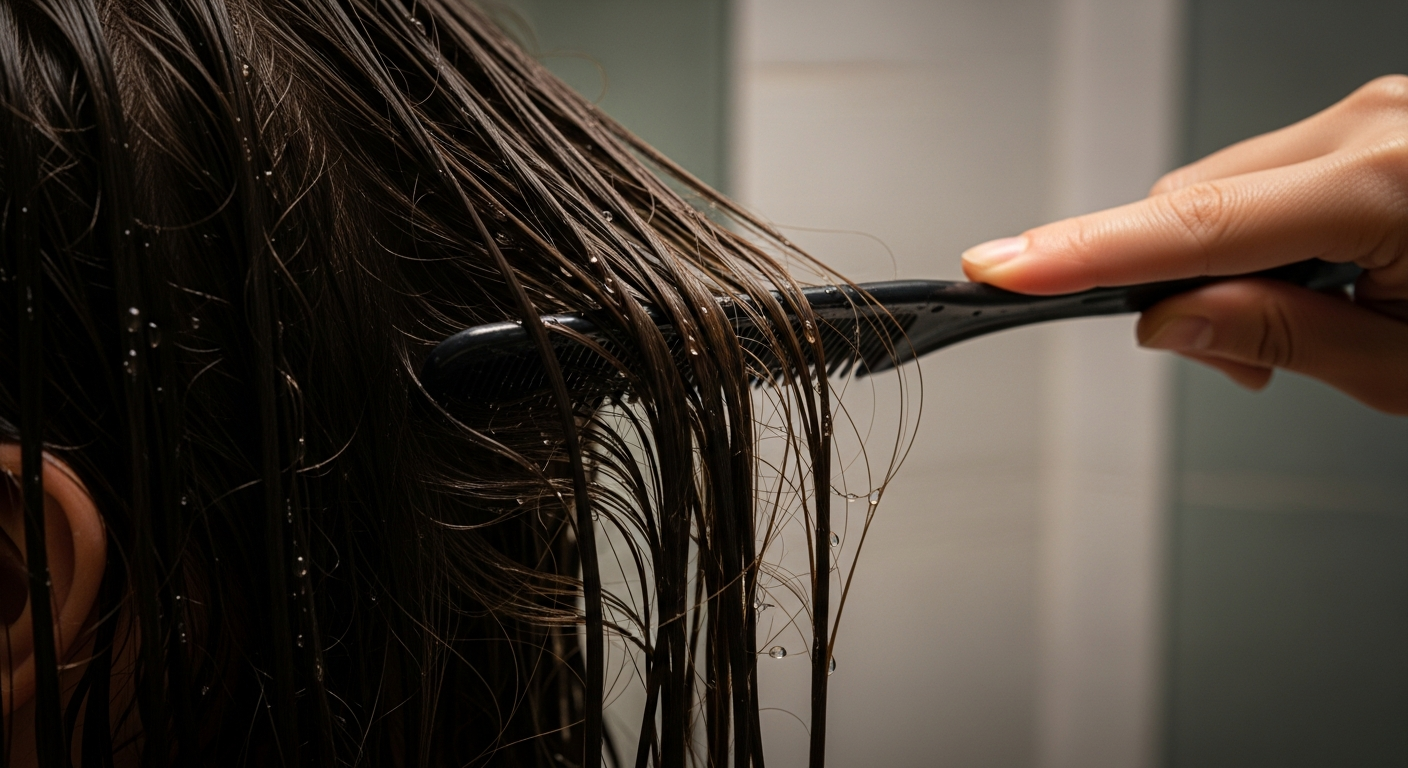
Every day, millions of people across the globe perform the basic routine of brushing their hair—some in a rush before heading out the door, others post-shower in the hopes of untangling their freshly washed locks. But what if this seemingly harmless habit is quietly damaging your hair, strand by strand? If you’ve been noticing excessive breakage or thinning over time, your brushing routine—especially immediately after washing—could be to blame.
It’s something almost everyone has done without a second thought: stepping out of the shower and reaching for that plastic comb or standard hairbrush to detangle wet strands. The smooth glide of teeth through soaked hair feels like the right thing to do, but science and experience are painting a different picture. Hair experts and dermatologists now caution against using traditional plastic combs on wet hair, citing a dramatic increase in long-term breakage, thinning, and irreversible damage as the outcome.
Surprisingly, your hair is at its weakest when it’s wet. The protective cuticle layer opens up when saturated, making each strand more susceptible to snapping. And the danger only escalates with the wrong tools. Let’s walk through why this common mistake might be silently sabotaging your hair health—and what you can do instead to stop the damage before it’s too late.
Why brushing wet hair can cause long-term damage
| Factor | Impact on Hair |
|---|---|
| Wet Hair Structure | Weakened, more elastic, prone to snapping |
| Plastic Combs and Brushes | Rigid teeth cause breakage and snagging |
| Frequency of Brushing | Increased stress on follicles, promoting thinning |
| Improper Technique | Pulling from roots creates long-term follicle stress |
| Static and Friction | Leads to frizz, split ends, and surface damage |
What makes wet hair so vulnerable
Hair strands are made of keratin proteins and protected by a cuticle layer composed of overlapping scales. When hair is wet, these scales lift slightly, making each strand more porous and fragile. The internal cortex soaks up water, causing the hair to swell. All of this leads to decreased tensile strength—wet strands can stretch up to 30% more than dry hair, but they’re also more likely to snap or fray when brushed wrong.
When traditional plastic combs are dragged through soggy hair, they often catch onto tangles instead of gently working through them. This introduces unnecessary mechanical stress, especially near the root or mid-lengths, leading to micro-tears along the cuticle. Small amounts of damage add up over time, creating chronic thinning and dullness.
Brushing wet hair with a rigid tool is like chiseling marble with a metal wrench—you’re fighting the material instead of working with it.
— Dr. Lila Meyers, Trichologist
Why plastic combs are part of the problem
Plastic combs may be the go-to for convenience and cost, but they are far from hair-friendly. Most are made with molded teeth that have microscopic seams and edges. When pressed against weakened wet hair, these miniature ridges tug and shred at the strand surface. Unlike wood or boar-bristle brushes, plastic combs build static electricity, which creates unwanted friction and frizz as well.
Plastic is also an inflexible material. Without any give, each stroke forces the hair to mold around it instead of flowing naturally. This stiffness creates harsh pulling, especially if you encounter knots, which dramatically increases the odds of snapping strands in half.
Better tools and the safe way to brush wet hair
If you’re determined to detangle wet hair—say, due to extreme curl patterns or time constraints—there are safer paths to follow. First and foremost, switch to tools designed for wet conditions. Wide-tooth combs made from sustainable wood or flexible silicone provide a much gentler experience. More importantly, these tools allow hair to move with the direction of force rather than against it.
Detangler brushes with flexible bristles and supportive cushion bases can also work well. These are engineered to glide over snags without pulling harshly. Always begin brushing from the tips and gradually work your way up to the roots, holding each section lightly to reduce tension at the scalp. Applying a leave-in conditioner or detangling spray beforehand significantly reduces friction and improves glide.
Shifting to a wood wide-tooth comb after showers reduced my shedding by at least 50%. It’s a small change with massive results.
— Jaya Kumar, Holistic Haircare Specialist
How daily routines create cumulative hair damage
Most people don’t damage their hair in one traumatic moment—it happens in slow, compounding layers. Brushing wet hair once might not break noticeable strands, but doing it 300 times over the course of a year? That’s where the fallout begins—literally. Daily brushing with improper tools wears away the protective cuticle layer, causing hair to lose its shine, softness, and strength.
Overbrushed wet hair also damages the follicles themselves. Repeated tugging at the root level strains the tiny organs responsible for growth, causing them to weaken and eventually shut down temporarily or even permanently if enough damage accumulates. That’s the reason so many individuals slowly notice thinning from the crown or temples without any clear underlying medical issue.
Expert-backed strategies to improve hair strength
Hair health isn’t just about what you avoid—it’s about what you actively incorporate. To protect your strands from unnecessary deterioration, the following habits are widely endorsed by trichologists and haircare professionals:
- Pat hair dry instead of rubbing with a towel—this minimizes friction
- Use microfiber towels to absorb water quickly with minimal abrasion
- Apply a nourishing leave-in conditioner rich in keratin or natural oils
- Switch to wood combs made with rounded tips and seamless edges
- Brush from tips to roots, never the opposite
- Air dry when possible to minimize exposure to heat and damage
Winners and losers: Who benefits most from changing hair habits
| Group | Benefit Level |
|---|---|
| People with curly or coily hair | High – Minimizes breakage and preserves curl structure |
| Individuals with thinning hair | High – Reduces stress on roots and promotes retention |
| Men and women with color-treated hair | Moderate – Prevents structural damage to dyed strands |
| Those using plastic brushes daily | Low – At risk until tools and habits are changed |
What you can do starting today
Small adjustments can make a major difference in the health and appearance of your hair. Consider replacing your plastic comb with a flexible, wide-tooth wooden option. Dedicate time to drying hair more gently, avoid brushing straight from the scalp down, and explore conditioning treatments that increase slip. Within a few weeks, users often report reduced shedding, shinier strands, and less frizz or flyaways.
Equally important is educating others—whether it’s your child, partner, or stylist—about the risks of brushing wet hair the wrong way. Hair health shouldn’t be treated passively; it’s an investment that pays visible dividends with the right techniques.
The key isn’t avoiding all brushing—it’s knowing when and how to do it. Tools matter more than people realize.
— Natalie Chen, Licensed Haircare Therapist
Frequently asked questions about brushing wet hair
Is it ever okay to brush wet hair?
Yes, but only with the right tools like wide-tooth wooden combs or detangling brushes, and preferably after applying a conditioning product to minimize friction.
Why is hair more fragile when it’s wet?
Wet hair has expanded cuticles, reduced elasticity, and a swollen internal cortex, making it much more susceptible to snapping and fraying when manipulated.
What kind of comb is safest for wet hair?
Wide-tooth combs made from seamless wood or silicone are ideal due to their flexibility and reduced friction compared to standard plastic combs.
Should you brush hair in the shower?
If absolutely necessary, use a detangler with conditioner applied already, and use fingers first before introducing any tools. Avoid tugging from the roots.
Does brushing wet hair cause hair loss?
While it doesn’t cause genetic hair loss, improper brushing can increase mechanical breakage and follicle strain, which contributes to thinning over time.
How often should I change my hairbrush or comb?
Inspect your tools regularly. Replace combs when teeth are bent, cracked, or showing visible wear. Brushes should be replaced every 6–12 months, depending on use.
Can I use a blow dryer after brushing wet hair?
Yes, but use a heat protectant and never apply high heat to hair that’s saturated with water. Ideally, towel dry partially before brushing and blow drying.
Are expensive brushes really worth it?
Higher quality tools often feature better materials, rounded tooth designs, and flexibility—all of which help protect your strands better in the long run.