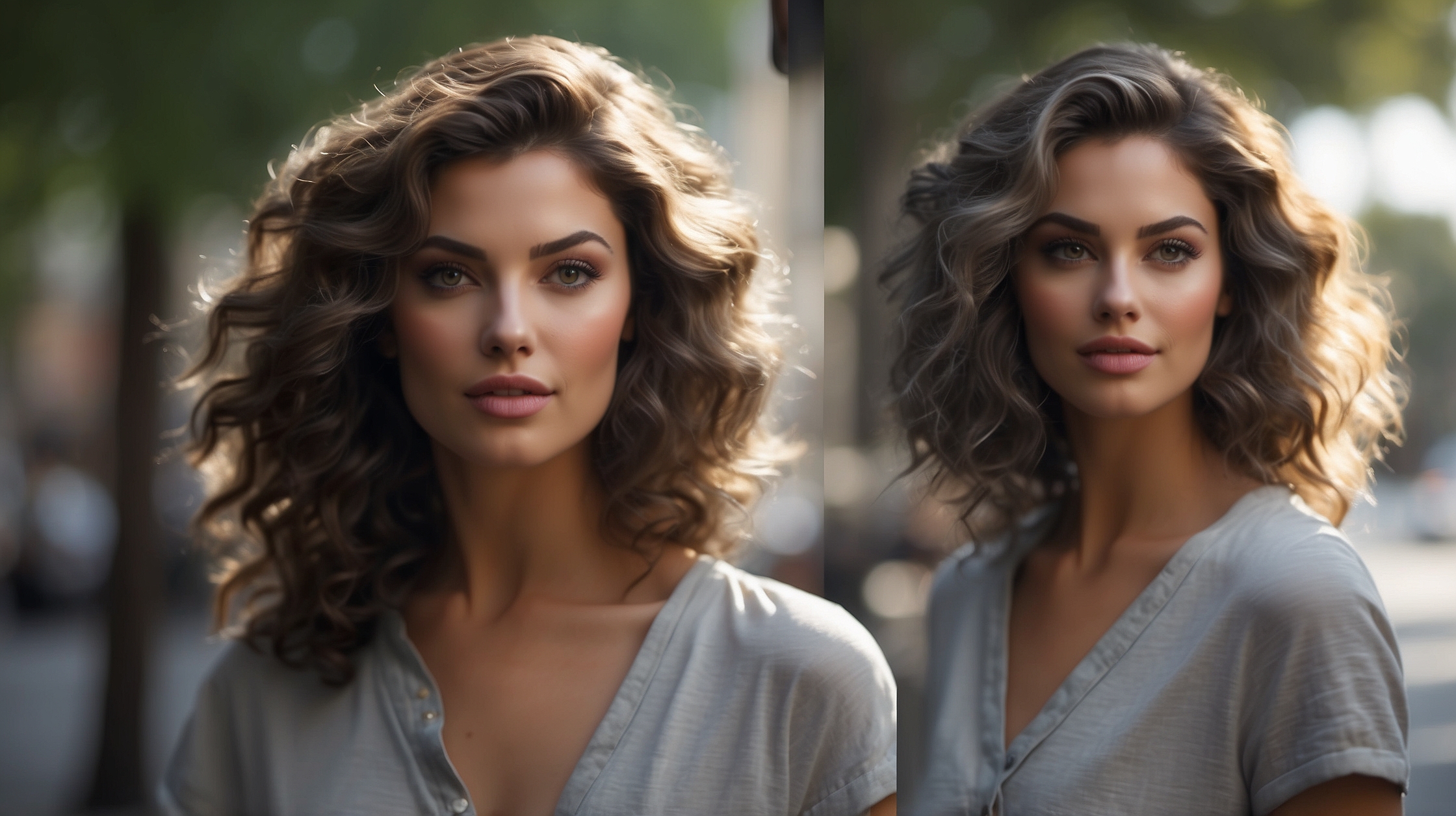
When Cindy Ferris turned 52, she stood in front of her mirror staring at the buckets of dark dye she had religiously applied to her hair every three weeks for over a decade. Despite her attempts to conceal her gray strands, she found herself feeling more tired—not just physically, but emotionally—from the endless cycle. Then a casual conversation with her stylist introduced her to a growing movement called “grey blending.” Within six months, Cindy’s entire look had transformed—not just her hair, but her confidence too. “I stopped dyeing—and started living,” she recalls with a smile.
This surprising transformation is not just anecdotal. Today, a new tide is turning in the world of haircare, one that celebrates aging rather than hiding it. The technique of grey blending is gaining momentum among women who are seeking authenticity over artifice, and surprisingly, youthfulness over concealment. The idea? Instead of coloring all your hair dark to mask grays, you strategically blend them in, using a spectrum of tones to create softness, volume, and texture—effectively rejuvenating your entire face.
What was once considered a beauty concession is now heralded as an empowered styling choice. Grey blending is not just a hair trend—it’s a societal statement, a redefinition of what it means to age beautifully and truthfully. But what is grey blending exactly, and why is it shaking up conventional beauty standards?
Understanding the new wave in hair color trends
| Feature | Details |
|---|---|
| Trend Name | Grey Blending |
| Main Audience | Women 40+, transitioning from dyed to natural hair |
| Technique | Strategically mixing lowlights, highlights, toners with natural grays |
| Benefits | Natural look, youthful softness, less maintenance |
| Compared to Traditional Dyeing | More dimensional, lower contrast, gentler on facial features |
| Popular With | Modern professionals, celebrities, authentic lifestyle advocates |
What changed this year in the perception of gray hair
Gone are the days when gray hair symbolized surrender or aging in defeat. Thanks to increased visibility from influencers, actresses, and fashion-forward professionals, grey is now chic, elegant, and—most surprisingly—youth-preserving. The pandemic sparked a wave of at-home realism, where salon visits slowed and natural roots gained both exposure and acceptance. This seismic shift gave gray strands permission to be seen and valued.
Today’s consumers are looking for authenticity and sustainable beauty choices. Rather than resisting change, many are embracing the beauty of evolution. And nothing embodies this mindset more than grey blending—a technique that doesn’t just highlight hair but humanizes aging itself.
“Gray blending is not about going gray, it’s about going gorgeous—with grace.”
— Mei Lin Carter, Celebrity Colorist
Who qualifies for grey blending and why it matters
Grey blending is most effective for people who have started to see consistent gray hair growth but still maintain a decent pigment base in their own hair. This typically includes women between ages 40 and 60, particularly those tired of full-coverage dark dye that looks harsh against matured skin tones.
The reason it matters? Traditional all-over dark dyes can actually age your appearance. They create a stark contrast between skin and hair, emphasizing wrinkles and flattening facial brightness. Grey blending, on the other hand, works like a soft-focus filter—using tonal variation to soften the face, add dimension, and make you look refreshed rather than covered up.
“We see clients shave off 5-10 years from their appearance with the right blend. That’s how powerful tone and contrast are.”— Jamie Delacroix, Hair Transition Specialist
How the grey blending technique actually works
Grey blending involves incorporating a harmonious mix of highlights, lowlights, and toners that match your existing hair and gray strands. Instead of using one flat color, colorists apply dimension with balayage or foil techniques, targeting areas where gray is most present to create a naturally melded tone range.
The goal is subtlety. You want the outcome to look like effortless salt-and-pepper sophistication rather than patchy, inconsistent regrowth. Over time, the blend reduces the need for constant recoloring and grows out gracefully—no harsh lines, no monthly panic visits to the salon.
Depending on your base color, the blend may include smoky blondes, silvers, soft browns, and even steel blues. Every strand becomes an extension of your personality rather than a cover-up of your age.
Benefits beyond the mirror
While looking younger is a benefit, the true reward of grey blending lies in its emotional and lifestyle return. For many women, rejecting permanent hair dye for a more natural blend feels like reclaiming control over their aging process and beauty narrative. It also reduces the time, money, and chemicals associated with conventional hair coloring.
Over time, consistent application of grey blending can improve hair texture. Your strands are no longer constantly subjected to harsh dyes or strong chemicals. Instead, the focus is on nourishment, balance, and elegance.
| Winners | Losers |
|---|---|
| Women seeking low-maintenance beauty | Box dye manufacturers |
| Gray-proud professionals and creators | Outdated beauty ideals |
| Small salons promoting modern services | Full-cover dark dye-only chains |
How to get started with grey blending
The first step in transitioning to grey blending is to consult a skilled colorist who specializes in modern low-contrast techniques. It’s important not to try blending at home with box dye—you risk creating even more contrast or uneven patches.
Here’s a general step-by-step:
- Have a consultation with a stylist to analyze your natural gray growth, base tone, and hair goals.
- Start adding gradual highlights or lowlights concentrated in gray-dense areas to sync tones together.
- Use toning glosses or semi-permanent shades to mute unnecessary warmth or brassiness.
- Adopt a maintenance schedule every 8–12 weeks to refresh the blend, not cover it up.
Over time, as your gray increases, the highlight frequency decreases, and the hair transitions into a lived-in, low-maintenance masterpiece.
Products and lifestyle tips to enhance your grey blend
To maintain those soft tones, use purple shampoos or silver-enhancing drops that neutralize yellow tint. Avoiding heat styling tools and using smoothing serums with keratin or argan oil can help keep your strands shiny and healthy.
Additionally, wearing colors like navy, charcoal, or soft pastels can elevate the contrast between your blended strands and wardrobe—drawing attention to both your hair and your radiance.
Grey blending isn’t just a look. It’s a philosophy—a blend of past, present, and personality all layered into each strand. And for countless women, it might just be your most beautiful chapter yet.
Frequently Asked Questions
What is grey blending?
Grey blending is a hair coloring technique that uses highlights, lowlights, and toners to softly integrate gray hairs with your natural tones, creating a youthful, dimensional look.
Can grey blending make you look younger?
Yes. By using tonal variation rather than stark coverage, grey blending softens facial features and adds vibrance, reducing the aging effect of one-dimensional dark dyes.
How long does grey blending last?
Depending on your hair type and chosen technique, grey blending can last 8–12 weeks before needing a touch-up, compared to every 3 weeks for full dye jobs.
Is grey blending damaging to hair?
It’s generally less damaging than regular all-over dyes since it relies more on gentle foiling and toning rather than full chemical saturation.
Can I do grey blending at home?
No. Grey blending is a precision-placed color technique that should be handled by a skilled professional to avoid patchiness and mismatched tones.
Will the gray still show?
The gray is intentionally softened and blended, not covered. You will still see your natural gray, but in a flattering, textured way.
Is grey blending expensive?
The initial session can be pricier due to time and expertise required, but it usually saves money over time thanks to reduced maintenance appointments.
What hair types are best for grey blending?
Hair with at least 30–40% grey that’s started to spread evenly tends to blend best, but custom approaches can be created for most types and textures.