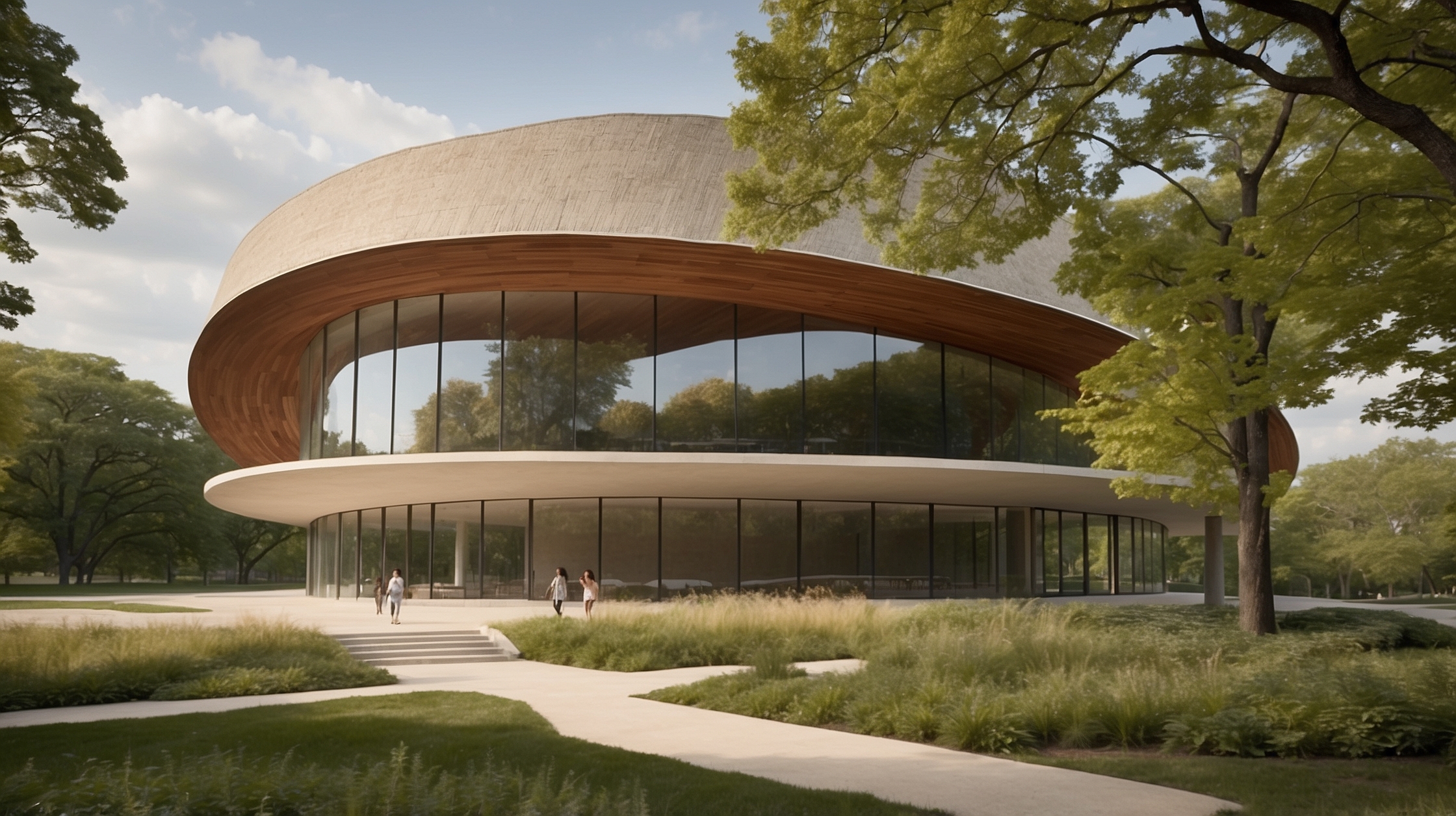
On the serene shores of Lake Michigan, where the city of Chicago meets expansive parkland, a new chapter is quietly unfolding. The much-anticipated completion of the Obama Presidential Center has reignited interest in nearby historic spaces — particularly one long-overlooked gem nestled within Jackson Park. With construction momentum building and excitement brewing over what promises to be a major cultural landmark, the ripple effects go deeper than the presidential library itself.
One such ripple resonates profoundly at the venerable Women’s Garden Pavilion, a once-vibrant lakefront structure that had, until recently, faded into near obscurity. Overshadowed by decades of urban development and shifting civic priorities, the pavilion had become an afterthought — its potential lost amid rusted fences and closed gates. But now, with the Obama Center drawing national and local focus, an effort to restore and revive the structure is finally gaining traction.
Community members and urban planners see this moment as a turning point. The rediscovery of the pavilion is prompting questions about heritage, equity in public space, and the future of inclusive park design. As debates swirl and developments unfold, one thing is clear: the Obama Presidential Center may be putting Jackson Park in the spotlight, but the Women’s Pavilion is stepping into its long-delayed moment of recognition.
Overview of the Obama Center’s Local Impact
| Location | Jackson Park, Chicago, Illinois |
| Main Attraction | Obama Presidential Center (Library, Museum, Plaza) |
| Construction Timeline | Completion expected in 2025 |
| Revived Landmark | Women’s Garden Pavilion |
| Recent Update | Calls for restoration gaining momentum with public support |
| Involved Groups | City of Chicago, Obama Foundation, community advocates |
What changed this year
The driving force behind renewed attention to the Women’s Pavilion appears to be the significant progress in the Obama Presidential Center’s construction. As crews move closer to the finish line in transforming Jackson Park into a world-class destination, urban planners, environmentalists, and residents have begun to reevaluate how surrounding park facilities are integrated into the future vision.
The Women’s Garden Pavilion, originally built in the late 20th century as a space for reflection and community gathering, had deteriorated over time. Padlocked and surrounded by overgrowth and fencing, it remained largely inaccessible. But in 2023 and early 2024, advocates began pressing the city to reopen and renovate the pavilion, citing its historic and symbolic importance.
Suddenly, a once-forgotten lakefront spot is now being seen as a critical piece of the cultural and recreational fabric forming around the Obama Center. With architectural interest, community engagement, and municipal funding aligning, things are finally beginning to shift.
Why the Women’s Pavilion matters
More than just a structure, the Women’s Pavilion holds cultural and architectural significance. Designed to celebrate women’s contributions to society, it was part of the broader landscape improvements under the last major revitalization of Jackson Park. However, its closure and neglect reflect deeper community concerns over how public lands are maintained and who gets a seat at the table in shaping their future.
Restoring the pavilion would not only return a beautiful space to public use — it would also serve as a powerful symbol of community reclamation. The move is about restoring access, honoring legacies, and ensuring that park development is holistic and equitable.
Parks are not just green spaces. They are places of memory, culture, and justice. Reviving the Women’s Pavilion is part of a commitment to tell the full story of our communities.
— Lisa Thompson, Urban Placemaking Advocate
The role of community voices
Local organizers, historical preservationists, and women leaders have been instrumental in driving the conversation about the Women’s Pavilion. For years, groups raised concerns about the structure’s neglect, fearful that a new wave of development might overlook recentering historically marginalized voices.
The Obama Presidential Center’s mission of inclusion and its prominent position in a historically Black neighborhood have only heightened these demands. Residents are not simply asking for development — they’re asking for intentional, inclusive design that reflects the legacy of the South Side and ensures everyone benefits.
Recent months have seen calls for the city to conduct public hearings on the future of the site and include community groups in restoration plans. These efforts are fundamental to turning this forgotten structure into a living tribute to Chicago’s diverse civic legacy.
Winners and losers in park development plans
| Winners | Losers |
|---|---|
| Local historical advocates | Preservation budgets under strain |
| Community groups pushing for equity | Park spaces previously prioritized for limited use |
| Tourism economy in South Side Chicago | Neighbors worried about gentrification |
Future plans for restoration
Initial reports suggest that a restoration proposal is being drafted with the input of city officials, landscape architects, and community planners. The Obama Foundation — though not directly tied to the pavilion — has voiced support for broader improvements in the park that foster inclusivity and honor historic elements.
Possible plans include reopening the pavilion for events, improving accessibility infrastructure, and integrating interpretive signage that tells the story of its origins. Lighting, landscaping, and programming could transform the space into a vibrant center for gatherings and reflection, especially for women’s events and neighborhood celebrations.
Every square foot of restored green space represents an opportunity for healing, remembrance, and new beginnings.
— Maria Jenkins, Community Organizer
How the Obama Center is reshaping Jackson Park
Aside from the pavilion, the Obama Center is initiating broader changes throughout the park. Lakefront access roads are being rerouted, pedestrian and bike paths expanded, and new pocket parks introduced into the redesign. Together, these updates aim to redefine what it means to engage with public land on the South Side — resulting in unprecedented investment and visibility for the area.
Through these changes, the historical and cultural narrative of Jackson Park is evolving — from a forgotten corner of the city to a vital hub of educational tourism and civic pride. The Women’s Pavilion is poised to reclaim its spot in that story, enriching the dialogue and inviting new generations to connect with Chicago’s diverse, storied past.
What restoration could symbolize for Chicago
The revival of the Women’s Garden Pavilion stands as more than just a physical renewal. It emerges as a microcosm for the kinds of questions American cities are increasingly being forced to confront: Who owns public space? Whose histories do we elevate? And how do urban landscapes reflect — or obscure — the people who shaped them?
In embracing the pavilion’s past while giving it new relevance, Chicago may be setting a precedent for other cities — showing that honoring history and pushing progress can happen in tandem. This quiet but powerful transformation offers a case study in inclusive development and urban memory.
We have a duty to preserve spaces that foster dignity, unity, and communal imagination. The Women’s Pavilion deserves that future.
— Celeste Robinson, Historian and Cultural Scholar
Frequently Asked Questions
What is the Obama Presidential Center?
The Obama Presidential Center is a civic campus under construction in Jackson Park, Chicago. It will include a museum, library, plaza, and programming spaces aimed at community engagement and history education.
Where is the Women’s Garden Pavilion located?
The Women’s Garden Pavilion is situated on Chicago’s lakefront, within Jackson Park, not far from the Obama Center construction site.
Why has the pavilion been closed?
The pavilion had been closed due to deterioration, safety concerns, and lack of maintenance funding. It remained largely unused until recent advocacy efforts highlighted its importance.
Is the Obama Foundation restoring the pavilion?
While the Obama Foundation is not directly restoring the pavilion, its influence and the renewed attention to Jackson Park have helped spotlight restoration efforts by other stakeholders.
When could restoration work begin?
While no official date has been announced, community advocates are pushing for restoration to align with the Obama Center’s opening, expected by 2025.
Can the public access the Women’s Pavilion now?
As of early 2024, the pavilion remains fenced off, but local pressure is mounting to reopen it for community use and public events following restoration.