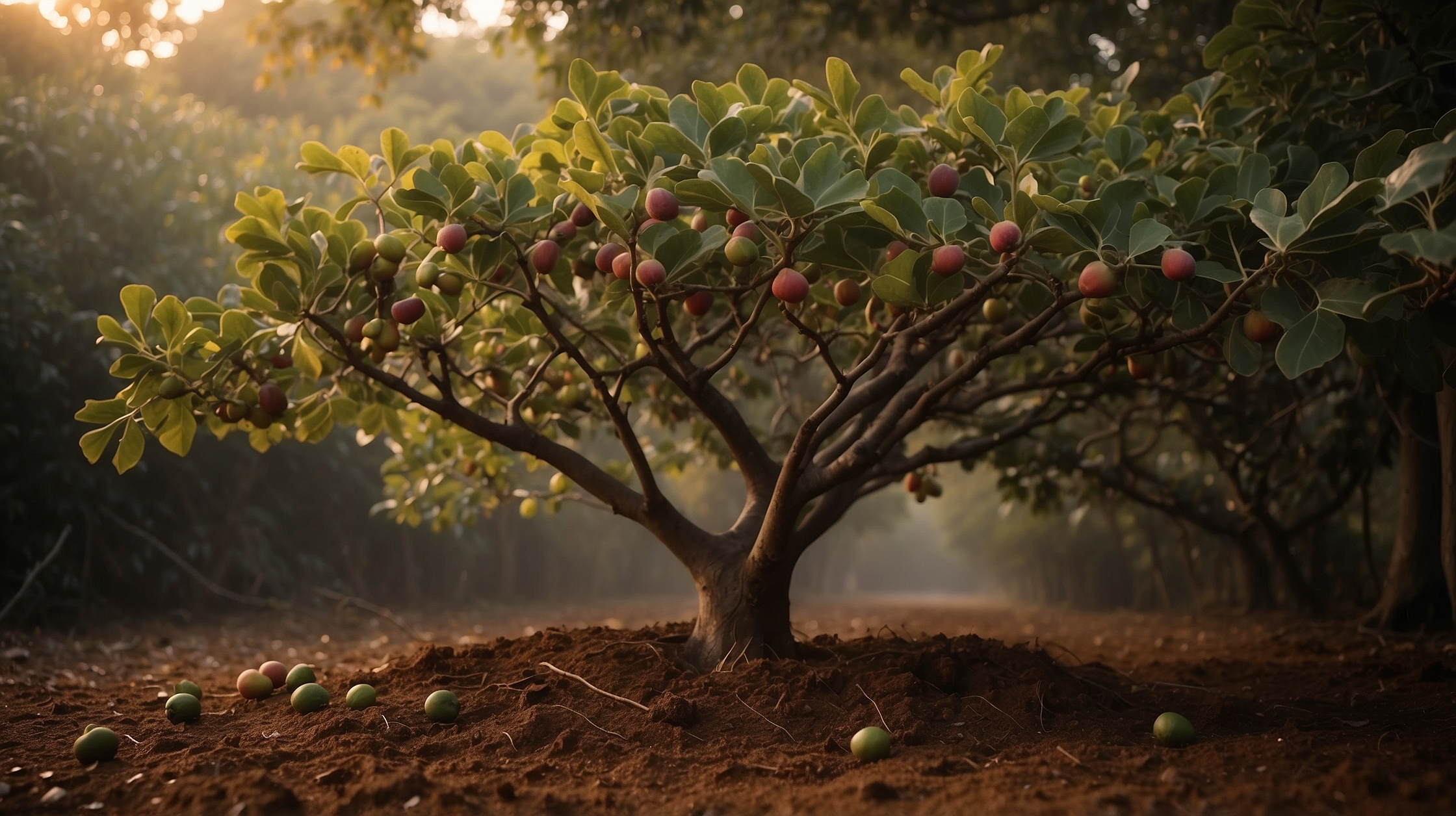
In the crisp, cool breath of October, when the garden begins to slow down in anticipation of winter, a quiet opportunity emerges. It’s not the usual planting season, nor is it time for harvesting luscious summer fruits. But for fig tree lovers and gardening enthusiasts, October offers something uniquely special — the perfect time to take fig tree cuttings. As trees ease into dormancy and growth winds down, the timing couldn’t be better for this age-old propagation technique.
Many gardeners overlook the autumn months as a viable window for plant propagation. But by turning your attention to fig trees during this quieter season, you’re actually aligning with one of nature’s best-kept secrets. Figs, known for their sweet fruit and hardy growth, are surprisingly forgiving and easy to propagate from simple cuttings if done at just the right time — and that time, according to experts, is now.
Whether you’re a backyard gardener experimenting with your first cutting, or a seasoned horticulturist with syringes of root hormone on standby, understanding the nuances of why October is ideal can make all the difference. Propagating your own fig tree not only connects you to a centuries-old tradition but also creates a stronger, more personal bond with your garden. Let’s explore how and why this seasonal window matters — and how you can do it right.
Why October is ideal for taking fig tree cuttings
| Aspect | Details |
|---|---|
| Best Time | October |
| Tree Condition | Beginning dormancy; less stress on cuttings |
| Success Rate | Higher due to cooler temperatures and lower transpiration |
| Required Tools | Sharp pruners, rooting hormone, pots, moist soil |
| Processing Time | Roots develop over winter, ready for transplant in spring |
What makes fig trees perfect for propagation
Fig trees are notoriously easy to propagate compared to many other fruit trees. They don’t require grafting or complex layering methods — a simple hardwood cutting can produce a robust, fruit-producing tree within a couple of years. This natural resilience and adaptability make figs a favorite among gardeners who prefer organic methods or want to multiply a particularly productive or tasty variety.
The tree’s ability to root from hardwood cuttings is what fundamentally sets it apart. In fall, when deciduous trees shed their leaves and energy concentrates in the roots, cuttings taken during this time are less susceptible to dehydration and have a better chance of surviving winter dormancy.
Figs are unique because they root so easily. Even without high-tech setups, a simple stick in soil can become a fruit-bearing tree in two seasons.
— Dr. Elaine Harris, Horticulturalist and Fruit Tree Specialist
Choosing the right branches for cuttings
Not every branch is fit for propagation. To ensure healthy growth, it’s essential to choose wood that is:
- At least the thickness of a pencil
- One year old (new growth won’t root effectively)
- Free from pests, diseases, or mold
- About 6 to 10 inches in length, with at least 3–4 leaf nodes visible
Make clean cuts with sterilized pruners and label your cuttings if you’re working with multiple fig varieties. This helps prevent mix-ups and ensures that each type gets the care it needs.
How to root fig cuttings the right way
The hard part is over once you’ve selected the appropriate branch. Rooting your fig cutting involves a few straightforward steps that can be done in your garage, shed, or even indoors.
Step-by-step rooting method
- Dip the cut end into a rooting hormone to stimulate growth.
- Insert the stem into a pot filled with moist but well-draining soil (like a mix of peat moss and perlite).
- Place the pot in a cool, dark area for 2-4 weeks — basements work great.
- Check weekly. Spritz with water as needed to keep the medium moist, not soggy.
- By early spring, transfer the cutting to a sunny window or greenhouse once you see root activity.
Some gardeners prefer to wrap their cuttings in plastic bags or use propagation tubes, but the low-key method of soil and patience works just as well.
The biggest mistake beginners make is overwatering. The cutting needs moisture, yes, but not standing water. That will cause rot.
— Jorge Minami, Urban Agriculturist
Care and transplant tips through winter and beyond
Cuttings are particularly vulnerable during the dormant season. Once roots begin to form (typically after 6–8 weeks), the new plants should be handled with care. Gradually introduce light and slightly warmer temperatures — but avoid direct sun or intense heat until well into spring.
By March or April, depending on your climate, your new fig trees will likely be ready for transplant. At this stage:
- Harden them off over 7–10 days by moving them outdoors for a few hours each day
- Ensure temperatures stay consistently above 50°F before planting into the ground
- Add a layer of mulch to stabilize moisture and temperature in the soil
Benefits of propagating your own fig trees
Beyond saving money, propagating fig trees from cuttings gives you control over genetic selection. You get to continue a tree’s lineage, replicate its fruit quality, and create plants adapted to your local climate. Many gardeners even enjoy gifting rooted cuttings to friends or neighbors — adding a legacy element to their gardening practice.
There’s something deeply rewarding about growing a fig tree from a branch you cut yourself. It’s like nurturing a life from your own hands.
— Annette Collier, Backyard Gardener and Garden Club Host
Common mistakes to avoid when taking fig cuttings
Even though figs are forgiving, there are still a few critical errors to avoid:
- Using green or softwood cuttings instead of dormant hardwood
- Skipping rooting hormone in colder climates
- Overexposing cuttings to light before roots form
- Letting soil dry out completely or become flooded
- Not labeling varieties — especially when cloning multiple trees
Winners and losers when propagating in October
| Winners | Losers |
|---|---|
| Dormant fig varieties | Softwood or tropical fig types |
| Gardeners in temperate climates | Fig trees in active fruiting phase |
Frequently asked questions about fig tree cuttings
Can I take fig cuttings in spring instead of fall?
Yes, but fall provides a higher success rate due to natural dormancy. Spring cuttings may require more careful monitoring as they wake up from dormancy.
Do I need to use rooting hormone?
While not absolutely necessary, rooting hormone significantly improves your chances of successful, faster root development—especially in colder climates.
How long does it take fig cuttings to root?
Generally between 6 and 12 weeks, depending on temperature and humidity levels.
Should I fertilize the cuttings?
No. Avoid fertilizers until you see new leaf growth and strong root systems, which typically take a few months to establish.
Why are my cuttings rotting?
Overwatering is the most common reason. Use well-draining soil and keep humidity high but not the soil overly wet.
Can I leave cuttings outside during winter?
Only in mild winter climates. In colder zones, it’s better to keep them indoors or in a protected unheated greenhouse.
How do I know if my fig cutting is still alive?
Scratch the bark gently with your fingernail. If you see green beneath, the branch is still alive and potentially viable.
When can I expect my first fruits?
Most fig trees propagated from cuttings will begin fruiting within 2–3 years if well cared for.