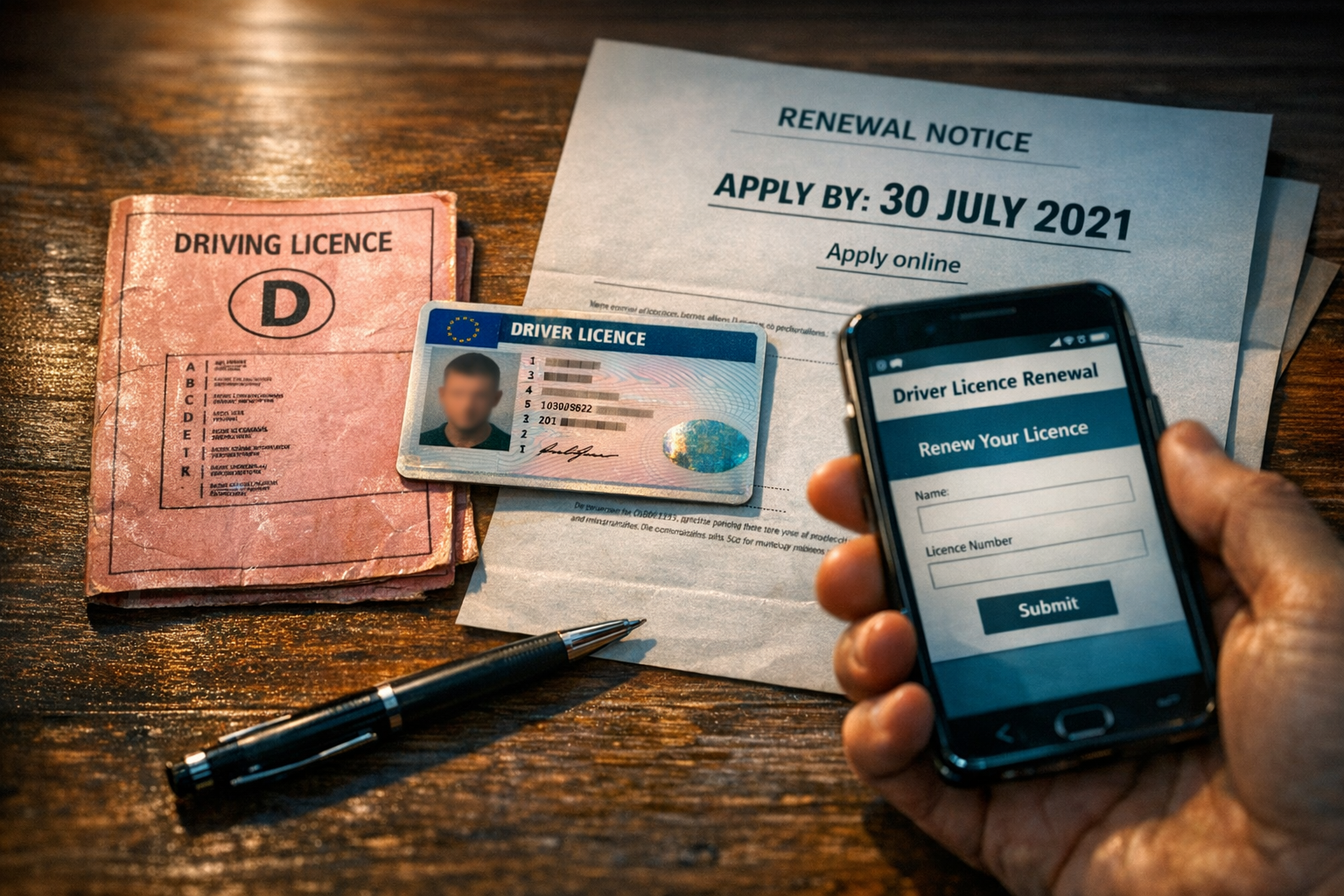
It’s a familiar sight at the bottom of glove boxes and tucked inside well-worn wallets: the iconic pink UK paper driving licences that have been around for decades. These vintage-style documents, issued until 1998, might stir up nostalgia. But for many motorists still holding onto them, they are about to become more than just outdated — they may soon become completely unusable. If you’ve neglected this dusty piece of documentation for years, it’s finally time to dig it out and pay attention to some important changes that will affect millions of drivers across the UK.
As the DVLA rolls out provisions to modernise driving credentials and weed out expired information, these old pink paper licences are in the crosshairs. With thousands of them still in circulation, the clock is ticking. If you’re holding one — or you know someone who is — the next few months could come with hefty implications, including potential fines. The change marks a bigger national shift toward digital documentation and improved record-keeping.
Understanding the challenge and urgency around this transformation is crucial, especially since many motorists may be unaware that their licence is considered invalid in many instances. In this guide, we break down what’s changing, who’s affected, and how to make a smooth transition to the modern photocard licence before it’s too late.
Overview: What to know about the pink paper licence replacement
| Topic | Details |
|---|---|
| Reason for Change | Outdated information, modernisation efforts by DVLA |
| Who’s Affected | Anyone still using a paper licence issued before 1998 |
| Deadline | No final deadline, but replacement urged especially if details have changed |
| Cost to Replace | £20 (as of current DVLA fee structure) |
| Document Required | Valid UK passport, proof of address, NI number |
| Penalties | Up to £1,000 fine for out-of-date licences |
What changed this year
The UK government and the Driver and Vehicle Licensing Agency (DVLA) are actively phasing out old-style pink paper driving licences as part of broader efforts to digitise driver records. Though these licences remain technically valid until a person’s 70th birthday — or until changes are required — they do not reflect modern security features or design consistency.
Beginning this year, the push to switch over has taken a more serious tone. The DVLA has issued a reminder that those licences may land drivers in hot water if they don’t reflect current addresses, names, or if they become damaged. Digital licence records now dominate the database, and paper formats are viewed as both inefficient and potentially unreliable.
“Moving to the photocard system is about more than just appearances — it ensures everyone is using the most updated and secure form of identification available for UK drivers.”
— DVLA Spokesperson (Name pending)
Who qualifies and why it matters
If your driving licence was issued before 1998, there’s a good chance you’re still holding a pink paper version. Over four million drivers are estimated to still use these licences. While they were perfectly functional in their time, the lack of a photograph and digital verification makes them problematic in today’s increasingly tech-driven environment.
If your information has changed since the issuance — such as a new address, a different name due to marriage or divorce, or even changes in medical conditions — you are legally required to update your licence. Failure to do so can result in fines of up to £1,000 and may render your insurance invalid in certain situations.
This shift also makes travel and international licence validation smoother. Modern photocard licences are widely accepted across Europe and beyond, while paper licences often require supplemental ID or are refused by hire car services and border officials.
How to apply step-by-step
Replacing your pink paper licence is a relatively straightforward process. Here’s a step-by-step guide to ensure you do it correctly:
- Go to the official DVLA service platform (do not rely on third-party sites).
- Have the following documents ready: a valid UK passport, proof of address (bank statement or utility bill), and your National Insurance number.
- Pay the fee of £20 (subject to change).
- Submit a passport-style photo if required (usually if not automatically fetched via GOV.UK Verify).
- Await the updated photocard licence, which typically arrives within one week.
Alternatively, you can apply by post using a D1 form, available at most post offices. This method may take longer but is useful for those uncomfortable with online services.
“Our goal is to ensure every driver has an up-to-date, secure licence with minimal hassle — it’s a matter of safety, identity, and legal compliance.”
— Emma Harding, Transportation Policy Analyst
Why your insurance might be affected
One major factor many don’t consider is how an outdated licence can impact car insurance. Inaccurate information on your licence, especially concerning your address, can void a car insurance policy in the eyes of the insurer. This matters particularly for those involved in accidents, where insurers often examine your licence as part of claim validation.
An invalid driving licence may classify a driver as “unlicensed” under some insurance clauses, and this can lead to denied claims and devastating legal consequences.
Who stands to gain or lose from the changes
| Winners | Losers |
|---|---|
| Drivers who proactively update and ensure compliance | Motorists who neglect to update old or inaccurate paper licences |
| Insurers seeking more accurate documentation | People unaware of their licence status risking fines or rejected claims |
| Law enforcement and traffic authorities with up-to-date ID verification | Those living abroad who rely on outdated paper licences for ID |
Common myths about paper licences
Many paper licence holders believe their licence is valid for life. This is only partially true. Paper licences issued before 1998 remain valid until age 70, but only if the information remains current. Any change of name, address, or eligibility (such as for medical reasons) invalidates the standing licence until it is updated.
Another myth is that the photocard version is somehow optional. In reality, paper licences are now considered deprecated, and the modern photo ID version is the standard for driving, especially for travel, car hire, and third-party verification.
FAQs about replacing your UK paper driving licence
Is my pink paper driving licence still valid?
Yes, but only if it reflects your current name and address and you’re under the age of 70. Otherwise, it is effectively invalid.
What happens if I don’t replace my paper licence?
You could face a fine of up to £1,000 and potentially invalidate your car insurance.
How much does it cost to replace my paper licence with a photocard?
The current DVLA fee for replacement is £20.
Can I still drive with my UK paper licence abroad?
Increasingly, you may need additional identification, as many countries prefer or require the modern photocard licence.
Can I apply for a replacement licence by post?
Yes. You can pick up a D1 form from a post office and apply via mail, though this takes longer than the online option.
Will I need a new photo every time I renew the photocard?
Not necessarily. If the system can pull your image from your passport records, a new photo isn’t required.
How often do UK driving licences need to be renewed?
Photocard licences must be renewed every 10 years. Failure to do so can lead to fines.
Does replacing the licence affect my driving record or penalty points?
No. Your driving record and any penalty points remain unchanged during the licence replacement process.