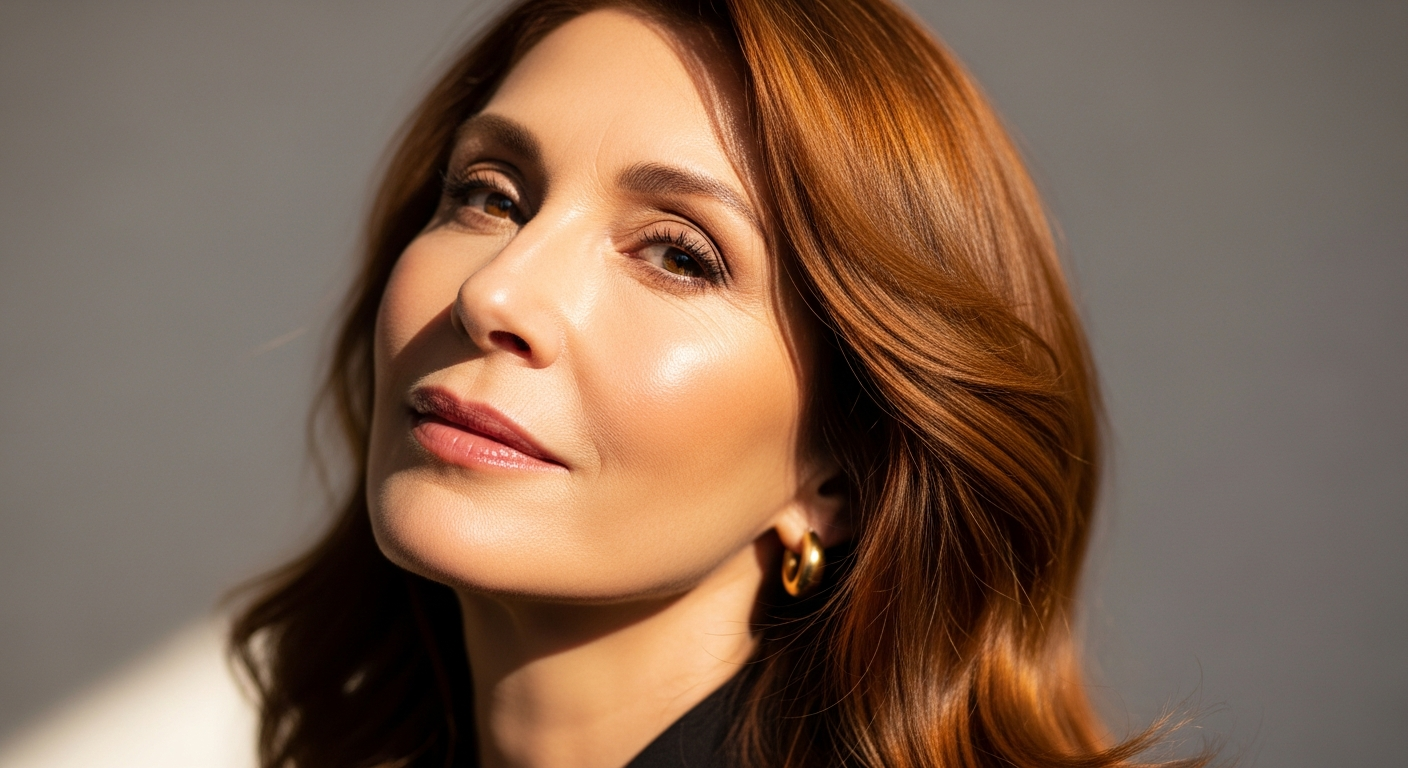
As we age, subtle changes in skin tone and texture can influence how colors—particularly hair colors—complement our overall appearance. Women over 50 often face the challenge of maintaining a vibrant, youthful look without appearing unnatural. One often-overlooked tool in the beauty arsenal is the tone of a chosen hair dye. While cool, ashy tones might have been popular for their modern, muted elegance, they can actually wash out aging complexions and emphasize imperfections. In contrast, warmer shades can create a healthy, radiant glow, enhancing the skin’s natural beauty and turning back the clock on one’s appearance.
Understanding the interplay between hair color and skin tone is essential, especially after 50 when collagen production declines, and skin may lose some of its natural warmth and firmness. With these biological shifts, color choices that worked in your 30s or 40s can suddenly feel off. Adding warmth to hair hues doesn’t just result in a facelift-like optical illusion; it brings harmony between your hair and skin, making every feature stand out for the right reasons.
Why warm tones matter after 50: overview
| Factor | Cool Tones (Ashy) | Warm Tones (Golden, Caramel) |
|---|---|---|
| Skin Appearance | Can appear dull or sallow | Enhances natural glow |
| Wrinkle Emphasis | May highlight fine lines | Softens facial features |
| Overall Vibe | Muted and aging | Youthful and vibrant |
| Color Harmony | Less forgiving with grays | Blends easily with natural tones |
| Maintenance | Frequent toning required | Easier to maintain nurture-like shades |
Why cooler tones lose their magic as we age
In youth, skin typically has higher elasticity, richer pigmentation, and a naturally dewy finish. Cool tones like ash blonde, silver, or platinum can pair beautifully with such complexions. However, as time passes, skin can become thinner, more translucent, and take on yellow or red undertones. Unfortunately, those once-trendy ashy hues can make mature skin look greyish or even tired.
Additionally, gray hair—which often emerges after 50—has a cool base by nature. Pairing cool tones with gray can tip your entire look toward a monochrome, washed-out effect. Conversely, warm hues such as golden blonde, honey brown, or copper add brightness and dimension, contrasting delicately against grays and giving the skin a lifted, vibrant appearance.
How warm colors interact with mature skin tones
The secret behind warmer hair colors lies in their ability to bounce light off the skin, creating the illusion of a healthier complexion. Shades like golden blonde, soft caramel, and warm chestnut reflect warm hues onto the face, giving cheeks a natural flush and softening the appearance of age spots and fine lines.
Warm tones are also more forgiving when fading, often blending seamlessly with natural gray regrowth. Without the harsh demarcation lines typical of cooler shades, hair grows out more subtly, allowing easier maintenance and fewer salon visits. This makes warm tones not just aesthetically pleasing but also practical for mature women looking to simplify their beauty routines.
Celebrity-inspired shades making a comeback
Numerous celebrities over 50 have embraced warmer tones with stunning results. From Helen Mirren’s peachy highlights to Viola Davis’s rich, golden brunettes, the message is clear: warmth adds life. These public figures demonstrate how transitioning from harsher platinum or ash tones to deeper, golden hues can transform one’s image, balancing sophistication with approachability.
“Warmer tones add a softness around the face that is incredibly flattering for mature women. It lifts the complexion and makes the eyes sparkle.”
— Dana Trudeau, Celebrity Colorist
Choosing the right warm tone for your skin undertone
Not all warm shades are created equal. The key is choosing hues that harmonize with your skin’s unique undertone. If you have:
- Cool undertones: Opt for warm tones that aren’t too orange-based. Think strawberry blonde, rose gold, or soft honey.
- Warm undertones: Embrace golden caramel, copper, or rich cinnamon browns.
- Neutral undertones: Most warm tones will complement your skin—try a golden chestnut or warm beige blonde.
A professional colorist can assess your undertone and guide you toward the right shade. In home coloring, check your veins: blue/purple veins often indicate cool undertones, while green-ish veins suggest warmth. Neutral veins combine the two.
Maintenance tips for warm hair hues
Warm colors, while vivid, require proper upkeep to maintain their luminosity. Here are some expert-backed strategies:
- Use sulfate-free, color-protecting shampoos to preserve tone vibrancy.
- Limit styling tools to reduce heat damage which can dull color.
- Apply gloss treatments monthly for a fresh, salon-quality finish.
- Protect with UV spray during sun exposure to prevent brassiness.
“Color fades naturally over time but warm tones offer a more forgiving fade-out. A gloss every few weeks is all it takes to keep the tone lively.”
— Maritza Allen, Color Consultant (Placeholder)
Biggest winners and losers when it comes to post-50 hair tones
| Winners | Why |
|---|---|
| Golden Blonde | Brightens complexion, blends well with gray |
| Caramel Brown | Deepens richness, enhances eye color |
| Strawberry Blonde | Soft, romantic, pairs well with cool undertones |
| Warm Chestnut | Provides depth without harsh shadows |
| Losers | Why |
|---|---|
| Ash Blonde | Washes out skin, highlights imperfections |
| Platinum | Dramatic contrast, high maintenance |
| Matte Gray | Unnatural fading, lacks warmth |
What your hair color says about your energy
Beyond aesthetics, hair color influences perception—both how others see you and how you see yourself. Warm tones convey vibrancy, friendliness, and confidence. They evoke an approachable elegance that is often associated with health and vitality, especially beneficial for women entering their golden years.
Color psychology suggests that warmer hues are mentally uplifting. Updating your hair color to a richer, warmer shade might be the mental and emotional refresh you didn’t know you needed.
Best practices for transitioning from cool to warm tones
If you’ve been loyal to cooler hues, making the jump to warm tones can feel daunting. But the transition doesn’t have to be drastic. You can start by adding warm highlights or lowlights to your current color, or use a semi-permanent formula to test new shades. Balayage techniques are also effective in blending tones seamlessly, allowing some of your natural hue to stay intact in the process.
“The key is customizing your hair color so it does not fight your features. Warm highlights near the face can shave off five years instantly.”
— Sarah Lim, Hair Stylist (Placeholder)
FAQs about warm hair tones after 50
What are the best warm hair colors for mature skin?
Golden blonde, caramel brown, strawberry blonde, and warm chestnut are ideal. These shades complement the natural changes in skin tone that come with age.
Can cool-toned individuals wear warm hair colors?
Yes, but they should choose warmer shades with pink or rose undertones like strawberry blonde or soft honey to harmonize with their skin.
Does warm hair color make you look younger?
Often, yes. Warm colors brighten the complexion, soften lines, and create a youthful radiance compared to cooler hues that may dull your features.
Is it hard to maintain warm hair tones?
Not particularly. With color-safe shampoos, occasional gloss treatments, and UV protection, warm tones can remain vibrant with minimal fuss.
Should I cover gray hair with warm tones?
Warm tones blend beautifully with gray, softening the contrast and creating a natural, blended appearance that is easy to maintain.
How do I shift from an ash blonde to a warmer blonde?
Start with warm highlights or lowlights added around the face and crown. Balayage or semi-permanent glosses are good transitional techniques.
Are warm tones better for thinning hair?
Yes, because warm hues reflect more light, creating the illusion of volume and movement which can help thinning hair appear fuller.
Can I go warm without going red or orange?
Absolutely. Warm does not mean vibrant orange. Soft golds, honey tones, and amber shades all fall into the warm category without going brassy.