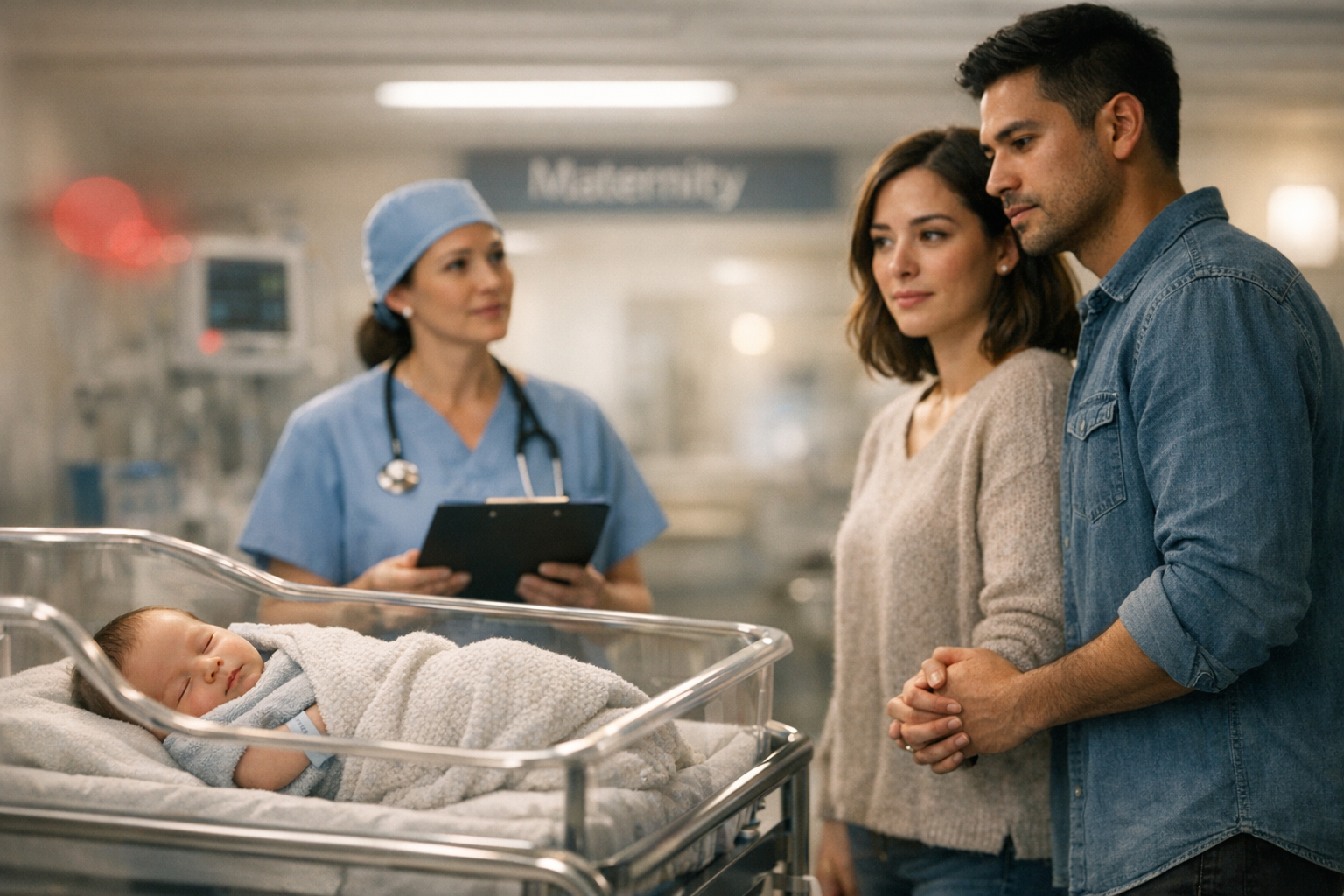
In gleaming hospitals around the world, the decision to have a planned caesarean section often represents a moment of comfort, control, and modern medical convenience. For many parents and doctors, this route offers a safe and sometimes necessary way to bring new life into the world. But behind the sterile lights of operating rooms and the quiet hum of fetal heart rate monitors, new research has revealed a concerning trend that’s casting a long shadow over the perceived safety of planned C-sections.
Recent findings published in the journal Acta Paediatrica have raised alarms in the medical community by linking **planned caesarean births**—those scheduled before labor begins—to an increased risk of a rare yet devastating disease: **childhood leukemia**. The results of the study are prompting fresh debates on the long-term implications of how we orchestrate childbirth and whether the rise of planned C-sections may be unwittingly influencing the health trajectory of the next generation.
Conducted using data from Denmark and other Nordic countries, the study scrutinized millions of birth records, making it one of the most comprehensive inquiries into the intersection of birth methods and childhood cancer. The findings serve as a stark reminder that medical interventions, no matter how common or convenient, can carry hidden consequences that ripple far beyond the delivery room.
Key takeaways from the latest study
| Topic | Details |
|---|---|
| Study Origin | Scandinavian national birth registries, including Denmark |
| Primary Finding | Planned caesarean births tied to a 20% increased risk of childhood leukemia |
| Controlled Factors | Maternal age, birth order, socioeconomic status, and medical conditions |
| Publication | Acta Paediatrica, peer-reviewed medical journal |
| Implication | Greater caution needed in non-medically necessary planned C-sections |
Why childhood leukemia risk matters
Leukemia, a cancer of the blood-forming tissues, remains the most common form of cancer in children. Among its variants, **acute lymphoblastic leukemia (ALL)** and **acute myeloid leukemia (AML)** dominate pediatric oncology cases. Survival rates have improved dramatically over the past few decades, thanks to better diagnostics and chemotherapy protocols, but the diagnosis still brings emotional and financial strain to families.
Unlike adult cancers, which often result from environmental exposures, childhood cancers tend to be more mysterious in origin. That makes any discovery of **modifiable risk factors** particularly significant. A birth method, under this lens, becomes a potential lever for disease prevention—a pressing conversation as the rate of planned caesarean deliveries continues to rise globally.
How birth methods influence a baby’s immune system
One of the leading hypotheses explaining the observed link involves the **microbial environment** that babies encounter at birth. Unlike vaginal delivery, where a baby is exposed to the mother’s birth canal bacteria, a planned C-section bypasses this critical immune-priming moment. Scientists believe this difference may influence the development of a child’s immune system, potentially leaving them more vulnerable to autoimmune diseases and certain cancers.
Furthermore, planned C-sections don’t involve labor. Labor itself is believed to signal key stress responses in the newborn’s body, including the release of hormones that may help in the mature development of the immune and central nervous systems. Without these biological stress cues, babies may be at a disadvantage in early immune development.
Who qualifies for a planned C-section and why that’s changing
Planned caesarean births are often recommended for specific medical reasons, including placenta previa, breech presentation, or prior uterine surgeries that make vaginal birth risky. However, in some countries, maternal request alone—often due to fear of labor pain or convenience—can also be a justification.
But this latest study is prompting a reconsideration. Doctors may now need to weigh not only the immediate safety of mother and child but also the **long-term epidemiological risks**. Obstetricians and healthcare policymakers could begin revising their guidelines to curb non-medically necessary C-sections unless compelling reasons justify them.
Diving deeper into the study details
The study looked at children born between 1982 and 2018 across multiple Nordic nations. Of the more than 3.5 million children reviewed, about 7,000 went on to develop leukemia. When researchers isolated planned C-section births from those where the C-section happened after labor had commenced, a **statistically significant rise of 20%** emerged in planned cases.
It’s important to note the study controlled for a wide array of *confounding factors*. These included maternal age, gestational age, parity (birth order), birth weight, parental medical history, and more. In doing so, researchers aimed to confidently identify planned cesarean birth as an *independent risk factor* rather than a proxy for something else.
“This is not about blaming parents or doctors. It’s about revisiting our assumptions on what’s safest for the child—not just at birth but for the years to follow.”
— Dr. Eva Broberg, Pediatric Oncologist (placeholder)
Public health implications of a widespread practice
Globally, caesarean birth rates have more than tripled since 1990. In certain Mediterranean and Latin American countries, planned C-sections account for more than 50% of deliveries. Even in more conservative healthcare systems, that number is steadily rising.
As this practice becomes entrenched, **policy shifts** may be required. Medical boards and insurers could reevaluate how planned caesareans are approved and reimbursed, prioritizing medical necessity above all. Educational campaigns may also be key, ensuring expectant mothers are fully aware of both the short-term benefits and potential long-term consequences.
Winners and losers in the wake of the findings
| Winners | Losers |
|---|---|
| Children born with medically justified C-sections | Elective C-sections without medical indication |
| Healthcare providers advocating evidence-based care | Systems promoting high C-section quotas |
| Policy makers promoting safe vaginal deliveries | Insurance models that reward procedural interventions |
How parents can engage in informed decision-making
For expectant parents, this study underscores the necessity of **open dialogue with obstetricians**. Questions about the medical indications for a C-section—and whether those are urgent or elective—should be an essential part of prenatal conversations. Parents should be encouraged to seek second opinions when unsure, and hospitals should offer evidence-based counseling that outlines all health outcomes associated with different birth methods.
That said, parents should not panic. A 20% increase in the risk of a rare disease still means the absolute risk is very low. However, in a world striving for optimal health outcomes, even small risks deserve serious attention when avoidable.
Looking ahead: the future of childbirth practices
The implications of this research go beyond individual decisions. Medical schools, midwifery programs, and hospital systems may revise training and protocols to focus more on the benefits of vaginal and labor-involved births where possible. Also, greater investments in public health data and longitudinal studies will be vital to understand the far-reaching outcomes of such common procedures.
“Birth isn’t just a moment; it’s the first chapter of a lifelong story. How we begin that story matters more than we realized.”
— Dr. Kaj Hansen, Research Scientist (placeholder)
Frequently asked questions
What is a planned caesarean birth?
A planned caesarean birth is a surgical delivery scheduled before the onset of labor. It is typically arranged for medical reasons but can also be done upon request in some healthcare systems.
What is the increased risk of leukemia in planned C-section deliveries?
According to the recent study, children born via planned caesarean deliveries face a 20% higher risk of developing childhood leukemia compared to those born vaginally or through emergency caesarean after labor has started.
Is the risk high in absolute terms?
No. Childhood leukemia remains rare, and even with a 20% increase, the absolute risk is still low. However, from a public health lens, any preventable increase is significant.
Should planned C-sections be avoided now?
Not necessarily. Planned C-sections remain crucial in many medical scenarios. However, elective procedures without strong medical justification may need reconsideration in light of the new research.
What can parents do before deciding on a delivery method?
Discuss all birth options with your healthcare provider, understand the medical indications for a C-section, and make sure you are aware of the potential long-term health impacts.
What role does the immune system play in this risk?
The study suggests that missing exposure to maternal bacteria during vaginal birth and lack of labor-induced hormonal responses may influence immune system development, potentially making children more vulnerable to leukemia.
Are other childhood diseases linked to C-section births?
Yes. Previous studies have linked C-sections to increased risks of asthma, type 1 diabetes, and allergies. The underlying mechanism is often traced back to immune system development.
Can leukemia be screened at birth?
Currently, there are no standard screenings for leukemia at birth. Diagnosis is usually made after the onset of symptoms, often within the first few years of life.