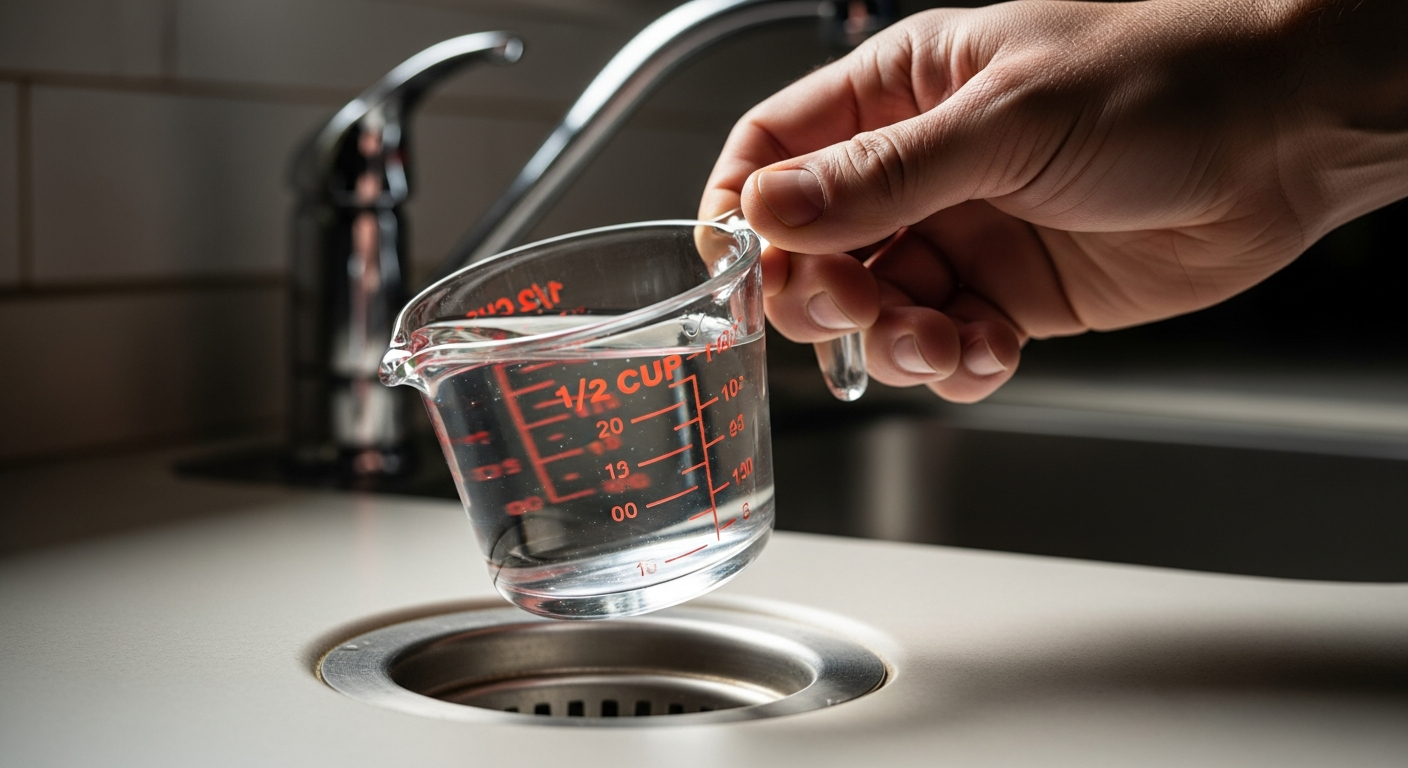
If you’ve ever struggled with a slow-draining sink or a backed-up shower drain, you’re not alone. Clogged drains are among the most common household nuisances, and while supermarket shelves are lined with chemical drain cleaners, not everyone wants to resort to harsh, abrasive chemicals. Fortunately, plumbers have now shed light on a surprisingly simple and eco-friendly solution that uses only a **half-cup of a common household item**—and it works without the need for vinegar, baking soda, or expensive specialty products.
This inexpensive DIY method has rapidly gained popularity among homeowners and professionals alike, primarily because it’s safe, efficient, and effective. According to experts, this solution not only clears common blockages but also helps maintain your pipe system in the long run. Read on to discover what this miracle ingredient is, how to use it properly, and why this plumbing hack could become your go-to fix for recurring drain issues.
At a glance: The half-cup household trick to unclog drains
| Feature | Details |
|---|---|
| Ingredient Used | Half a cup of dish soap |
| Other Items Needed | Boiling water |
| Estimated Time | 10 minutes |
| Ideal For | Clogged sinks, tubs, or shower drains |
| Best Time to Use | When drain flow slows or water pools |
| Cost | Less than $1 |
| Eco-Friendly | Yes |
Why this method is gaining attention from plumbers
In a recent discussion among industry professionals, plumbers revealed that **half a cup of dish soap followed by boiling water** can be incredibly effective at dissolving grease and organic buildup inside your pipes. What makes this method stand out is its simplicity—there’s no need for vinegar, baking soda, or questionable chemical concoctions that can sometimes do more harm than good.
This process works particularly well with kitchen sinks that often face grease accumulation from food waste. The slippery formula of dish soap binds with fatty residues, loosens them up, and the boiling water then melts and flushes everything away. For bathrooms plagued with hair and soap scum, this trick can make a noticeable difference with just one application.
The science behind how it works
Dish soap acts as a **surfactant**, breaking down and suspending stubborn grease particles in water. When you pour a **half cup of dishwashing liquid** into a clogged drain, it begins to coat the gunk lining your pipes. After letting it sit for a few minutes, a follow-up with **boiling water** mobilizes the debris and pushes it down through the pipes. This simple chemical reaction is enough to dislodge many surface-level obstructions.
Experts stress that while this remedy may not work for severe blockages caused by foreign objects or tree root infiltration, it’s ideal for most **routine household clogs**. It’s highly effective, non-damaging to your plumbing system, and inexpensive—three things professionals and homeowners alike can appreciate.
How to apply the dish soap and boiling water method
Here’s a step-by-step breakdown of how to perform this powerful home remedy.
- Clear any standing water from the sink or tub.
- Pour **half a cup of dish soap** directly down the drain.
- Let it sit for **5-10 minutes** to help break down grease and residue.
- Meanwhile, boil **a full kettle or large pot of water**.
- Carefully pour the boiling water down the drain in a slow, steady stream.
Repeat the process if necessary, but many users report significant improvements after just the first use. For maximum effectiveness, perform monthly as part of your routine maintenance to prevent clogs from forming.
Who benefits most from this method
This household trick is especially beneficial for:
- People living in older homes with fragile plumbing systems
- Renters who want a quick, low-cost fix without the risk of damaging pipes
- The eco-conscious who want a **chemical-free** alternative
- Families with young children or pets, where safety from harsh chemicals is a top priority
Limitations: When this method might fall short
While incredibly effective for most grease or soap-based clogs, the dish soap trick does have limitations. It won’t work well on clogs formed by solid debris, like utensils, plastic items, or dense hair clumps. In such cases, a mechanical solution like a drain snake or professional intervention may be necessary.
Winners and losers of this home remedy
| Winners | Losers |
|---|---|
| Homeowners looking for safer methods | Harsh chemical drain cleaner manufacturers |
| Eco-conscious consumers | People hoping to fix pipe damage with DIY methods |
| Households with minor, frequent clogs | Clogs caused by foreign objects |
What professional plumbers are saying
We recommend this method to clients with minor clogs all the time—it’s safe, reliable, and incredibly low-cost.
— Mike J., Licensed Plumber
Dish soap breaks down grease like nothing else. Pair that with boiling water, and it’s a plumber-approved solution that really works.
— Sarah W., Drainage Specialist
This trick has been passed around in the industry for years. It’s now becoming common knowledge, and we fully support its use as a first-line defense against clogs.
— Richard T., Master Plumber
Safe, sustainable, and smart—why more people are making the switch
With rising awareness about the harmful impacts of caustic chemical cleaners on both plumbing systems and the environment, more people are leaning into safer, DIY alternatives. This **dish soap and boiling water method** offers a compelling blend of effectiveness, affordability, and safety, making it the smart choice for modern households.
It also serves as a preventative measure, helping reduce the chance of major plumbing issues down the line. Maintaining your drain system with easy monthly applications can lead to fewer emergencies and, ultimately, less money spent on service calls.
Frequently asked questions about the dish soap method
What kind of dish soap works best?
Any liquid dishwashing soap known for cutting grease is suitable. Brands labeled as “grease-fighting” typically yield the best results.
Is this method safe for all plumbing?
Yes, it’s generally safe for most types of plumbing, including older systems and septic tanks. However, avoid overuse if your pipes are severely corroded.
Can I use this method in the toilet?
Yes, you can. In fact, many plumbers suggest this trick as a secondary fix for sluggish toilet drains—but boiling water should be poured carefully to avoid cracking porcelain.
How often should I repeat the process?
Once a month is ideal for prevention. If you notice slow drainage, repeating the method up to twice might help before seeking professional plumbing assistance.
Does this work better than baking soda and vinegar?
In many kitchen sink cases, yes. Dish soap more directly targets grease—which is often the root of clogs—while vinegar and baking soda provide a more general cleaner.
Can this method damage my pipes?
No, unlike harsh chemical drain cleaners, dish soap is gentle yet effective. Just be cautious when using boiling water with delicate materials like PVC or old pipes.
Will this get rid of bad drain smells?
Yes. Because the method removes odor-causing gunk, it often reduces or eliminates unpleasant smells coming from your sink or tub.