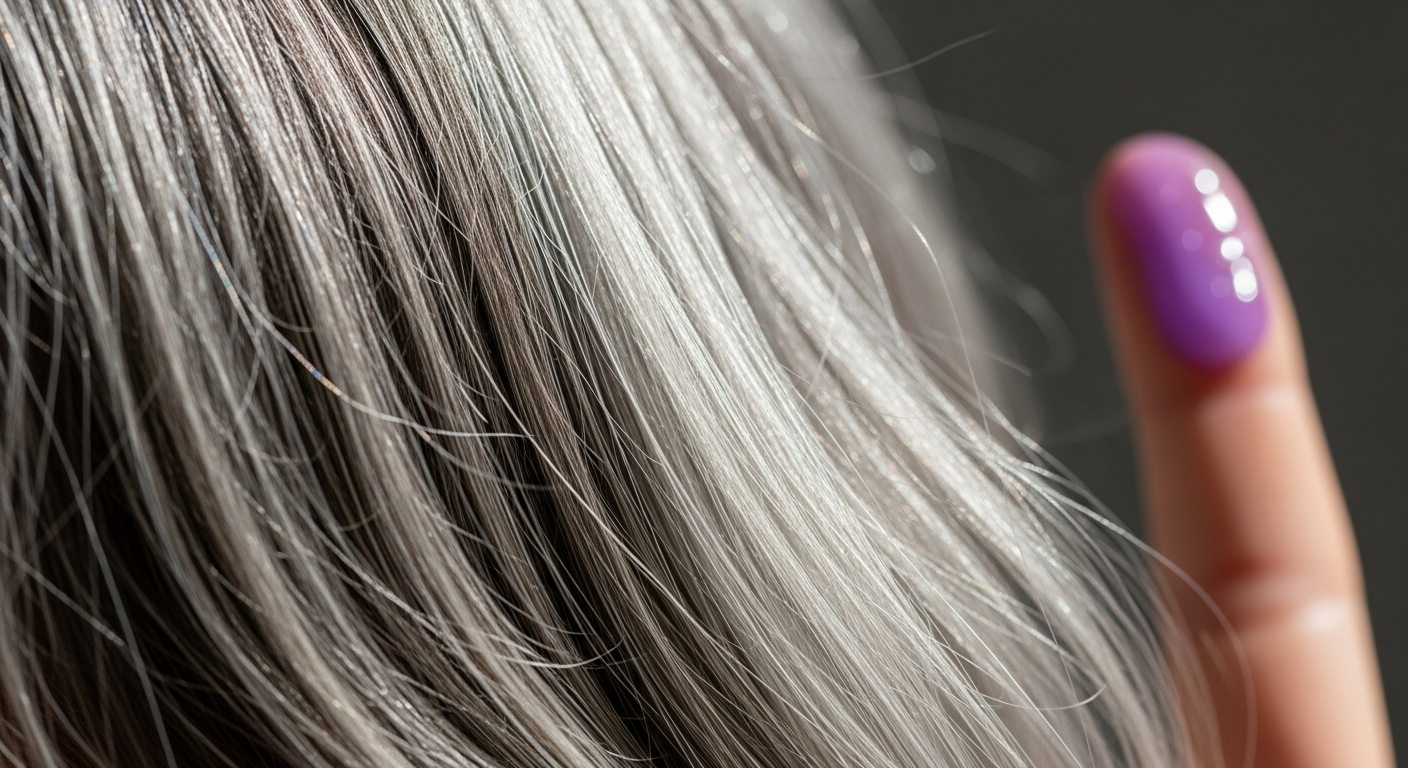
Aging gracefully often brings with it new beauty routines, and for many women, embracing their natural gray hair is now a confident statement of elegance. But as those shimmering silver strands take center stage, maintaining their brilliance can be more nuanced than expected. Among the tips most stylists recommend is the use of **purple shampoo**, a trusted solution for keeping gray and blonde tones cool and crisp. However, a lesser-known fact has begun circulating in professional salons and beauty circles: overusing purple shampoo on gray hair might actually make it look worse, not better.
For years, purple shampoo has been a favorite tool in the toning arsenal for combating brassiness. Designed to neutralize yellow tones using violet pigments, it seemed a fail-safe way to maintain the pristine sheen of silvery hair. But according to a growing number of hairstylists, too much of a good thing can backfire. Over-application may cause gray hair to lose its luster and develop a dull, even muddy cast — the opposite of the luminous silver glow many aim for. What started as a helpful maintenance step is now a cautionary tale of imbalance and overcorrection.
The use of purple shampoo isn’t new, but its application among naturally gray-haired women has increased significantly with the rising popularity of going gray naturally. Whether due to aesthetic preference or chemical damage concerns, many are swapping out dye routines for a more natural approach. With that, purple shampoo has entered daily or weekly use. But expert stylists are asking users to pump the breaks — and reevaluate the role these products play in at-home hair care.
So what exactly is going wrong with our purple shampoo habits, and how can we better care for our enviable grays? Let’s take a closer look at how this trend misfired — and what you should be doing instead to keep your hair luminous without compromise.
Quick facts about overusing purple shampoo on gray hair
| Topic | Details |
|---|---|
| Primary Concern | Dulling and muddy tone in gray hair from overuse of purple shampoo |
| Ideal Usage Frequency | Once per week or as needed based on hair tone shift |
| Hair Color Types Affected | Gray, silver, white, blonde |
| Signs of Overuse | Loss of shine, violet tint, flat-looking strands |
| Recommended Alternatives | Clarifying shampoo, moisturizing treatments, professional toning |
| Main Ingredient | Violet pigments used to neutralize yellow and brassy tones |
Why gray hair needs special attention
Gray hair isn’t just a different color — it’s a completely different texture and structure compared to pigmented hair. As we age, hair follicles stop producing melanin, resulting in strands that are not only lighter but also often **coarser, drier, and more porous**. This porosity makes gray hair more vulnerable to environmental damage and product buildup, especially from highly pigmented products like purple shampoo. This is why gray strands tend to absorb color and product differently, often reflecting tones in unintended ways.
Because of its increased dryness and susceptibility to dullness, gray hair needs a tailored care routine. While purple shampoo has long been marketed as the go-to product for gray maintenance, its intense pigments can backfire. If overused, these violet tones may cling to the porous gray strands, leading to a **dingy, smoky appearance** rather than a crisp, radiant silver.
“You want your gray or silver hair to have depth and shine, not look flat. That’s what overusing purple shampoo can do — rob you of that multi-dimensional glow.”
— Carla Benson, Senior Colorist
The science behind purple shampoo
Purple shampoo works on the principle of the color wheel: violet sits opposite yellow, which allows it to cancel out unwanted yellow or brassy tones in lightened or gray hair. When used properly, it restores a **cooler, fresher look** to gray or platinum hues.
However, the pigments in purple shampoo are sufficiently strong enough to subtly tint hair. Normally, if used once a week or intermittently, this pigment washes out easily. But with overuse — especially on very light or porous hair — the result can be an unintentional deposit of violet tones. Instead of enhancing brightness, it neutralizes too much and ends up making hair look **ashy, gray-blue, or muddy**.
“Hair with little to no pigment — like white or silver strands — grabs onto toners more stubbornly. That’s why moderation is key.”
— Jenna Lee, Hair Chemist
How to tell if you’re overusing purple shampoo
If your hair once sparkled like a silver fox and now resembles something duller, it might be time to reassess. Common **signs of purple shampoo overuse** include:
- Hair that feels extra dry or brittle
- A subtle or obvious violet, blue, or smoky tint
- Flat appearance with less dimension or glow
- Build-up at the roots or inconsistent tones throughout
Should you notice any of these indicators, experts recommend stepping back and detoxing your hair care routine. A clarifying shampoo, which strips away residue and buildup, can help restore natural shine. Deep conditioning masks are also useful to restore moisture and elasticity to lightened gray strands.
Ideal frequency and best practices for purple shampoo
Stylists stress that there’s no one-size-fits-all frequency for purple shampoo — it depends on your individual hair type, lifestyle, and tone goals. However, **once a week** is a solid rule of thumb for most. If you spend a lot of time in the sun or chlorinated pools, that frequency might vary based on how brassy your gray gets.
- Use a sulfate-free purple shampoo to minimize dryness
- Alternate with nourishing or moisturizing shampoos
- Consider leaving the product on for shorter time initially
- Apply heat-protectant serums to reduce UV and heat styling impact
“You don’t need to use purple shampoo every wash. Treat it like a toner — when you notice brassiness creeping in, then it’s time.”
— Marco Fields, Celebrity Hair Stylist
Alternative ways to enhance gray hair
Beyond purple shampoo, there are numerous ways to help gray hair look vibrant, not lackluster. Some of the most favored by stylists include:
- Using lightweight shine serums on damp hair
- Regular trims to maintain shape and reduce frizz
- Olaplex or bond-building treatments for strength
- Glossing treatments to enhance reflectivity
- Weekly masks for deep hydration
Routine and product selection matter greatly. A diet rich in Omega-3s and antioxidants also plays a part in scalp health and hair vitality, especially as one ages.
The balance between tone and texture
Ultimately, achieving great-looking gray hair is not just about hitting the right shade. It’s about maintaining a **balance of shine, softness, and subtle tone** — all of which require a careful approach. While purple shampoo can be an indispensable tool in the gray-hair routine, it functions best as an occasional booster, not a daily go-to. Knowing when to scale back helps preserve the natural beauty of silver strands without risking overcorrection.
Short FAQs about purple shampoo and gray hair
How often should I use purple shampoo on gray hair?
Most stylists recommend using it once per week or only when brassiness appears to avoid dullness from build-up.
What does it mean if my hair looks purple or blue?
This usually means the purple shampoo was left in too long or used too frequently, leading to pigment deposits. Use a clarifying shampoo to reset.
Can I use regular shampoo in between?
Yes, alternate with a moisturizing or gentle sulfate-free shampoo to keep hair hydrated and healthy.
What’s the biggest mistake people make with purple shampoo?
Overusing it or applying it to hair that doesn’t need toning at the time. It’s best used as a targeted treatment, not a routine step.
Does purple shampoo damage gray hair?
Not if used properly. However, frequent use can dry out or discolor hair if not followed by hydrating treatments.
What products help restore shine to gray hair?
Look for glosses, shine mists, and deep conditioners specifically formulated for gray or silver strands.
How do I know if my purple shampoo is too strong?
If your hair starts to appear violet-tinted or loses its shine after each wash, your formula might be too pigmented or too drying.
Is there a natural way to keep gray hair bright?
Yes, using apple cider vinegar rinses, clarifying herbs, and nourishing oils can help maintain tone and shine without harsh chemicals.