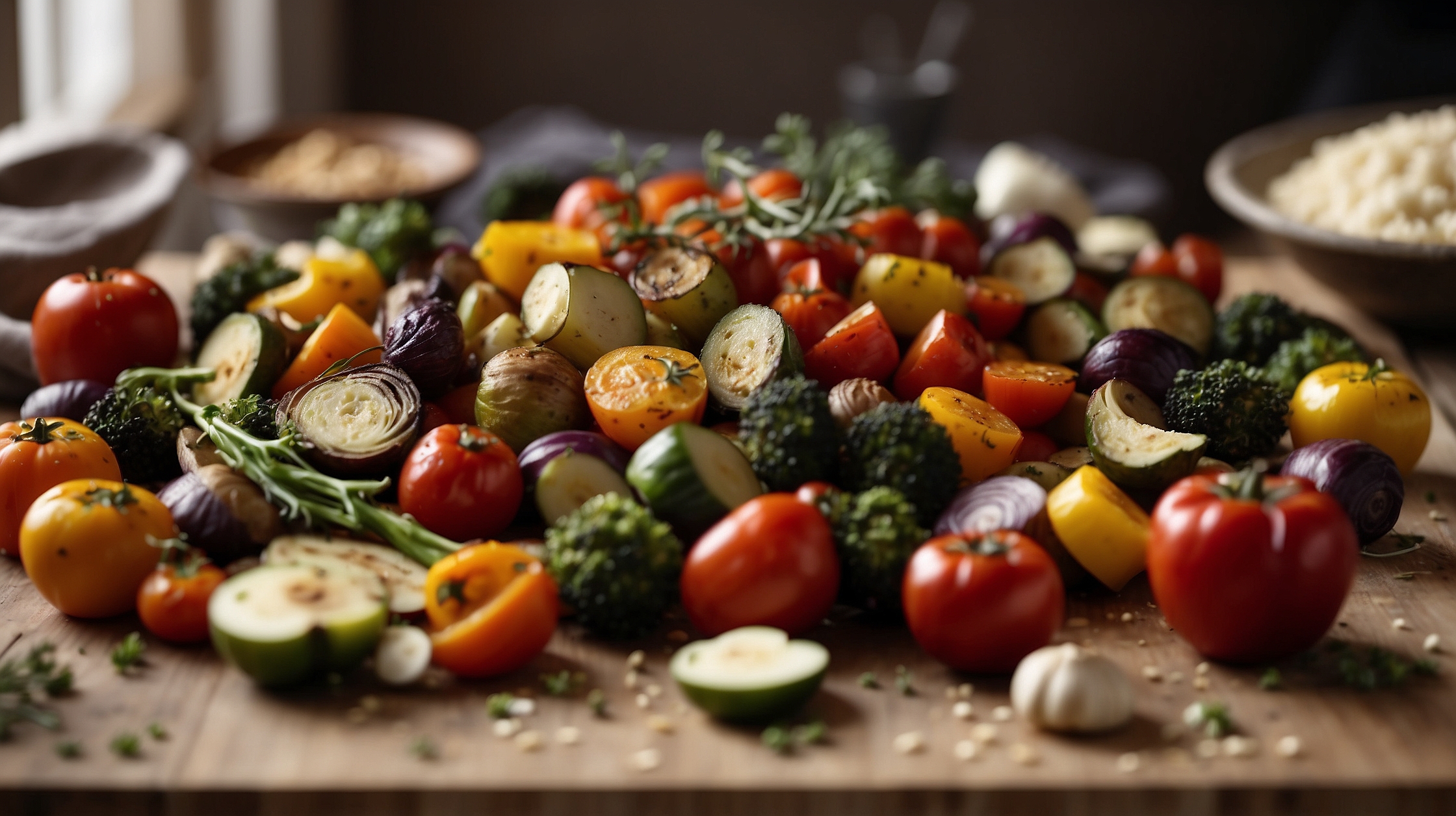
On busy weeknights or long workdays, pulling dinner together can sometimes feel like a chore. But imagine opening your fridge to discover a colorful tray of tender roasted carrots, crispy broccoli, golden sweet potatoes, and seasoned cauliflower — ready to go, needing only a quick heat-up or toss into your next meal. For many home cooks and meal planners, roasting vegetables in batches has become a go-to strategy for maximizing flavor, simplifying dinner prep, and ensuring nutritious meals throughout the week.
This isn’t just a trend embraced by hardcore meal preppers or nutritionists. Roasting vegetables in batches is a simple yet game-changing habit that can radically upgrade how you eat — especially if you’re looking for more variety, more fiber, and less stress. With a little planning and a few key tips, you can harness the power of your oven to create a rotating cast of tasty sides that not only stand on their own but also play a starring role in almost any dish you love.
Ready to reduce your cooking time and boost your vegetables’ flavor factor? Let’s dive into why roasting vegetables in batches is worth your time — and how to master the method.
Benefits of roasting vegetables in batches for weekly meals
| Benefit | Explanation |
|---|---|
| Time Efficiency | Roasting in batches means you prep once and eat multiple times. |
| Flavor Development | Caramelization from roasting deepens the taste of vegetables. |
| Meal Variety | Pre-roasted vegetables can be used in many different recipes. |
| Healthier Choices | Having vegetables ready reduces reliance on less nutritious options. |
| Reduces Waste | Helps use up produce before it goes bad. |
Why roasting enhances flavor and texture
Roasting brings out the natural sweetness in vegetables through a process called the Maillard reaction — a form of caramelization that occurs when vegetables hit high heat. This method allows produce to brown and crisp at the edges while staying soft inside, creating layers of satisfying texture and intensified flavor that boiling or steaming can’t match.
Whether you’re roasting root vegetables like sweet potatoes and carrots or cruciferous favorites like Brussels sprouts and broccoli, roasting concentrates their taste without the need for heavy sauces or extra fats. If you’ve ever wondered why restaurant vegetables seem richer in taste, this is likely their secret weapon.
The best vegetables for batch roasting
Some vegetables lend themselves particularly well to roasting, both in flavor and texture. Here are some of the top contenders for your next batch-roasting endeavor:
- Sweet potatoes: Their natural sugars caramelize beautifully in the oven.
- Broccoli and cauliflower: Roast into crispy, nutty-tasting delights.
- Carrots: Become tender with just a hint of sweetness.
- Brussels sprouts: Roasting slices away their bitterness and brings out a smoky flavor.
- Zucchini and squash: Roast fast and absorb seasonings well.
- Bell peppers and onions: Soften and sweeten with a slight char.
Mix and match to create colorful combinations. Just remember that softer vegetables cook faster, so you may need to separate sheet pans by density and required doneness.
How to batch-roast vegetables step-by-step
Want to set yourself up for a week of easy, wholesome meals? Here’s a foolproof plan:
- Choose your vegetables: Pick 3-5 different types that balance color, texture, and cooking times.
- Prep space and tools: Preheat your oven to around 400°F (200°C) and line several baking sheets with parchment paper.
- Wash, peel, and cut: Cut vegetables into similarly sized pieces for even cooking. Larger chunks = softer centers, smaller pieces = crispier edges.
- Season simply: Toss with olive oil, salt, pepper, and any desired seasonings like paprika, cumin, or thyme.
- Roast by type: Group veggies by similar cook times. Most need 20–40 minutes with occasional flipping.
- Cool then store: Let roasted veggies cool before transferring to airtight containers. Keeps well in the fridge for 4–5 days.
“Roasting vegetables in batches is one of the easiest ways to keep your meals fresh, exciting, and nutritious all week long.”
— Jane Thompson, Registered Dietitian
Creative ways to use roasted vegetables throughout the week
Once you have a stockpile of golden, caramelized vegetables in your fridge, the possibilities are nearly endless. Here are some quick meal ideas that spotlight roasted veggies as main attractions:
- Rice or grain bowls: Pair a layer of roasted vegetables with brown rice, quinoa, or couscous. Add a fried egg or grilled protein on top.
- Wraps and tacos: Roll roasted veggies into tortillas with hummus, avocado, or beans for a satisfying handheld lunch.
- Frittatas and omelets: Fold leftovers into eggs for a protein-rich, colorful breakfast or dinner.
- Pasta dishes: Toss roasted vegetables with pasta, olive oil, and Parmesan for a quick and cozy meal.
- Salads: Add warmth and complexity to your greens by tossing in roasted carrots, peppers, or broccoli.
- Flatbread pizzas: Spread them over naan or pita bread with a little cheese and bake for a speedy mini pizza.
Pro tips for keeping roasted vegetables fresh and tasty
One common concern people have with batch cooking is that vegetables will go soggy or lose their flavor after a few days. To avoid that, follow these proven tips:
- Let vegetables cool completely before storing — this prevents condensation and mushiness.
- Use shallow containers to avoid crowding and keep textures crisp.
- If needed, reheat vegetables in the oven or a skillet (not the microwave) to revive their original texture.
- Don’t add cheese or sauces until you’re ready to serve — keep base flavors neutral for mixing versatility.
“One batch of roasted vegetables can transform into dozens of low-effort meals. It’s like unlocking a fridge full of potential.”
— Mark Rouse, Meal Prep Coach
Who benefits most from batch-roasted vegetables
Batch roasting isn’t just convenient — it’s a lifeline for a wide range of lifestyles:
- Busy professionals: A quick dinner starts with roasted veggies already waiting in the fridge.
- Students: Low-cost and versatile, roasted vegetables enhance instant noodles, pasta, sandwiches, or rice bowls.
- Families: Preparing ahead streamlines dinner prep and encourages kids to eat more vegetables.
- Diet-conscious eaters: Having nutritious sides readily available helps avoid unhealthy impulse snacks.
Frequently asked questions about roasting vegetables in batches
How long can I store roasted vegetables in the fridge?
Most roasted vegetables keep well in the refrigerator for up to 5 days when stored in airtight containers.
Can I freeze roasted vegetables?
Yes, most roasted vegetables freeze well. Be sure to cool them completely before freezing and store in airtight, freezer-safe containers.
What’s the best temperature for roasting vegetables?
For best flavor and color, roast your vegetables at 400–425°F (about 200–220°C).
Should I use foil or parchment paper when roasting?
Parchment paper is preferred as it prevents sticking and promotes even browning without trapping steam like foil might.
Can I mix different vegetables on the same tray?
Yes, but make sure they have similar cooking times and sizes. Otherwise, some will overcook while others remain underdone.
What seasonings pair well with roasted veggies?
Try a variety of spices like garlic powder, rosemary, paprika, cumin, or curry powder depending on your taste preferences.
Is it better to roast in the oven or use an air fryer?
Both methods work, but oven roasting allows larger batch sizes and often produces more even results.
Do I need to refrigerate roasted vegetables immediately?
Allow them to cool to room temperature first to avoid condensation, then refrigerate within two hours for food safety.