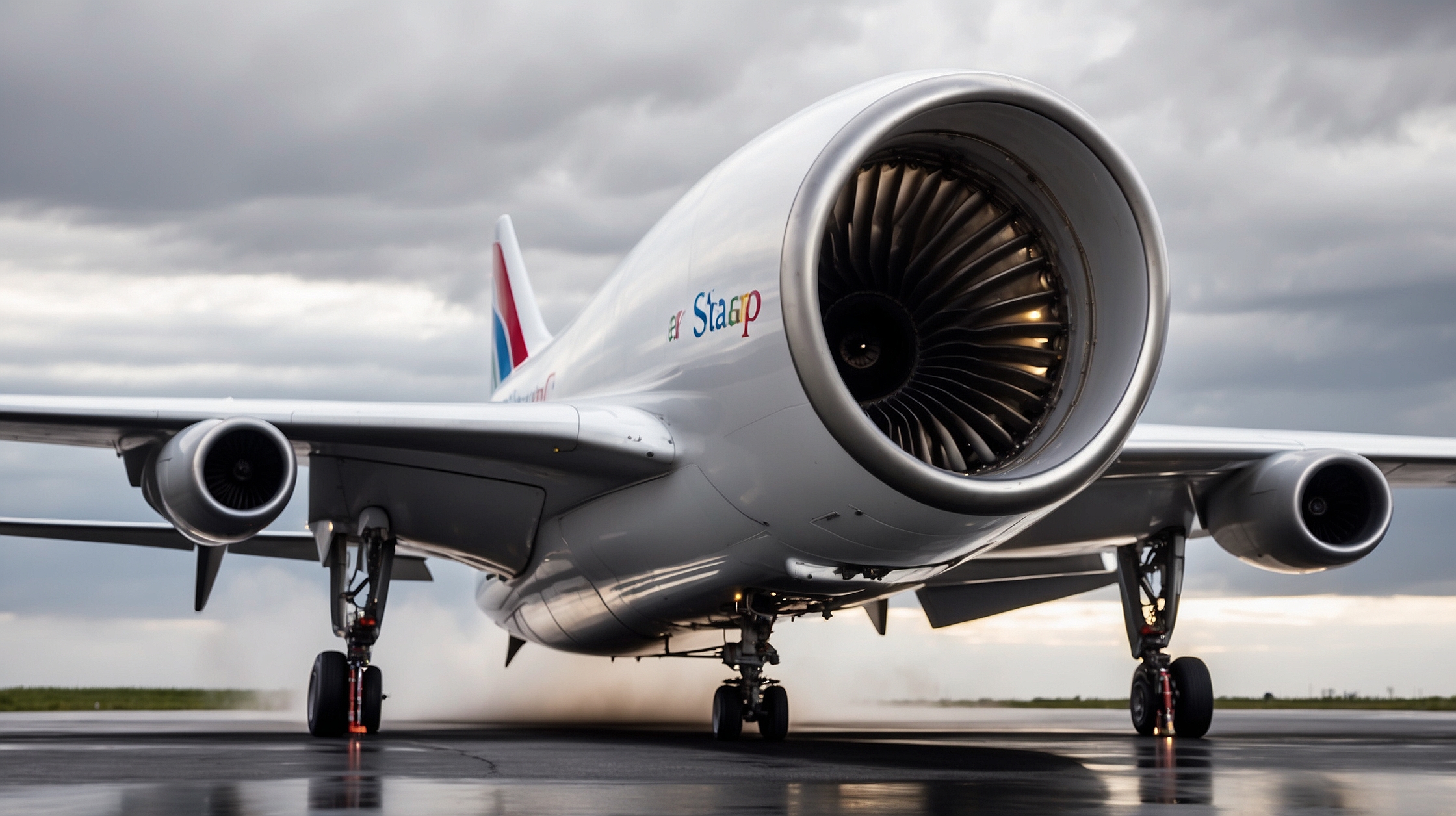
On a crisp spring morning in Paris, the boardroom at Safran’s headquarters buzzed with energy. A deal more than a year in the making had finally come to fruition—one that would not only solidify the French aerospace company’s dominance in the jet engine market but also send ripples through the global aviation landscape. Executives exchanged handshakes and congratulations as news broke that Safran had secured a major order for its LEAP-1A jet engines worth more than €1.4 billion. The transaction was not merely a financial milestone, it was a clear signal: Safran’s strategic vision and technical leadership were paying off resoundingly.
This deal, signed with aircraft leasing giant SMBC Aviation Capital, is a testament to the growing global trust in Safran’s LEAP engine technology—a product developed in collaboration with General Electric through their joint venture CFM International. It’s a win not only for Safran but also for European industrial prowess, sustainability technologies, and innovative air travel that is more efficient, quieter, and environmentally conscious.
But as with anything in aerospace, success is never just about engines. It’s about innovation, global partnerships, geopolitical relationships, and the future of passenger travel in a post-pandemic world. This megadeal is a reflection of all these forces coming to bear at once.
How the €1.4 billion LEAP-1A engine deal changes the game
| Key Detail | Information |
|---|---|
| Company | Safran |
| Deal Value | Over €1.4 billion |
| Client | SMBC Aviation Capital |
| Engine Model | LEAP-1A |
| Aircraft | Airbus A320neo Family |
| Joint Venture | CFM International (Safran + GE) |
| Environmental Impact | 15% fuel reduction compared to previous generation |
Why this deal is a major milestone for Safran
The LEAP-1A engine has rapidly become a cornerstone of modern commercial aviation, and this deal reaffirms that position. As Safran continues to climb the ranks in the global aerospace market, this contract enables the company to secure a larger percentage of a booming sector. Most notably, it enhances Safran’s foothold in the narrow-body jet engine category—a segment poised for long-term growth due to surging demand for domestic and regional flights.
According to the terms of the agreement, the LEAP-1A engines will power Airbus A320neo-family aircraft ordered by SMBC Aviation Capital, one of the world’s most significant aircraft lessors. These aircraft are expected to enter service starting in 2026. The LEAP-1A engines will enable SMBC’s airline customers to reduce fuel burn, cut carbon emissions, and decrease noise pollution, aligning perfectly with the growing emphasis on sustainable air travel.
“This deal is a confirmation of the industry’s confidence in our technology and service reliability.”
— Olivier Andriès, CEO of Safran
What sets the LEAP-1A apart from the competition
The LEAP-1A engine is renowned for its groundbreaking features. As part of CFM International’s LEAP engine family, it boasts advanced materials like ceramic matrix composites (CMCs) that withstand higher temperatures while weighing much less than previous materials. It also incorporates 3D-printed parts, allowing for optimized efficiency and reduced waste in production.
These innovations result in engines that provide a 15% reduction in fuel consumption and CO₂ emissions compared to their predecessors. At the same time, noise levels are significantly lower—a crucial factor as global airports introduce tougher noise abatement regulations.
“The LEAP engine isn’t just about power; it’s about sustainability and forward-thinking design that aligns with aviation’s greener future.”
— Placeholder quote, Aviation Analyst
What changed this year to accelerate demand
Several key factors aligned to create a favorable environment for this megadeal. Firstly, commercial aviation has seen a resurgence following the COVID-19 pandemic. Air traffic volumes are steadily returning to pre-2020 levels, with narrow-body jets driving much of that recovery due to increased short-haul demand.
Secondly, new emissions regulations—particularly in Europe—have intensified pressure on airlines and leasing companies to modernize their fleets. Older, less efficient engines are being phased out, making room for cutting-edge solutions like the LEAP-1A. Lastly, ongoing supply chain stabilization in the aerospace sector has boosted confidence among buyers who were previously hesitant due to manufacturing delays and logistical disruptions.
Who wins and who loses as Safran takes the lead
| Winners | Losers |
|---|---|
| Safran | Legacy engine manufacturers with outdated tech |
| SMBC Aviation Capital | Competitor leasing firms without modern fleets |
| Airbus (via increased LEAP propulsion compatibility) | Other propulsion system providers |
| Airlines focused on sustainability | Engine manufacturers with slower innovation cycles |
How this reinforces Europe’s role in aerospace innovation
This deal not only spotlights Safran’s technological upper hand, but also reinforces Europe’s claim to leadership in aerospace innovation. While American firms like Pratt & Whitney and GE remain strong players, Europe’s collaborative mindset—exemplified in Airbus and Safran’s cooperation with global partners—has resulted in compelling product offerings that dominate across aircraft categories.
Furthermore, the LEAP-1A’s production and development involve an extensive ecosystem of suppliers and R&D centers across France and the European Union, ensuring that the economic benefits of such deals resonate far beyond a single corporation. These ripple effects include job creation, upskilling workforces, and building a global reputation for sustainable aviation technologies.
“Europe has shown time and again that we can lead in aerospace. With the LEAP engine family, we’re not just keeping pace—we’re setting the standard.”
— Placeholder quote, European Commission Aerospace Official
Expected impact on airlines and passengers
As these new Airbus A320neo-family aircraft begin entering service with widely used LEAP-1A engines, passengers will feel the benefits even if they don’t know it. The quieter engines will make for more comfortable takeoffs and landings, while the fuel efficiency will support the ambition of airlines to keep ticket prices stable even amid rising fuel costs.
For airlines, particularly those in SMBC Aviation Capital’s leasing pool, the move toward next-generation engines allows for significant operational cost savings. Airlines across Europe, Asia, and the Americas are expected to benefit, with improved route economics making underserved destinations economically viable again.
What’s next for Safran and the global engine market
While this €1.4 billion agreement is monumental, it may just be the opening chapter of a broader trend. Analysts expect additional orders for LEAP engines in the coming months, especially as airlines show preference for platforms like the A320neo, which is exclusively compatible with either LEAP-1A or Pratt & Whitney’s PW1100G engines.
The success of Safran’s LEAP-1A highlights the importance of continuing investments in R&D, supply chain resilience, and long-term partnerships. More deals like this one could be on the horizon, and Safran appears ready to meet rising demand head-on, with strategic expansions and efficiency measures well underway.
Frequently asked questions
What is the LEAP-1A engine?
The LEAP-1A is a high-efficiency turbofan jet engine co-developed by Safran and GE through CFM International. It powers Airbus A320neo-family aircraft and offers significant fuel savings and lower emissions compared to previous engines.
Who is SMBC Aviation Capital?
SMBC Aviation Capital is a Dublin-based aircraft leasing company, and one of the largest global players in its sector. They lease aircraft to airlines around the world.
Why is this deal significant?
Valued at over €1.4 billion, this deal cements Safran’s leadership in next-gen engine production, helps modernize global fleets, and enhances sustainability in commercial aviation.
What aircraft will use the new engines?
The LEAP-1A engines from this deal will power Airbus A320neo-family aircraft, expected to enter service from 2026 onward.
How do LEAP-1A engines compare to older models?
They reduce fuel burn by about 15%, emit fewer greenhouse gases, and generate significantly less noise compared to previous-generation CFM56 engines.
Is this part of a wider trend in aviation?
Yes, there’s a growing push toward sustainable aviation technologies and improved fuel efficiency, driven by regulatory and economic pressures across the airline industry.
Will this affect airline ticket prices?
While not the only factor, more efficient engines can reduce fuel costs—one of the biggest airline expenses—which may help stabilize or reduce ticket prices long term.
What does this mean for Safran’s future?
This megadeal positions Safran for long-term growth, enhances global market share, and strengthens its reputation as a leader in aerospace propulsion technologies.