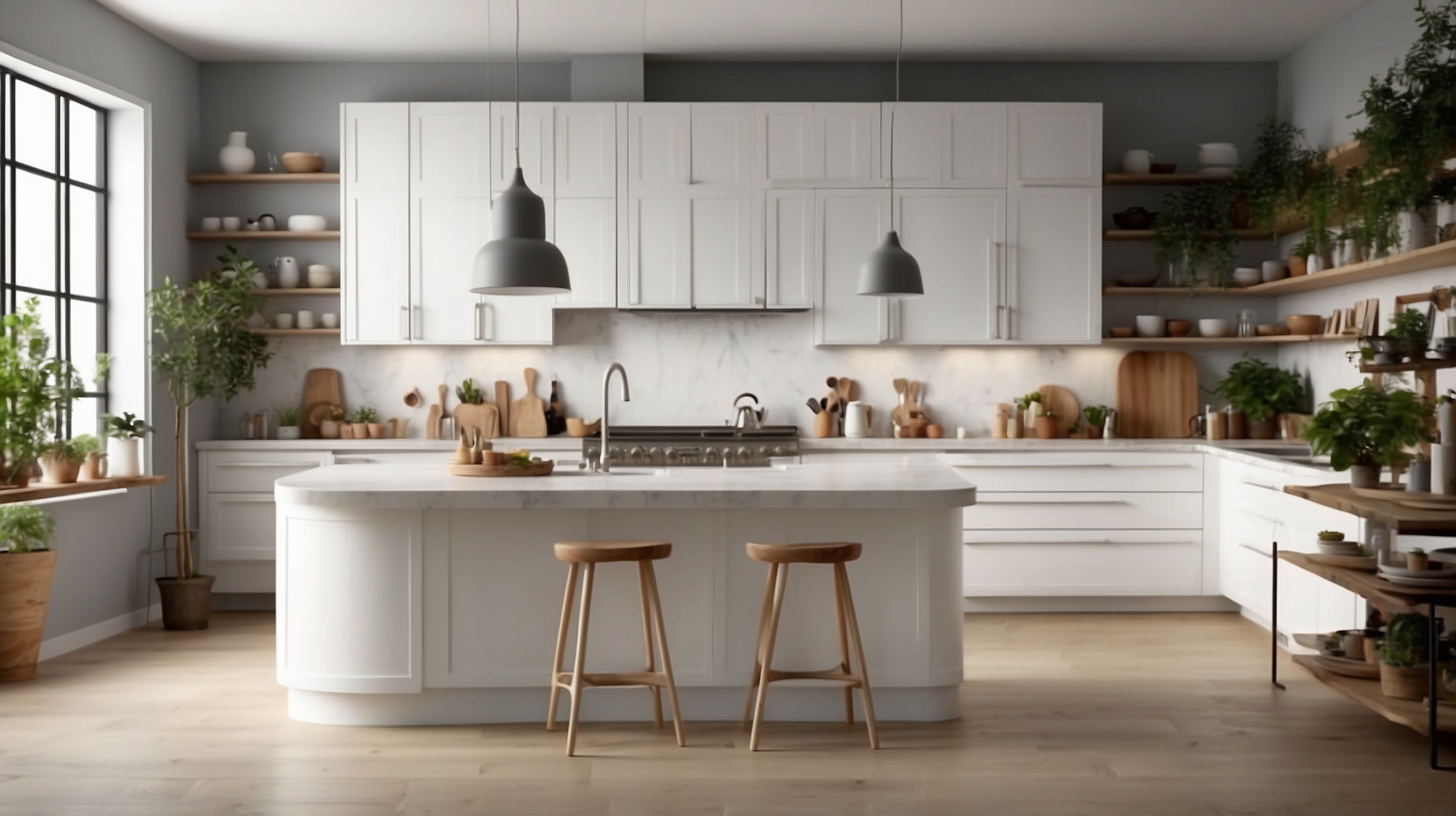
For decades, kitchen cabinets have been the backbone of home design, representing not only storage space but also personal style and practicality. They lined our walls, defined our spaces, and often made or broke a kitchen’s aesthetic. Yet, in 2024, a silent revolution is reshaping what we think is essential in a modern culinary space—one that’s not only functional but also significantly more affordable and sustainable.
The new trend sweeping homes around the globe is about eliminating traditional kitchen cabinets altogether. Instead, homeowners are turning to open shelves and modular alternatives that don’t warp, swell, or attract mold over time. It’s not just a passing Pinterest fad—this is a robust design movement driven by practical benefits and stylish versatility, and it’s changing everything about how we think kitchens should be built.
What’s fueling this seismic shift? A confluence of environmental concerns, skyrocketing material costs, minimalist design sensibilities, and the frustration with cumbersome cabinetry that can immediately date a home. The result? A sleek, open concept that feels airier, costs less, and offers unprecedented flexibility.
Overview: The shift away from traditional kitchen cabinets
| New Design Trend | Open shelving and modular alternatives to traditional cabinets |
| Main Benefits | Lower cost, zero warping/swell issues, improved airflow, better mold resistance |
| Ideal For | Budget-conscious homeowners, minimalist designers, small space living |
| Materials Used | Metal frames, glass, treated wood alternatives, steel, powder-coated open frames |
| Estimated Cost | Up to 60% cheaper than traditional kitchen cabinet installations |
| Maintenance Needs | Minimal; easy to clean and resistant to moisture damage |
Why traditional cabinets are being left behind
The standard kitchen cabinet, so long a staple of home interiors, is facing widespread abandonment. Why? Because they’re expensive, vulnerable to damage, and increasingly seen as outdated. Most cabinets are made from engineered wood or MDF, which can warp or swell when exposed to moisture over time. Even treated units often degrade, particularly in humid environments.
Aside from their vulnerability, traditional cabinets also cost a fortune. From labor-intensive installations to premium materials, it’s not uncommon to spend tens of thousands of dollars just on cabinetry. As housing costs rise and minimalism grows in popularity, homeowners are starting to question these hefty investments.
“Homeowners are looking for smarter, more breathable kitchen spaces. They don’t want to feel locked into rigid cabinetry that limits flexibility.”
— Araya N., Interior Design Consultant
The rise of open shelving and metal kitchen modules
In place of traditional cabinets, modular metal frames and open shelving units have emerged. These elements are often made from powder-coated steel or rust-resistant metals, providing a much more durable and moisture-tolerant solution. They also encourage airflow, which reduces the risk of mold build-up and makes cleaning a breeze.
For those who enjoy customizing their space, open shelving offers more visibility and access. Your mugs, plates, and spice jars become part of the kitchen decor, showcasing personality while enhancing usability. Glass and wood elements can also be mixed in for warmth, preventing the aesthetic from becoming too industrial.
These solutions are not only utilitarian but also stylish. They reflect the ongoing design shift away from maximalist, heavy, and ornate interiors towards light, airy, and customized spaces that reflect a modern lifestyle.
Environmental implications of ditching traditional cabinetry
Another major driver behind the shifting trend is sustainability. Traditional cabinets often contain toxic adhesives and materials that are non-recyclable. Their production has a significant environmental impact, consuming large volumes of wood and contributing to landfill waste every year due to wear, damage, or changing fashions.
In contrast, modular and open kitchen storage solutions are often more sustainable. They use recyclable or reusable materials, reduce overall wood usage, and eliminate many of the harmful glues and finishes found in old-style cabinetry.
“Sustainability isn’t just a buzzword—people really care about making decisions that help the planet. Functional, low-impact design is a top priority now.”
— Kritsana M., Environmental Architect
Cost savings that go beyond materials
Traditional kitchen cabinets don’t just burn holes in wallets because of materials. Labor, installation complexity, and hidden costs like trim, hardware, and finish upgrades can quickly inflate your final budget. Open and modular systems, on the other hand, are vastly simpler to install, often DIY-friendly, and only require basic tools.
This means faster installation times, lower professional fees, and reduced construction disruption. On a tight budget? Metal modular units can be added piece by piece, rather than all at once, offering much more financial flexibility.
Winners and losers in this design revolution
| Winners | Losers |
|---|---|
| Budget-conscious homeowners | Traditional cabinet makers |
| Small space dwellers and renters | Interior designs relying on bulky cabinetry |
| Eco-conscious consumers | High-end cabinet retailers |
| Fans of minimalism | Overdesigned luxury kitchens |
Design flexibility and space optimization
The new trend doesn’t just save space—it lets you redefine it. With open shelving, you can adjust heights, review your inventory at a glance, and even use vertical space in smarter ways. For small kitchens, this is a game-changer.
Corner shelves, hanging rods, and wall hooks bring previously unusable areas into play. Mobile kitchen stations on wheels allow you to adapt your layout depending on what you’re cooking or how many people are over.
Whether you live in a studio or a family home, removing traditional cabinetry opens new design possibilities you may never have imagined.
What changed this year
While open shelving has been around for years, 2024 marked its transformation from niche to mainstream. Soaring lumber prices, increasing rent, and supply chain challenges made bespoke cabinet builds unrealistic for many. As a result, do-it-yourself-friendly, modular setups emerged as widely preferred solutions.
Add to that the influence of global design trends like Japandi, industrial minimalism, and utilitarian chic, and the timing was perfect. Interiors moved away from maximalism toward open, editable, and eco-forward materials.
“The market has shifted because tastes have matured. People are no longer impressed by ornate cabinetry—they crave utility and simplicity.”
— Laila P., Furniture Brand Strategist
How to get started in your own kitchen
- Take stock of what you really use: Minimalism is as much philosophical as it is aesthetic.
- Sketch your layout: Consider wall-mounted rods, metal shelves, and accessible corner units.
- Start small: You don’t need to gut your whole kitchen. Try replacing upper cabinets first.
- Choose materials wisely: Go for powder-coated metals, galvanized steel, or PVC-composite finishes.
- Incorporate texture: Mix in some wooden elements or colored backdrops to prevent a sterile look.
- Think modular: Choose items you can easily uninstall or relocate as needed.
Frequently Asked Questions
Is removing kitchen cabinets suitable for every home?
Not necessarily. While many homes benefit from the open shelving trend, very large kitchens or families with extensive storage needs might still find traditional cabinets useful in some areas.
How much can I expect to save with open shelving?
Homeowners can expect to save up to 60% compared to traditional cabinet builds, depending on materials and labor costs avoided.
Are metal frames safe for food areas?
Yes. Most modular metal systems used for open shelving are treated and coated to resist rust and bacterial buildup—ideal in a kitchen environment.
Can I mix open shelving with a few cabinets?
Absolutely. Many homeowners blend styles for the best of both worlds—using open shelves up top and enclosed storage below.
Will this trend hurt my home’s resale value?
On the contrary, minimalist and modern kitchen designs are increasingly appealing to younger buyers looking for airy and customized layouts.
What if I want to hide clutter without cabinets?
Storage boxes, baskets, and fabric curtains can conceal items on open shelves effectively while maintaining a clean appearance.
Do I need a professional installer?
Most open shelving systems are DIY-friendly, but professional help may be beneficial for larger metal frames or wall anchor installation.
Is this trend here to stay?
All signs point to yes. As materials evolve and sustainable design becomes standard, cabinet-free kitchens are likely to become even more popular in years to come.