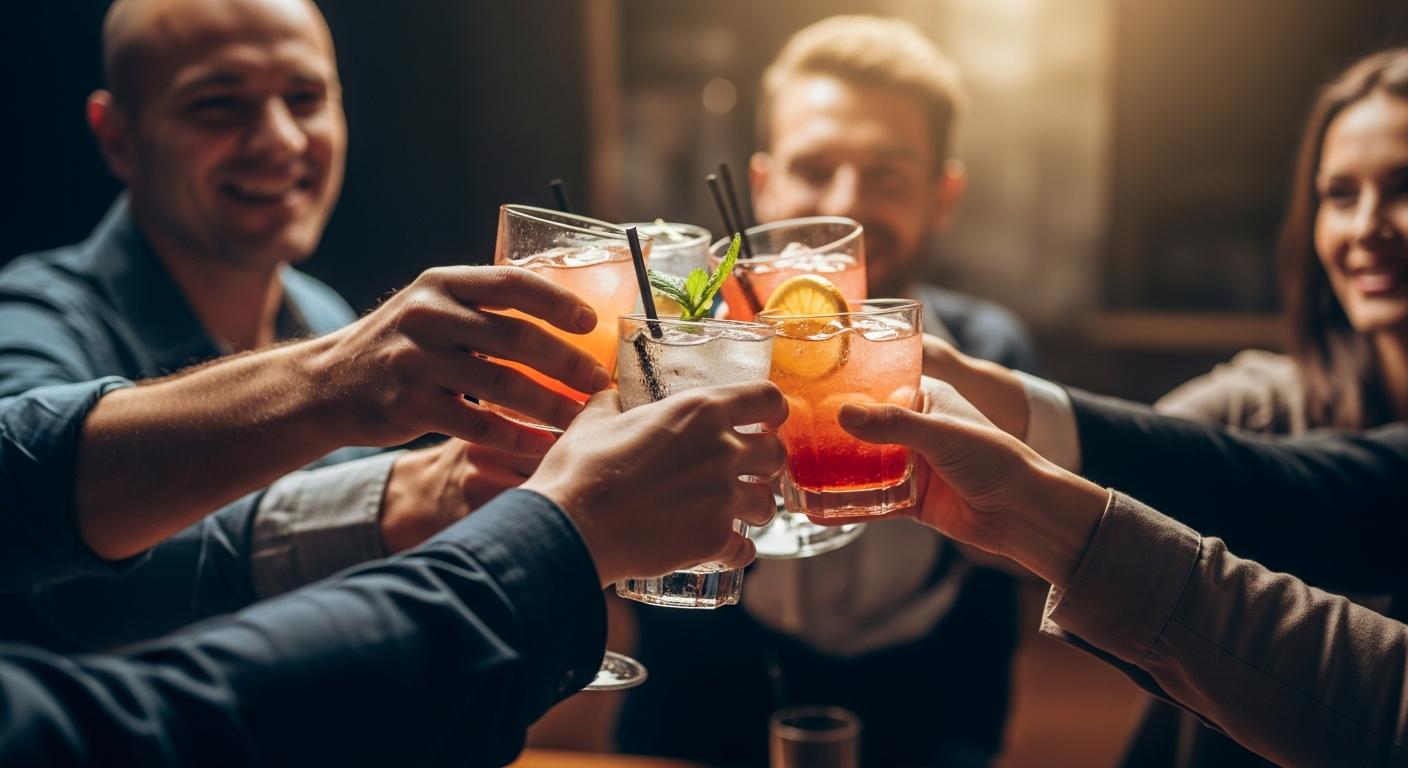
When we picture the ideal formula for a long life, we often conjure images of daily jogging routines, kale smoothies, meditation schedules, and early bedtimes. But what if the secret to longevity wasn’t found in leafy greens or fitness trackers, but instead in dazzling lights, cheerful music, and a packed dance floor? Recent scientific insights are upending traditional understandings of wellness and aging by suggesting that people who regularly go out to socialize—especially partygoers—may live longer, healthier lives than their more introverted counterparts.
Yes, you read that right. Science now proposes that letting loose and having fun might not be just harmless indulgence, but rather a form of wellness in disguise. A groundbreaking study compiled data from over 5,000 individuals and uncovered an intriguing association between social activity—especially in the form of parties or communal gatherings—and increased life expectancy. The findings are sparking curiosity, adding a new dimension to how society perceives aging, social ties, and well-being.
It turns out that being the life of the party may translate to greater satisfaction, better health outcomes, and lower chronic stress over time. But how? And is it all just about fun, or does science have more to say?
Understanding the social-longevity link
| Aspect | Details |
|---|---|
| Study Base | Over 5,000 participants aged 30 to 80 |
| Core Finding | Partygoers and frequent socializers showed higher life expectancy |
| Key Behaviors | Socializing, dancing, engaging in group activities |
| Health Markers | Lower cortisol, improved heart health, better sleep |
| Psychological Impact | Reduced stress, better mood, higher life satisfaction |
How mixing fun with social engagement boosts lifespan
Behind the sparkle of nightlife and social events lies a rich network of psychological and physiological benefits. When people gather in a group setting—particularly in a festive environment—they experience elevated levels of endorphins, dopamine, and oxytocin. These chemicals, associated with joy, bonding, and stress reduction, don’t just make us feel good—they actively contribute to long-term physical health.
Frequent attendance at social events often correlates with decreased levels of cortisol, a stress hormone linked to heart disease, weight gain, and memory problems. Participants also reported better sleep patterns and overall more consistent circadian rhythms, likely due to the emotional decompression that comes from fun and community connection.
“Social vitality is one of the strongest predictors of aging well. People who consistently connect and actively participate in community events tend to live longer and report better health.”
— Dr. Naveen Muang, Public Health Specialist
The power of dancing and movement
One of the most overlooked benefits of partying is the element of spontaneous movement—particularly dancing. Unlike structured workouts, dancing during parties provides cardiovascular benefits without the mental strain of regimented fitness routines, making it ideal for older adults and those with limited mobility experience.
According to the study, partygoers who engaged in dancing two or three times a week showed alarmingly better agility, joint flexibility, and reduced risk of muscular atrophy. The physical side of social festivities is more than just fun—it’s functional wellness in motion.
“Dance is a full-body workout that disguises itself as play. It’s one of the most sustainable forms of physical activity at any age.”
— Thanya K., Movement Therapist
Why emotional connectedness matters
Attending social events regularly fosters strong interpersonal relationships, a factor long known to significantly influence overall well-being. Loneliness and social isolation have been declared public health risks in recent years, with studies equating their long-term health impact to that of smoking or obesity.
By contrast, the emotional intimacy built through shared experiences—including singing, laughing, storytelling, or simply being in a crowd—can help reduce the likelihood of depression and anxiety, especially in older adults. In other words, happiness shared is health multiplied.
Community engagement as a public health strategy
Given these findings, there’s a growing argument for introducing programs that actively encourage social participation—not just for entertainment, but as a targeted preventive health strategy. In some urban pilot programs, “socializing prescriptions” where patients are encouraged to join dance clubs or evening groups have proven to reduce long-term medication dependency.
Local governments and healthcare providers may soon re-evaluate how they advocate for health, possibly incorporating leisure-based community events into official wellness promotion channels.
“The public health sector should recognize joyful living as a legitimate form of preventative care. We need new benchmarks for what’s considered healthy behavior.”
— Dr. Jittima Wong, Social Epidemiologist
Who benefits most from socializing regularly
The positive impact of socializing appears to be consistent across genders and most age groups, but especially pronounced among older adults and single individuals. In the absence of a spouse or close family, friends formed within party and community settings act as essential social support structures, amplifying their mental resilience and sense of purpose.
Introverts don’t miss out, either. The study noted that individuals who were less naturally sociable but made the effort to participate still gained significant health benefits, particularly in stress management and immune system performance.
Winners and potential downsides
| Group | Impact |
|---|---|
| Frequent socializers | Higher life expectancy, more robust cardiovascular and mental health |
| Older adults | Major stress relief and emotional benefit; lower isolation risk |
| Community health programs | Potential to reduce healthcare burden via preventive measures |
| Chronic partygoers with substance issues | Risk of overindulgence; importance of balance noted |
Key considerations for safe and healthy celebration
While celebration is good for health, moderation remains key. Experts warn that the beneficial aspects stem from the social and physical exercise components—not from substance use or sleep disruption. Ensuring environments are inclusive, supportive, and offer alcohol-free options aids in maximizing benefits while eliminating health risks.
The future of health includes joy
This scientific nudge toward fun doesn’t just endorse the occasional party—it redefines what healthy behavior looks like in society. The old paradigm of health as restriction and avoidance is giving way to a more holistic and human-centered view: real health integrates joy, rhythm, connection, and expression.
Doctors, wellness experts, and policymakers are beginning to view joy as measurable medicine—and culturally resonant modes of happiness like communal celebration may be at the forefront of health evolution in coming years.
Frequently asked questions about socializing and lifespan
Does going to parties really help you live longer?
Yes, studies show regular socializing can improve longevity by reducing chronic stress, enhancing mood, and encouraging physical movement.
Are the benefits only from the physical activity of dancing?
Not at all. While movement helps, the emotional bonding and stress relief from social gatherings are equally important.
Can introverts benefit from parties too?
Yes, even occasional participation by less sociable individuals showed measurable health benefits.
Is alcohol necessary for these social benefits?
No. The benefits come from social connection and fun—not substance use. Alcohol-free gatherings are just as beneficial.
What age group gains the most from socializing?
Older adults, particularly those living alone, show the most significant improvements in health and well-being.
How often should someone socialize to gain benefits?
As little as two to three events per month can yield noticeable improvements, though regular weekly interactions are ideal.
Can socializing really reduce the need for medication?
In some pilot studies, participants reduced anxiety and depression medications after joining community social programs.
How do I start if I don’t already attend social events?
Start with local hobby groups, music venues, dance clubs, or community meetups offered in your area—find what feels comfortable to you.