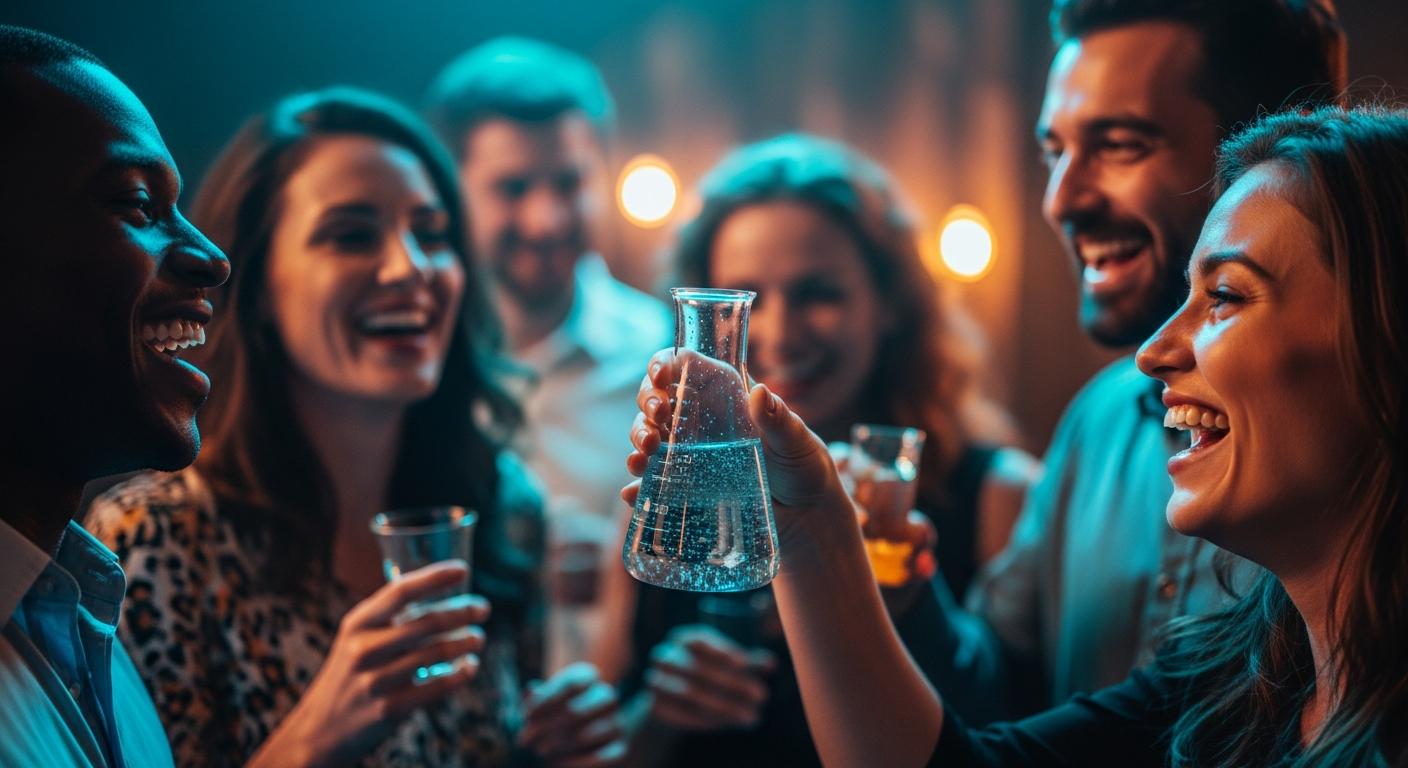
It’s easy to assume that a lifestyle of constant partying might be detrimental to long-term health. The late nights, loud music, and perhaps a few too many drinks sound far from a recipe for longevity. Yet, science is once again flipping our expectations. A new study has revealed that **partygoers—those who regularly indulge in social events and celebrations—may actually have a longer-than-average life expectancy.** That’s right: joining the fun could be doing your body and brain more good than harm.
When we visualize someone who lives longest, we often imagine serene gardens, quiet routines, and perhaps afternoon tea—not tequila shots and karaoke. But the reality offered by new scientific findings challenges this imagery. Instead of stress-inducing isolation, it turns out that social companionship, music, laughter, and even dancing may have tangible, life-extending benefits when done in balance. Let’s explore how fun and festivity connect with the science of longevity and what mechanisms may explain this surprising association.
What the study reveals about partygoers and life expectancy
| Aspect | Finding/Detail |
|---|---|
| Study Focus | Life expectancy in adults with active social and party lifestyles |
| Main Outcome | Higher-than-average life expectancy linked with regular social activity |
| Common Behaviors | Frequent social events, music engagement, dancing, emotional sharing |
| Health Benefits Noted | Lower stress, improved cognitive function, enhanced immunity |
| Risks Observed | Excessive alcohol consumption, irregular sleep patterns |
| Bottom Line | Controlled and positive social engagement may contribute to living longer |
Why socializing could be the unexpected key to longevity
At the core of this discussion is the powerful role of **social connection**. Numerous studies over the past decades have shown that people with strong social bonds tend to live longer. Researchers now believe that the uplifting effect of parties—that boost of connection one gets from mingling, laughing, and being surrounded by camaraderie—works similarly.
Being socially active helps reduce levels of cortisol, the hormone released in response to stress. Chronically high cortisol levels are associated with a host of problems including cardiovascular disease, anxiety, and inflammation. So, when you step onto the dance floor or strike up a lighthearted conversation at a gathering, you’re not just easing your mind—you may actually be protecting your heart and immune system.
The physiological benefits of music, movement, and mirth
Beyond social contact, the **sensory and physical experiences** of parties also play an important role. Music stimulates the brain’s reward circuits, leading to the release of dopamine—a chemical associated with pleasure and motivation. Dancing, likewise, combines the benefits of physical exercise with the emotional lifting power of rhythm, facilitating improved circulation, flexibility, and even memory.
Moreover, emotional expression—common at parties or gatherings—allows people to share burdens, process feelings, and laugh together. Laughter itself is well-documented to reduce stress, boost immunity, and protect the cardiovascular system. The act of being in a fun, emotionally freeing environment can relieve pent-up anxiety and lead to long-term health benefits.
“Laughter and active engagement in social events are crucial for emotional balance. We underestimate how these elements reduce health risks.”
— Dr. Miriam Lee, Behavioral Health Specialist
The important catch: moderation and awareness
Of course, the health benefits of partying depend heavily on **moderation**. Not all partying is beneficial. When social events lead to habits like heavy alcohol consumption, smoking, drug use, or dangerously low sleep, the risks outweigh the rewards. It’s the *style* of socializing that appears to matter most.
The healthiest partygoers are those who maintain a balance between excitement and regulation. They may be the first on the dance floor, but they stay hydrated, manage their alcohol intake, and ensure they get quality sleep afterward. This conscious balance enables them to gain the social and emotional advantages of a party lifestyle without suffering the physiological detriments of overindulgence.
“Enjoying music, movement, and people doesn’t have to mean sacrificing health—it’s all about intentional celebration.”
— Dr. Rafael Montoya, Public Health Expert
Who benefits the most from regular social festivities
Interestingly, the study also points toward certain individuals who seem to get **maximum benefit** from this lifestyle. Older adults especially show marked improvements in mood, energy, and even memory when they engage in regular social events. For seniors, dancing and fun not only add joy to life—they appear to preserve neurological and cardiovascular health.
Younger audiences also benefit, although their system is more resilient regardless. However, millennial and Gen Z participants reported stronger emotional regulation and reduced loneliness when they engaged in group-based fun activities regularly.
Winners and losers in the party-versus-longevity equation
| Group | Expected Outcome |
|---|---|
| Moderate Partygoers | Increased life satisfaction and potentially longer lifespan |
| Non-social individuals | Higher risk for depression, cognitive decline, and earlier mortality |
| Excessive Partiers (Heavy substance use) | Increased health risks, potential for reduced life expectancy |
| Physically active socializers (e.g., dancers) | Improved fitness and cognitive benefits |
How to incorporate joyful socializing into your life
Not everyone considers themselves a party person—but you don’t have to be to enjoy the benefits. Organizing small get-togethers, attending community events, joining music or dance classes, or just planning regular dinners with friends can mirror the effects of large parties. The trick is to **prioritize consistent, joyful social engagement.**
If you’re introverted, start small: a monthly brunch with close friends, joining a book club, or attending local music nights can offer meaningful social interactions. It’s not about size or volume—it’s about emotional presence and participation.
Simple steps to make the most of your social life for longevity
- Join a social group that matches your interests (music, dance, cooking)
- Balance exertion with rest—know your social limits
- Choose environments with energetic but safe atmospheres
- Hydrate and limit substances when partying
- Seek emotional connection, not just thrill or noise
- Build weekly or monthly routines around social enjoyment
Frequently Asked Questions
Does partying really help you live longer?
According to the study, social engagement associated with moderate partying may contribute to increased life expectancy due to reduced stress and improved emotional health.
What kind of partying is considered healthy?
A balanced approach that includes social bonding, dancing, music, and enjoyment without reliance on excessive alcohol or extreme behavior is considered beneficial.
Is it better to attend small gatherings instead of big parties?
Both offer benefits, but for introverts or those sensitive to stimulation, small gatherings may provide the same emotional uplift in a more comfortable setting.
Can dancing actually improve brain health?
Yes. Studies show dancing enhances memory, coordination, and neural connectivity—especially in older adults.
Should seniors continue attending parties?
Absolutely. Age-appropriate social events have been shown to boost longevity and reduce risk of cognitive decline in seniors.
What are the risks of excessive partying?
Overparty lifestyles that include substance abuse, irregular sleep, and chronic stress can lead to health problems and reduced life expectancy.
Can introverts also benefit from social engagement?
Yes. Even low-frequency, meaningful social interactions improve emotional health and decrease loneliness. It’s the quality, not quantity.
Is partying a substitute for traditional health habits?
No. It’s a complement. Regular exercise, good nutrition, and medical care remain foundational, but social joy can significantly enhance overall well-being.