Keeping food fresh longer is one of the key concerns for any household. With busy schedules and rising grocery costs, the last thing anyone wants is to throw away spoiled produce, dairy, or leftovers due to improper storage. Yet many people overlook one of the most effortless and cost-free ways to significantly prolong the shelf life of perishable foods — a simple kitchen habit involving just a dry cloth or paper towel. Surprisingly, this tip doesn’t require high-end containers, vacuum sealing machines, or specialized tools. And it could save hundreds of dollars each year if implemented consistently.
This little-known trick emerged as a food preservation game-changer due to its simplicity and effectiveness. As it turns out, how you store your fresh produce and cooked meals can matter just as much as where you store them. The real magic lies in understanding which humidity conditions cause food to spoil and taking active steps to reduce moisture accumulation, especially in your storage containers and refrigerators. Here’s a breakdown of how this process works — and how you can apply it today to reduce spoilage and cut down on food waste.
| Overview | Details |
|---|---|
| Topic | How a simple cloth or paper towel extends food freshness |
| Main Benefit | Slows down food spoilage by reducing condensation and bacteria growth |
| Tools Used | Clean kitchen towel or plain paper towels |
| Applies To | Fruit, vegetables, cooked food, leftovers, leafy greens |
| Storage Areas | Refrigerators, storage containers, produce drawers |
Why moisture is the hidden enemy of food storage
Many people unknowingly create an ideal environment for bacteria and mold by sealing their food in containers that trap moisture. The excess humidity encourages fast bacterial growth, which dramatically reduces how long your food stays fresh. Condensation forms when warm food is stored prematurely or when air-tight containers don’t allow circulation. Over time, this internal moisture builds up and leads to a soggy, spoiled mess — especially with leafy greens and cut fruits.
This problem isn’t limited to leftovers alone. Fresh produce like carrots, lettuce, herbs, and berries are particularly vulnerable. Even within the crisper drawer of a fridge, different produce release varying amounts of moisture. Without an absorbent barrier, this damp environment becomes a breeding ground for microbial spoilage.
The genius behind using a cloth or paper towel
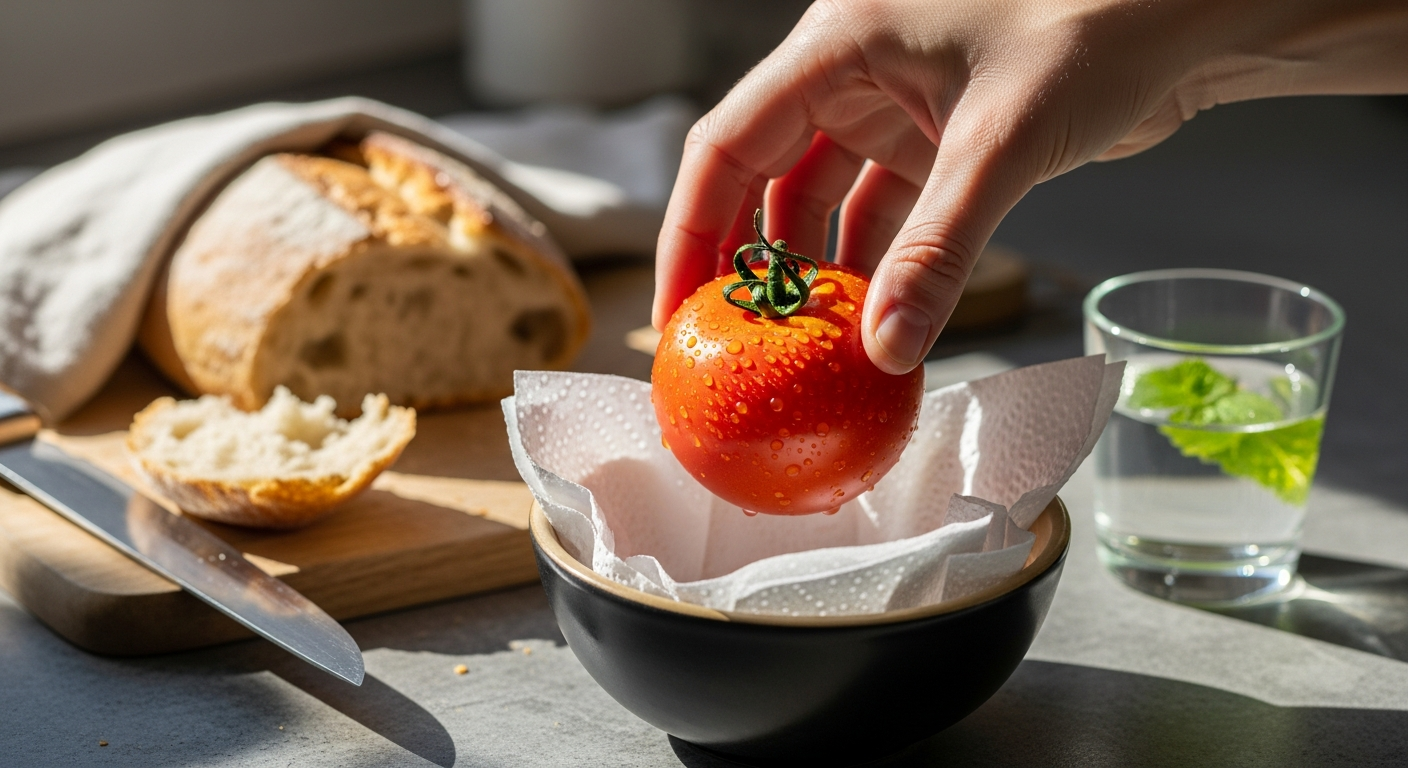
The solution? A simple trick: place a clean kitchen towel or a folded paper towel at the bottom of your food storage containers or wrapping layers when refrigerating. This absorbent surface catches excess moisture and prevents it from settling around the food. The result is a stabilizing micro-environment that keeps humidity levels in check — long enough to stop bacteria, mold, and rot from taking hold.
This habit relies on something most kitchens already have and costs virtually nothing to adopt. A dry paper towel inserted inside a produce bag or placed underneath leftovers captures condensation that would otherwise collect in the container. It’s not limited to any type of food either. Whether you’re storing stir-fry in a glass Tupperware or berries in an open basket inside your fridge, this method can dramatically slow down food degradation.
Where and how to implement this habit
You can start using this technique in several common fridge zones and containers. Here are some of the best opportunities to use this habit effectively:
- Leafy greens (lettuce, spinach, herbs): After rinsing, dry thoroughly, wrap in a dry paper towel, and place in a zip-lock bag or plastic container.
- Tomatoes, carrots, broccoli: Remove any excess moisture before storing. Line your veggie drawer with paper towels to absorb any natural juice or condensation.
- Berries: Line berry containers with a piece of paper towel underneath and on top. Keep the lid slightly ajar for air circulation.
- Cooked dishes and leftovers: Let food cool before storing. Then place a towel in the bottom of the container to absorb steam condensation inside the lid.
- Bread storage: If storing bread in a container or bag, throw in a clean dry napkin or towel to soak up humidity that leads to mold.
Long-term benefits to households
Embracing this small habit can have outsized results. The typical U.S. household throws away over $1,500 of spoiled food annually, often due to early spoilage or mismanaged storage. A modest dampness-controlling strategy like this helps avoid premature waste and extends the shelf life of your groceries by several days — or up to weeks for hardier vegetables.
Moreover, this method can alleviate the burden on households looking to eat out less and cook more at home. With food staying fresh longer, you reduce the pressure to constantly check expiry dates or rush to consume perishables. You may even notice better tasting meals, since properly stored vegetables retain their crispness and flavor longer after shopping.
When stores and packaging aren’t enough
Many people assume grocery store-packaged foods come ready for fridge storage — when in fact, they often arrive sealed in moisture-retaining plastic. Unless addressed, this packaging accelerates spoilage. A simple cloth placed in the storage container interrupts this cycle. It also means less direct dependence on plastic wrap or silicone storage lids that may trap condensation inside.
Reusable cloth towels also offer a sustainable solution. Instead of using disposable paper towels, you can invest in washable microfiber kitchen cloths as a long-term alternative. These not only perform just as well but are eco-conscious and budget-friendly over time.
When not to use the method
While shockingly effective for most perishables, this towel technique has its limits. For example, mushrooms tend to do better in paper bags without excessive touching — inserting damp cloth around them might encourage mold. Similarly, very high-moisture items like cucumbers need breathable storage more than absorption. Watching for signs such as towel saturation or mildew will help avoid misuse.
Pairing towel usage with smart fridge practices
To maximize this method’s impact, combine it with common sense storage strategies. Always allow cooked foods to fully cool before refrigeration. Wipe down condensation rings or build-up inside the fridge weekly, and maintain a consistent refrigerator temperature of ~37–40°F. Also, keep ethylene-producing fruits like apples away from sensitive greens to avoid premature ripening.
Using a towel to maintain air quality in confined containers is most effective when humidity is monitored. You may also rotate towels every 2 to 3 days if they become saturated, especially with juicy produce. Replacing or drying the cloth ensures their absorptive qualities remain intact without creating mold risks.
| Winners (benefit most) | Losers (less effective usage) |
|---|---|
| Leafy greens, herbs, berries, leftovers, cooked meals | Mushrooms, cucumbers, some tropical fruits |
| Frugal shoppers looking to reduce waste | High-moisture foods stored for long without changing towels |
Final takeaway
Food preservation doesn’t need to involve expensive vacuum sealers or techy gadgets. Sometimes, a well-placed paper towel or cloth is enough to increase the shelf life of fresh ingredients and leftovers. By regularly adopting this easy tip, households can reduce waste, improve nutrition, and save money — all with something they likely already have in their kitchen drawers.
How does a paper towel help keep food fresh?
It absorbs excess moisture inside containers or packaging, preventing condensation that causes bacteria and spoilage.
Which foods benefit most from this habit?
Leafy greens, fresh herbs, berries, and leftover foods are the top items that stay fresh longer using this method.
Can I reuse the same cloth towel for different foods?
No, it’s best to use separate clean cloths for different foods to avoid cross-contamination.
How often should I replace the towels?
Every 2–3 days, or sooner if the towel becomes saturated to prevent mold growth.
Does this trick work for dry pantry items?
No, this technique is most effective for refrigerated food with higher moisture content.
Is this technique safe for children’s lunchboxes?
Yes, placing a dry napkin inside a lunchbox can help reduce moisture from warm, freshly packed food.
Do I need to wash the cloth towels regularly?
Yes, wash them after each use to prevent bacteria buildup and reusable lifespan.
Can this method replace vacuum sealing?
No, but it offers an accessible and effective alternative for short-term freshness extension without special tools.