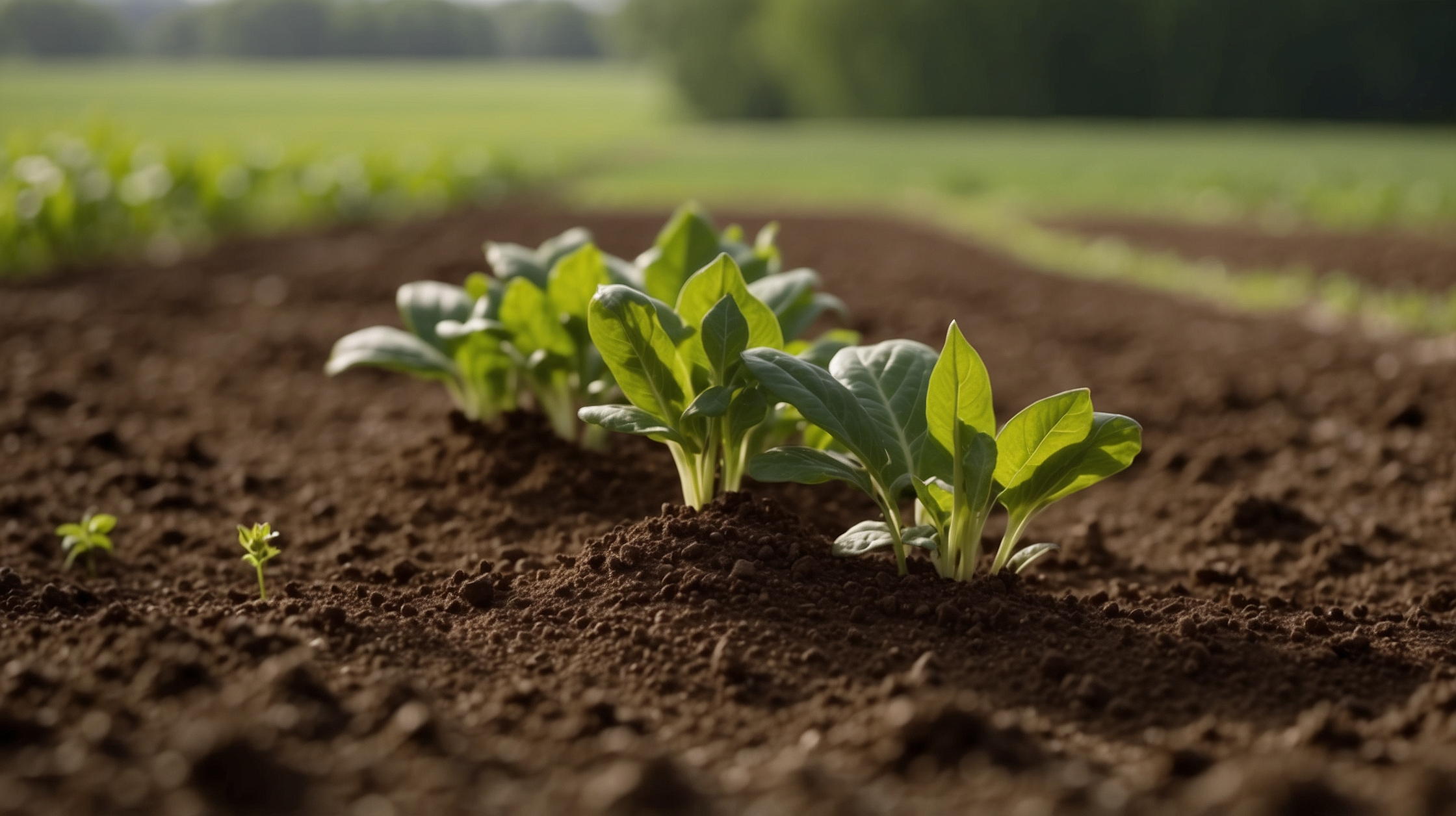
As the snow melts and the first signs of spring begin to bud, gardeners across the country are dusting off their gloves and rolling up their sleeves. The thrilling anticipation of a new growing season brings with it an age-old truth: healthy soil is the foundation of a productive vegetable garden. Whether you’re nurturing tomatoes in raised beds or coaxing carrots from backyard plots, what you do to your soil in early spring can determine the shape of your harvest months down the road.
Fertilizing the soil isn’t just about throwing down a handful of compost or a few granules of synthetic pellets. It’s a carefully timed practice that’s as much science as it is art. The renewal of soil life, unlocking of nutrients, and balance of microbes all revolve around what you feed your soil—and when. As more gardeners begin to understand the value of organic and sustainable practices, preparing the right soil diet in spring has never been more crucial.
So how can you energize your soil in a way that supports lush, resilient vegetables throughout the growing season? Drawing from insights and agronomic best practices, here’s what you need to know to fertilize your soil effectively and foster a thriving, bountiful garden.
Key points every gardener should know about spring fertilizing
| Topic | Details |
|---|---|
| Ideal timing | 2–3 weeks before planting |
| Fertilizer types | Organic compost, balanced granular fertilizers, manure |
| Testing soil first | Recommended every 2–3 years |
| Common nutrients | Nitrogen (N), Phosphorus (P), Potassium (K) |
| Application method | Till into top 6-8 inches or side-dress after planting |
| Organic options | Compost, worm castings, aged manure, bone meal |
| Immediate benefits | Improves soil structure and jumpstarts microbial activity |
Why spring is the best time for fertilizing your garden soil
As soil temperatures begin to rise and the threat of frost wanes, the timing becomes perfect for awakening dormant nutrients. Fertilizing in spring gives garden beds the essential building blocks they need to prepare for seeding and rapid plant growth. This window—typically 2 to 3 weeks before planting—is ideal because it allows nutrients to begin integrating into the soil and interacting with microbial life.
By addressing your garden’s nutritional needs early, you establish a buffer against common planting mistakes and mitigate nutrient deficiencies before they happen. Naturally, this proactive approach also supports deeper roots, stronger stems, and better yields later in the season.
What type of fertilizers work best in early spring
The golden rule of spring fertilizing is to use **slow-release, balanced nutrition**. Organic compost ranks high because it stimulates microbial life and enhances soil texture while adding small amounts of nutrients. Aged manure and leaf mulch are classics—but make sure they’re **well-decomposed** to avoid root damage. Balanced granulated fertilizers (with equal parts N-P-K) can also be beneficial for jumpstarting growth.
Specialized formulations such as **bone meal (high in phosphorus)** help stimulate flowering and root development, while **blood meal or fish emulsion**, rich in nitrogen, supports leaf growth in greens like spinach and lettuce. The key is moderation—more fertilizer doesn’t mean better results. Over-fertilization can actually harm your plants and imbalance your soil’s ecosystem.
Step-by-step: How to apply fertilizers the right way
Getting the mechanics of application right ensures nutrients are distributed where your plants need them most. Follow this methodical approach:
- Test your soil: Use a home kit or send a sample to a lab. Knowing your pH and nutrient levels allows you to fine-tune input types and amounts.
- Clear winter debris: Remove old mulch, leaves, and weed remnants to access bare soil.
- Spread fertilizers evenly: Whether using compost, granular, or composted manure, broadcast a thin, even layer across the topsoil.
- Work it into the soil: Gently till or mix nutrients into the top 6–8 inches. Avoid deep digging as it disrupts microbial zones.
- Water lightly: This activates microbial activity and helps begin nutrient absorption into the root zone.
“The best time to build the health of soil is just before planting—not after. You want nutrients already moving when roots emerge.”
— Dr. Samuel K., Soil Biology Expert
The role of microbes and organic matter in soil health
Modern science has taught us that it’s not just about what we add, but who lives in our soil. Microbes play a critical role in converting organic matter into usable nutrients for plants. Adding fertilizers rich in **organic compounds** fosters a symbiotic relationship between plant roots and beneficial bacteria and fungi.
This network breaks down nutrients faster, anchors roots firmly, and even helps plants resist pests. By feeding your soil with natural amendments like **compost, worm castings, or seaweed extract**, you’re not only delivering nutrients—you’re cultivating an underground ecosystem.
Why soil testing should be your first step
While it may seem optional, **soil testing is one of the most valuable tasks** you can do before fertilizing. Every region—and every yard—is different in terms of pH, nutrient availability, and organic content. Testing helps avoid over-application, especially of phosphorus, which is already abundant in many soils but can harm waterways if overused.
By understanding exact deficiencies or imbalances, gardeners can apply targeted amendments—saving money and protecting the environment at the same time.
Common mistakes gardeners make when fertilizing in spring
Even seasoned green thumbs can make missteps when it comes to early fertilization. Here are a few to avoid:
- Applying fresh manure: Too “hot” for early roots and can lead to nitrogen burn.
- Skipping the soil test: Leads to random fixes instead of precise interventions.
- Using chemical fertilizers exclusively: Can degrade soil over time and reduce microbe diversity.
- Ignoring watering after application: Dry fertilizer often stays inert until moistened.
Successful spring gardening begins with **informed, deliberate action**. It’s about nurturing the soil, not just feeding it. Feeding without knowledge can lead to more harm than good.
Ideal fertilizers for popular spring crops
Different vegetables have different nutrient cravings, particularly early in their development cycle:
- Leafy greens: Nitrogen-rich compost or blood meal encourages lush growth.
- Tomatoes and peppers: Balanced fertilizers with extra phosphorus boost flowering and fruit setting.
- Root vegetables (carrots, beets): Low nitrogen, high phosphorus fertilizers promote root expansion.
- Legumes (peas, beans): Minimal fertilization needed; they fix their own nitrogen. Add potash-rich amendments to help growth.
Winners and losers from strategic soil fertilization
| Winners | Losers |
|---|---|
| Gardeners who soil test and use organics | Those who use raw manure or over-fertilize |
| Microbial-rich soil ecosystems | Soils with compaction or poor drainage |
| Early root development and yield | Plants exposed to nutrient burn from excess |
Frequently asked questions about spring soil fertilizing
When should I start fertilizing my garden soil in spring?
You should begin preparing your soil 2–3 weeks before planting. This gives time for nutrients to settle and activate before roots develop.
Can I fertilize if the soil is still cold?
It’s best to wait until soil temperatures reach 50–55°F. Cold soils can limit nutrient uptake and microbial activity.
Is compost alone enough for spring fertilization?
Compost is a great base, but depending on your soil’s nutrient levels, you may need to supplement with other organic or mineral fertilizers.
How can I test my soil at home?
Use a soil test kit from a garden center, or send a sample to a local extension office for a detailed analysis of pH and nutrient levels.
What’s the best fertilizer for new raised beds?
A mixture of compost, organic topsoil, and balanced 10-10-10 fertilizer will support most vegetables in new beds.
Can I use lawn fertilizer in my vegetable garden?
Generally no. Many lawn fertilizers contain herbicides and high nitrogen ratios unsuitable for vegetables.
What are signs my soil is over-fertilized?
Signs include yellowing or curling leaves, poor seed germination, salty crusts, and slowed plant growth.
Should I fertilize before or after rain?
Ideally, fertilize before light rain to help nutrients soak in. Avoid heavy rains that can wash fertilizers away.