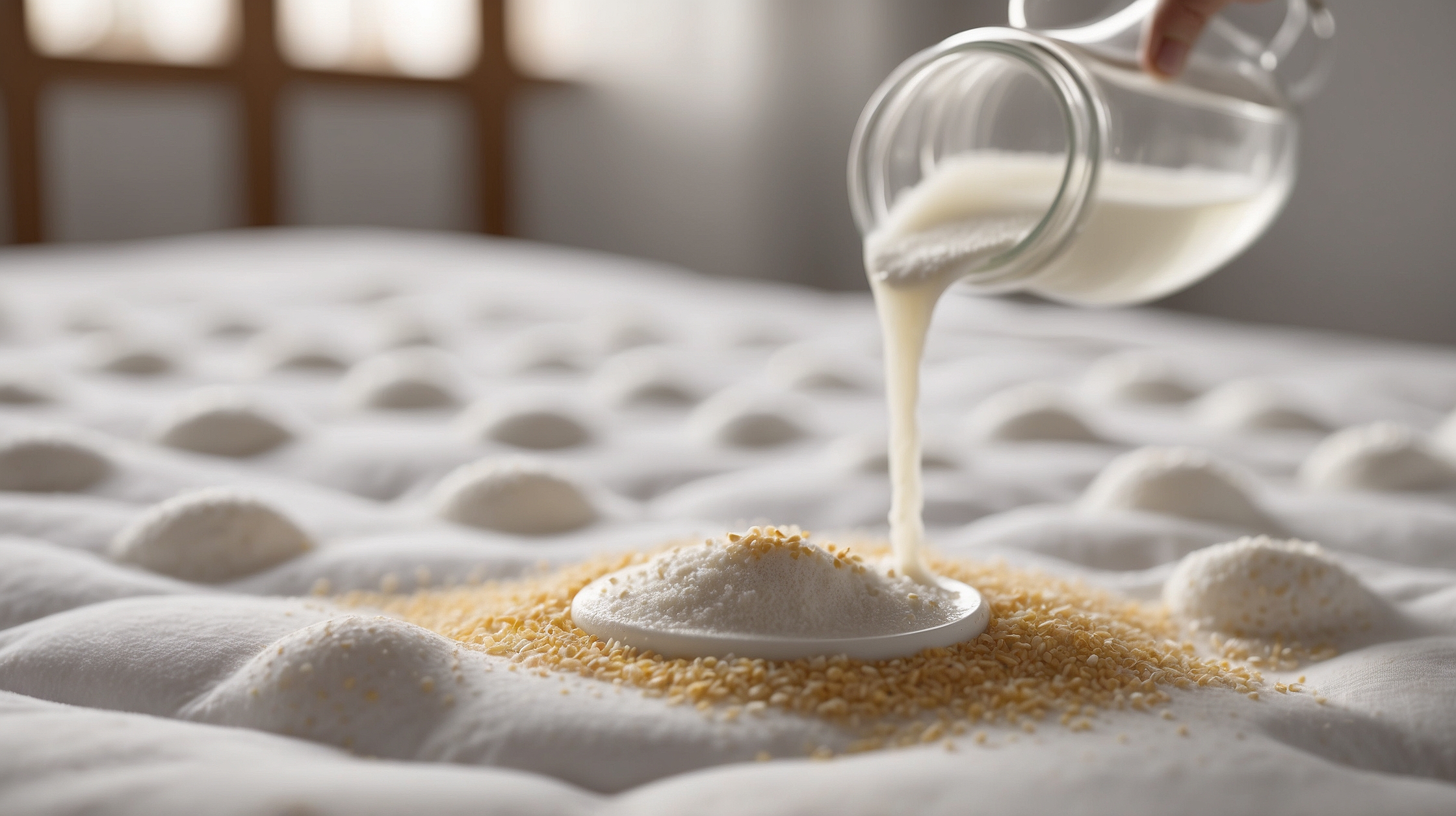
Every night, we retreat to our beds expecting to be greeted by comfort and cleanliness. But what if your mattress—despite fresh sheets and pillowcases—harbors a hidden world of dust mites, bacteria, and allergens? That’s an unsettling thought. Most people rarely think about cleaning their mattress, yet it’s where we spend nearly a third of our lives. Over time, sweat, skin particles, and environmental debris accumulate in the layers of your bed, potentially impacting your health and the quality of your sleep.
For years, deep mattress cleaning was considered a luxury or reserved for spring cleaning marathons. But recently, a simple, cost-effective, and chemical-free approach has taken the internet by storm: the baking soda method. This powerful yet gentle technique involves sprinkling baking soda on your mattress, allowing it to sit for about an hour, and then vacuuming it off. It seems almost too easy—but it’s backed by science and sleep hygiene experts alike.
As household awareness about cleanliness and allergens grows, more people are adopting this clever trick into their regular cleaning routines. It’s eco-friendly, affordable, and most importantly, effective. In this piece, we’ll explore why this method works, how to do it correctly, and how it compares with other mattress-cleaning strategies.
Quick overview of the baking soda mattress cleaning method
| Method Name | Baking Soda Mattress Cleaning |
| Time Required | 10 minutes prep, 1 hour resting time, 10 minutes cleanup |
| Main Ingredient | Baking soda (sodium bicarbonate) |
| Tools Needed | Vacuum cleaner, optional essential oils or sieve |
| Effectiveness | Great for odor removal, moisture absorption, mild stain lifting |
| Recommended Frequency | Once a month |
Why baking soda is your mattress’s best friend
At first glance, baking soda may seem like a humble pantry item, more likely to help with baking cookies than cleaning your bed. However, this naturally occurring compound is a mild alkali that reacts with acids and bases, making it a biochemical powerhouse when it comes to odor control and cleaning.
Baking soda doesn’t just mask smells—it neutralizes them. This is essential for mattresses that collect body oils and perspiration over time. It also has absorbent properties that help draw out moisture from deep within the layers, making it harder for mold and mildew to take root. For many allergy sufferers, reducing such triggers can make a significant difference in sleep quality.
“Baking soda works like a sponge for odors and bacteria embedded in the mattress fabric.”
— Dr. Angela Morris, Environmental Toxicologist
Step-by-step guide to deep-clean your mattress using baking soda
Ready to rejuvenate your mattress? Follow these simple steps to get started:
Strip the bed completely
Remove all bedding, including sheets, mattress protectors, and pillows. Use this opportunity to launder your linens in hot water to kill any dust mites or bacteria.
Vacuum the surface of your mattress
Use the upholstery attachment on your vacuum cleaner to remove any dust and crumbs. Pay extra attention to seams and crevices where debris often hides.
Sprinkle baking soda generously
Pour approximately one cup of baking soda into a sieve or sifter for more even distribution. Sprinkle the baking soda over the entire surface. If you want to enhance the aroma, add a couple of drops of essential oils like lavender or eucalyptus.
Wait at least one hour
Let the baking soda sit for at least an hour—more if possible. During this time, it will absorb moisture, oils, and odors embedded in the mattress fabric.
Vacuum again thoroughly
Carefully vacuum the baking soda from the mattress, using slow and overlapping strokes to ensure all residue is collected. Your mattress should now feel, look, and smell fresher.
Benefits that go beyond surface-level cleanliness
Cleaning your mattress with baking soda delivers several perks that extend past hygiene. One of the most overlooked aspects is the improvement in **indoor air quality**. A dusty, musty mattress can emit particles into the air every time you move at night.
Also, those who suffer from skin irritation or allergies can see improvements once allergens and irritants are removed from where they sleep every night. Add to that the psychological benefit of knowing your sleeping environment is cleaner, and it’s a win-win practice.
“Good sleep hygiene includes not just bedtime routines but ensuring the actual sleep environment supports health.”
— Dr. Karen Voss, Sleep Specialist
How it compares with professional mattress cleaning services
Professional cleaning companies use steam, UV light, or dry-cleaning methods to sanitize mattresses. These treatments can be effective but often come with a steep price tag. The baking soda method, on the other hand, costs mere cents per application and offers notable results for typical household needs.
| Method | Winner | Loser |
|---|---|---|
| Baking Soda Method | Affordable and Quick | Less effective on deep-set stains |
| Professional Cleaning | High-level sanitation and stain removal | Expensive and Inconvenient |
How often should you clean your mattress this way
Experts recommend doing a baking soda cleanse about once a month, or more frequently if allergies are a concern. For households with pets or small children, bi-weekly cleaning may be beneficial.
Over time, this habit will improve not only your sleep environment but potentially extend the life of your mattress. Just as regular oil changes keep your car in peak condition, consistent care ensures your mattress remains supportive and hygienic.
Extra tips for maintaining a clean and healthy mattress
- Use a waterproof mattress protector to prevent moisture buildup and spills.
- Rotate your mattress every 3–6 months to maintain even wear.
- Let your mattress air out when changing sheets.
- Avoid eating or drinking on the bed to minimize risks of stains or crumbs.
“Your mattress is an investment in health. Caring for it regularly is essential to reap the benefits long term.”
— Jonathan Lee, Home Hygiene Consultant
Frequently asked questions about baking soda mattress cleaning
Can I use this method on any type of mattress?
This method works with most mattress types including memory foam, latex, and hybrid models. However, for specialty mattresses like waterbeds or airbeds, consult the manufacturer’s cleaning guidelines.
Will baking soda bleach or damage my mattress fabric?
No, baking soda is non-abrasive and does not bleach fabrics. It’s one of the safest cleaning agents for delicate materials.
Can I mix other ingredients with baking soda?
Yes. You can add a few drops of essential oil for fragrance or even a bit of cornstarch for moisture control, but avoid mixing with vinegar on the mattress to prevent excess dampness.
How do I remove stains from the mattress?
For deeper stains, consider spot-treating with a paste made from baking soda and water or using a gentle upholstery cleaner. Test in a small area first.
Is it necessary to vacuum before applying baking soda?
Yes, pre-vacuuming removes surface debris so that baking soda can more effectively absorb odors and moisture from deeper layers.
What type of vacuum is best for removing baking soda?
A vacuum with strong suction and a HEPA filter is ideal to ensure all particles are effectively removed.
Can I sleep on the mattress right after cleaning?
Ensure that all baking soda is vacuumed off before replacing sheets and bedding. Once complete, the mattress is safe to use immediately.
How should I store leftover baking soda?
Keep it in an airtight container in a cool, dry place to maintain its effectiveness for future use.