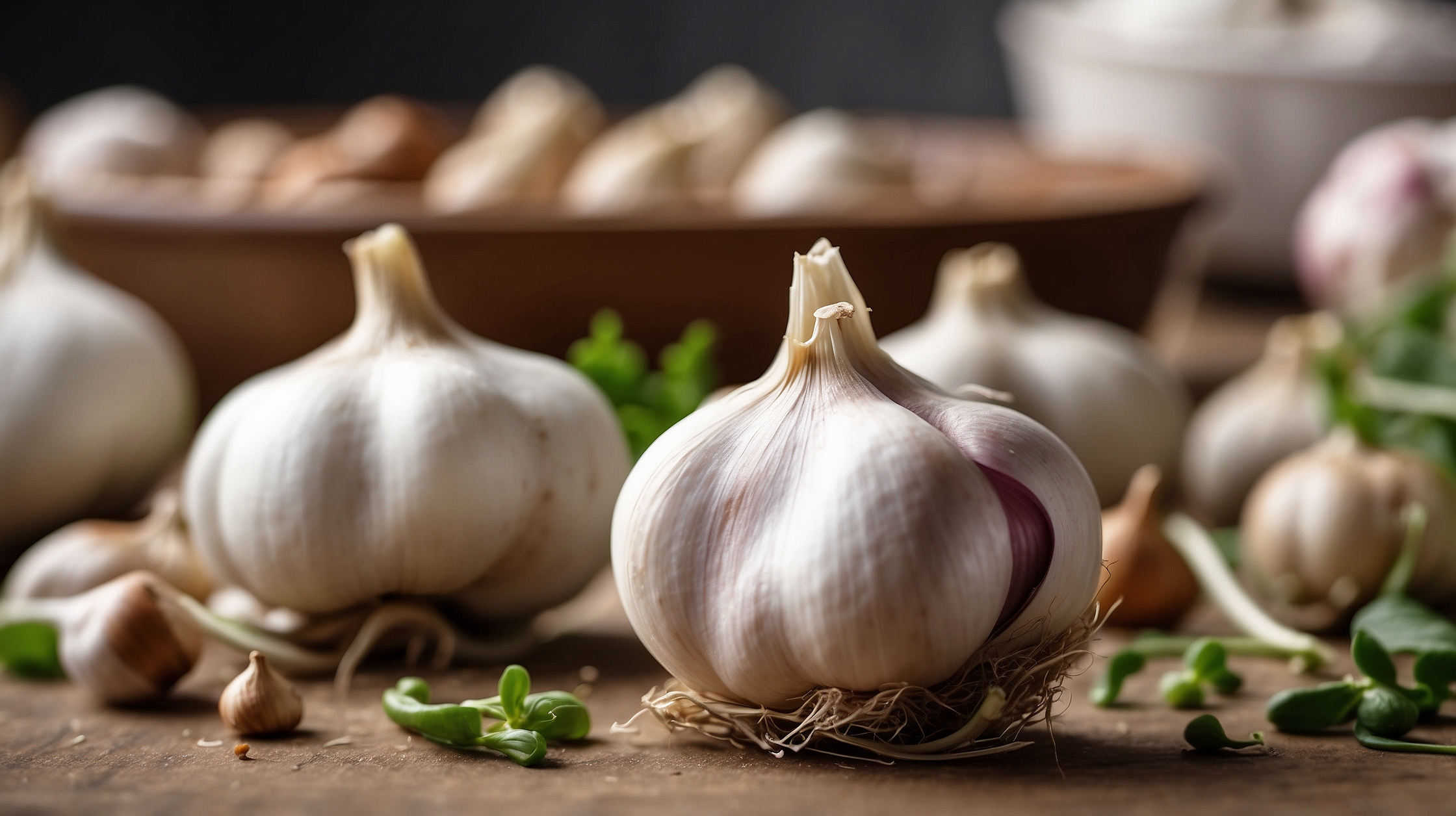
Garlic has long been a cherished staple in kitchens around the world. Its unmistakable aroma and flavor elevate dishes, from sizzling stir-fries to slow-cooked stews. But while garlic may be a culinary hero, its short shelf-life has left many home cooks frustrated. One day, you reach for a bulb to prepare dinner, and it’s already sprouting green shoots—rendering it bitter and less enjoyable. It’s a common problem that, until now, many considered unavoidable.
For years, people have stored garlic in a variety of ways. From hanging braids in dark pantries to placing bulbs in the refrigerator, everyone seems to have their methods. Yet, no matter the technique, the sprouting often begins within a few short weeks. Now, a small yet transformative change is making waves for those who want to keep their garlic fresher for longer—and it doesn’t involve any fancy gadgets.
Imagine placing your garlic in a specific type of container and, suddenly, your bulbs stay firm and fragrant for weeks—sometimes even months. That’s the promise of a simple storage trick that’s backed by science and hailed by home chefs. Let’s dive into what this storage technique is, why it works, and how you can easily implement it to keep sprouting at bay.
How a humble storage tweak keeps garlic fresher longer
| Topic | Preventing garlic from sprouting prematurely |
| Main takeaway | Storing garlic in a paper bag reduces moisture and light exposure, slowing sprouting |
| Key materials needed | Paper bag or breathable container, dark storage location |
| Most common mistake | Refrigerating garlic, which accelerates sprouting |
| Time to implement | Less than 5 minutes |
What makes garlic sprout in the first place
Garlic tends to sprout when exposed to light, moisture, or fluctuating temperatures. These conditions signal the bulb that it’s time to grow, triggering the green shoots we often see emerging from cloves. While still edible, **sprouted garlic** becomes bitter and loses its ideal texture and potency. For culinary purposes, keeping garlic firm and unsprouted is key.
The refrigerator, contrary to popular belief, is one of the worst places to store garlic long-term. The cold temperature initially seems like a good idea for preservation, but it accelerates the bulb’s natural clock. The warmer environment after removal from the fridge prompts sprouting almost immediately. Likewise, storing garlic in plastic can create a humidity trap, which leads to early decay or mold growth.
The game-changing garlic storage method
The solution? A **simple paper bag**. This unexpected yet profoundly effective method keeps garlic in optimal conditions. Paper allows air circulation, preventing moisture buildup, while simultaneously shielding the bulbs from light. The result is a dry, dark, and breathable environment—exactly what garlic needs to remain dormant.
Place whole, unpeeled bulbs inside the paper bag and store them in a cool, dry pantry or drawer. Avoid areas near the stove or dishwasher where steam or heat may affect the temperature. This technique largely prevents the triggers that cause garlic to prematurely sprout or spoil.
“A paper bag mimics traditional storage used in many cultures before refrigeration existed, preserving garlic for weeks, sometimes months.”
— Chef Anika S., Culinary Preservation Specialist
Other do’s and don’ts for garlic storage
To maximize the life of your garlic using the paper bag method, follow these best practices:
- Do: Keep garlic bulbs whole until you’re ready to use them. Breaking the bulb into cloves shortens its shelf life.
- Don’t: Store garlic in plastic containers or zip-lock bags—they trap moisture leading to mold.
- Do: Check your garlic regularly for signs of softness or mold and remove any affected bulbs immediately to protect the rest.
- Don’t: Place garlic near sunlit windows or warm appliances where temperature changes are common.
By combining the use of a **paper bag** with this checklist of precautions, you’ll gain far better control over garlic’s longevity in your kitchen.
Who benefits most from changing garlic storage habits
| Winners | Home cooks, budget-conscious shoppers, and eco-conscious consumers |
| Losers | People relying on refrigerated storage, store-bought peeled garlic products |
Those who cook regularly and prefer buying garlic in bulk will especially benefit from this trick. It minimizes food waste, maintains garlic flavor, and avoids those last-minute grocery trips to replace sprouted cloves. Additionally, for consumers aiming to reduce packaging waste, storing garlic whole and unpeeled in paper aligns with a **low-waste lifestyle**.
Can this method help other root vegetables too?
While garlic’s particular sensitivity to humidity and light is unique, this paper bag method may improve storage for other items like shallots or onions. However, storing them together with garlic is not recommended, as they emit gases that could affect each other’s freshness. Store each in separate bags for optimal results.
“I’ve found that storing my garlic and shallots in breathable bags extends their shelf life noticeably. It’s a small change with big savings over time.”
— Maria J., Home Kitchen Blogger
Tips to tell if sprouted garlic is still usable
If your garlic has already sprouted, not all hope is lost. Sprouted garlic is still safe to eat, though the flavor changes may not suit every dish. The green shoots can be removed, and the remaining clove often still has its usable core. Keep in mind, though, the texture becomes rubbery and less appealing in dishes that require crisp or fresh garlic.
For recipes where garlic is cooked down extensively—like soups or roasts—this sprouted garlic can still serve a purpose without being wasted.
More professional storage alternatives (if desired)
If you’d like to take your garlic preservation further, ceramic garlic keepers with ventilation holes are another option. These allow airflow while blocking light, similar to a paper bag but in a more decorative and reusable form. Still, for those looking for the simplest and cheapest method, **paper bags reign supreme.**
“Unless you’re preserving garlic for industrial use, there’s no need for complex systems. Simplicity wins in home kitchens.”
— Dr. Ben Koh, Food Storage Scientist
Frequently asked questions about garlic storage
What’s the best way to store garlic for maximum shelf life?
Store whole, unpeeled garlic bulbs in a paper bag in a cool, dry place away from light and moisture.
Why does garlic sprout in the fridge?
Cold temperatures stimulate garlic’s sprouting mechanism when returned to room temperature, so refrigeration accelerates spoilage.
Is it okay to use sprouted garlic?
Yes, it’s safe to eat sprouted garlic, but the flavor is often bitter. Removing the green shoot can improve taste.
Can I store garlic in the freezer?
While possible, freezing changes garlic’s texture. It becomes mushy when defrosted and best used in cooked dishes only.
Do ceramic garlic containers work better than paper bags?
Both methods work well. Ceramic containers are more durable and aesthetically pleasing, but paper bags are simpler and just as effective.
How long can garlic last in a paper bag?
Properly stored, garlic can last 6–8 weeks or more without sprouting when kept in a dry, dark paper bag.
Can peeled garlic be stored using this method?
No. Peeled garlic should be refrigerated and used within a week. This method works only for whole, unpeeled bulbs.
Is storing garlic with onions a bad idea?
Yes. Onions and garlic emit different gases that can cause each other to spoil faster when stored together.
With this surprisingly simple technique, your garlic can now last longer and stay fresher—bringing flavor, aroma, and culinary joy to your meals without the green nuisance of sprouting. Try it today and revolutionize your kitchen one bulb at a time.