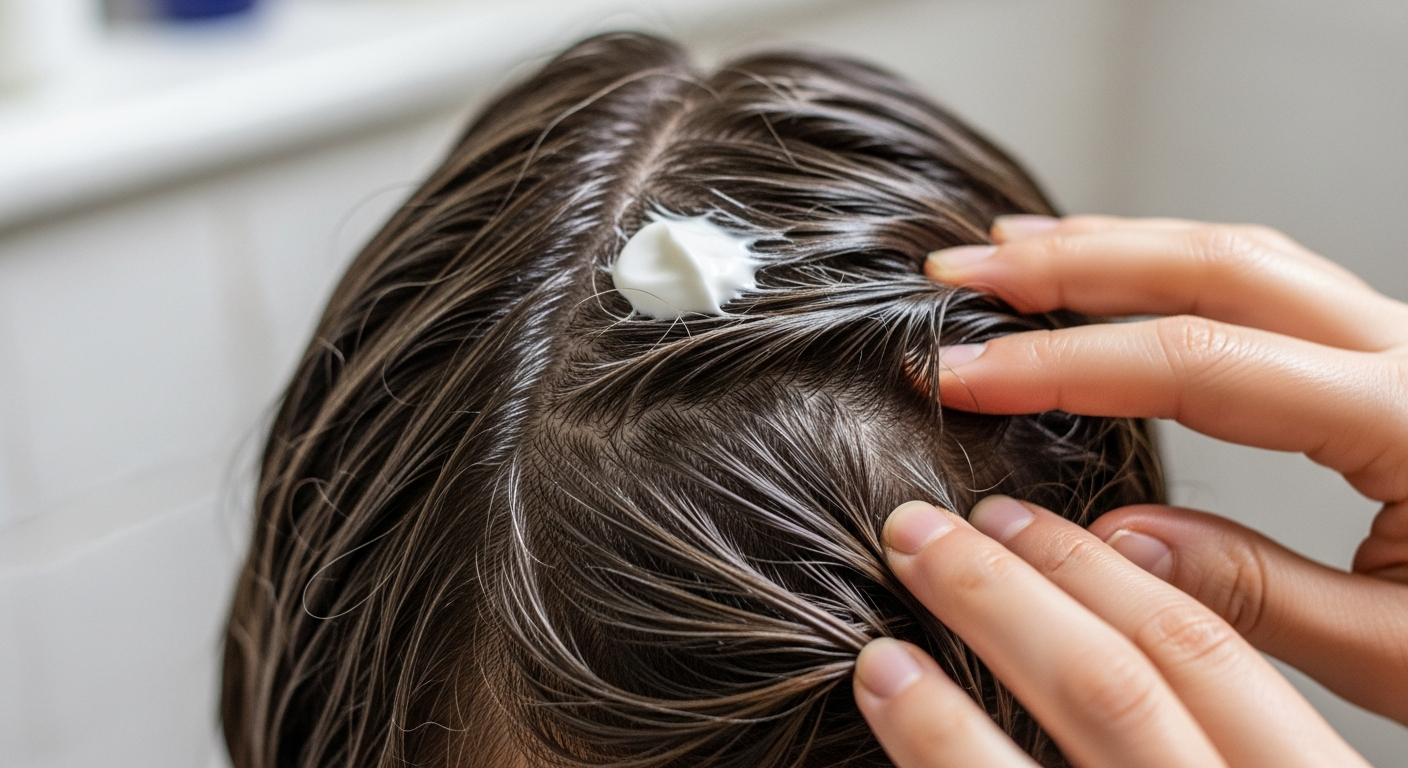
It started out like any other morning: a shower, a quick wash with volumizing shampoo, and then the usual thick, creamy conditioner applied from roots to ends. But by midday, Sarah looked in the mirror and noticed her fine hair clinging flat to her scalp, the promised volume from her products nowhere to be found. Frustrated, she blamed humidity, her busy schedule, maybe even her styling tools—not realizing the real culprit was hiding in plain sight in her shower rack: her conditioner.
What many people with fine hair don’t realize is that not all haircare products are created equal, and using the wrong ones can sabotage your style before you even blow-dry. One of the most common mistakes? Applying a heavy, silicone-rich conditioner directly on the roots of fine hair. This seemingly innocuous habit can flatten volume, weigh down strands, and contribute to an oilier scalp. But understanding why this happens—and how to fix it—can be the game-changer your haircare routine needs.
Here’s what every fine-haired individual needs to know about conditioner application, product choice, and techniques that preserve movement and lift from root to tip.
Overview of how heavy conditioners affect fine hair
| Issue | Impact |
|---|---|
| Applying conditioner to roots | Weighs hair down, flattens volume |
| Silicone-based ingredients | Create build-up on scalp and strands |
| Thick conditioner formulas | Not easily rinsed clean from fine hair |
| Wrong application technique | Reduces natural bounce and lift |
Why fine hair reacts poorly to heavy products
Fine hair has a significantly smaller diameter compared to medium or coarse hair types. As a result, it’s more vulnerable to the effects of weighty products. When heavy conditioners or masks coat the strands—especially near the scalp—they press down on the roots, eliminating any possibility of volume. While thicker hair types can handle that extra weight, fine strands simply cannot support the load.
Moreover, many mass-market conditioners contain silicones and emollients meant to smooth and soften hair. Though these can be beneficial in moderation, oversaturating fine strands leads to build-up that not only makes hair limp but also more prone to collecting grease and dirt. That accelerates the need for washing, perpetuating a cycle of oiliness and flatness.
What haircare professionals say about root conditioning
People with fine hair should avoid applying any creamy conditioner directly to their roots. It adds unnecessary weight and causes immediate collapse in volume.
— Jenna Myers, Celebrity Hairstylist
Trained stylists have long agreed that roots should be treated differently than lengths and ends. The scalp already produces natural oils that nourish the first few inches of hair, meaning the additional moisture from conditioner often causes more harm than good in that zone. Instead, they recommend focusing application from mid-length down, where hair needs hydration most.
Proper conditioner application for fine hair types
If you’ve been unknowingly mishandling your conditioner, here’s a better approach:
- Choose a lightweight, volumizing conditioner specifically labeled for fine or limp hair. These formulas use lightweight hydrators that don’t sacrifice fullness.
- Apply only from mid-lengths to ends—usually from the ears downward. This avoids overweighting your roots.
- Use less product than you think you need. A dime-sized amount often suffices for shoulder-length fine hair.
- Rinse thoroughly to remove any remnants. Leftover conditioner on the scalp is a volume killer.
How heavy conditioners impact styling results
Your styling tools can only do so much if your base routine doesn’t support them. Excess product leftover on roots acts like Velcro for heat and oil, which can not only flatten styles but also cause faster degradation throughout the day. For example, a blowout on hair saturated with heavy oils will result in less bounce and less hold. Similarly, using heat stylers like curling wands or flat irons on coated strands reduces their efficacy—leaving your look lifeless within hours.
The prepping stage is 70% of your final hairstyle. If you’re conditioning incorrectly, no amount of mousse or backcombing will give you true volume.
— Eli Tran, Editorial Hair Artist
Alternatives and smarter products for enhanced volume
Rather than ditch conditioner altogether, fine-haired individuals should consider tailored alternatives:
- Leave-in conditioners in spray form: These can offer hydration without weight and are easier to control in application.
- Volumizing or mousse-based conditioners: Some brands now offer foamy conditioner options that hydrate without collapsing hair structure.
- Clarifying conditioners: Use weekly to remove heavy buildup from styling products and silicones.
Most importantly, don’t assume more is better. The goal with fine hair is to condition strategically and lightly, preserving the natural movement that gives your style life.
How to revive hair already affected by heavy products
If you’re noticing excessive limpness, tangled roots, or greasy buildup, it’s likely time to hit reset. Start by detoxifying your scalp with a gentle exfoliating scrub or a sulfate-free clarifying shampoo. Follow with a balancing conditioner only on the ends.
Over time, incorporating regular scalp massages with lightweight oils like jojoba or tea tree (sparingly) can help reset sebum balance and lift product that’s caused root flatness.
Understanding your hair’s unique needs
It’s also vital to assess whether your hair is fine but dense (many strands per square inch) or fine and sparse. Each has slightly different volume needs. Fine, sparse hair needs even more care to preserve lightness, while denser fine hair may handle slightly richer formulas if used correctly.
Regular salon consultations and testing new products in small amounts can help fine-tune your routine over time. Don’t fall for one-size-fits-all product marketing. Always consider texture, environment, and hair behavior post-wash when selecting your conditioner’s consistency.
Common mistakes to avoid beyond conditioner
Conditioning mistakes are just one part of the volume equation. Here are other pitfalls fine-haired individuals often make:
- Skipping root-boosting products: Mousse, root sprays, and volumizing powders can tackle root collapse—but only work if roots aren’t weighed down.
- Using flat ironing techniques excessively: Straightening often contributes to further flattening, especially with heat damage involved.
- Not using cold water rinses: A final splash of cold water tightens the cuticle and helps keep hair frizz-free without oils.
Who benefits most from these adjustments
Anyone with straight, fine, or thinning hair texture can gain considerable volume and bounce by limiting or properly applying conditioner. Especially those who style regularly, live in humid or urban environments, or experience midday scalp oiliness will notice distinct improvements. It’s not about eliminating hydration but realigning it to where it does the most good.
Final thoughts on building a volume-supportive routine
Volume isn’t just created with hot air and round brushes—it begins in your shower. Shifting how you use conditioner can dramatically impact your hairstyle goals, self-confidence, and even how often you need to wash your hair. Understand your hair’s needs, choose products consciously, and above all, treat your roots with the lightweight respect they deserve.
Frequently Asked Questions
Why is applying conditioner to roots bad for fine hair?
Conditioners are often too heavy for the root area of fine hair, making it appear flat and reducing volume almost immediately after washing.
What type of conditioner is best for fine hair?
Lightweight or volumizing conditioners formulated specifically for fine or limp hair are best. Leave-in sprays are also a good alternative.
How often should I use conditioner on fine hair?
Conditioning 2-3 times per week is sufficient for fine hair. Overuse can cause buildup and remove lift from your style.
Can conditioners cause more greasy hair?
Yes, especially if applied to the scalp or roots. They can trap oils and dirt, worsening greasiness and reducing freshness.
What ingredients should I avoid in conditioners for fine hair?
Avoid heavy silicones like dimethicone, as well as thick waxes or butters that can coat and collapse thin strands.
Is there a correct way to apply conditioner on fine hair?
Yes. Apply from mid-length to ends only, use a small amount, and rinse thoroughly to avoid weighing down your hair.