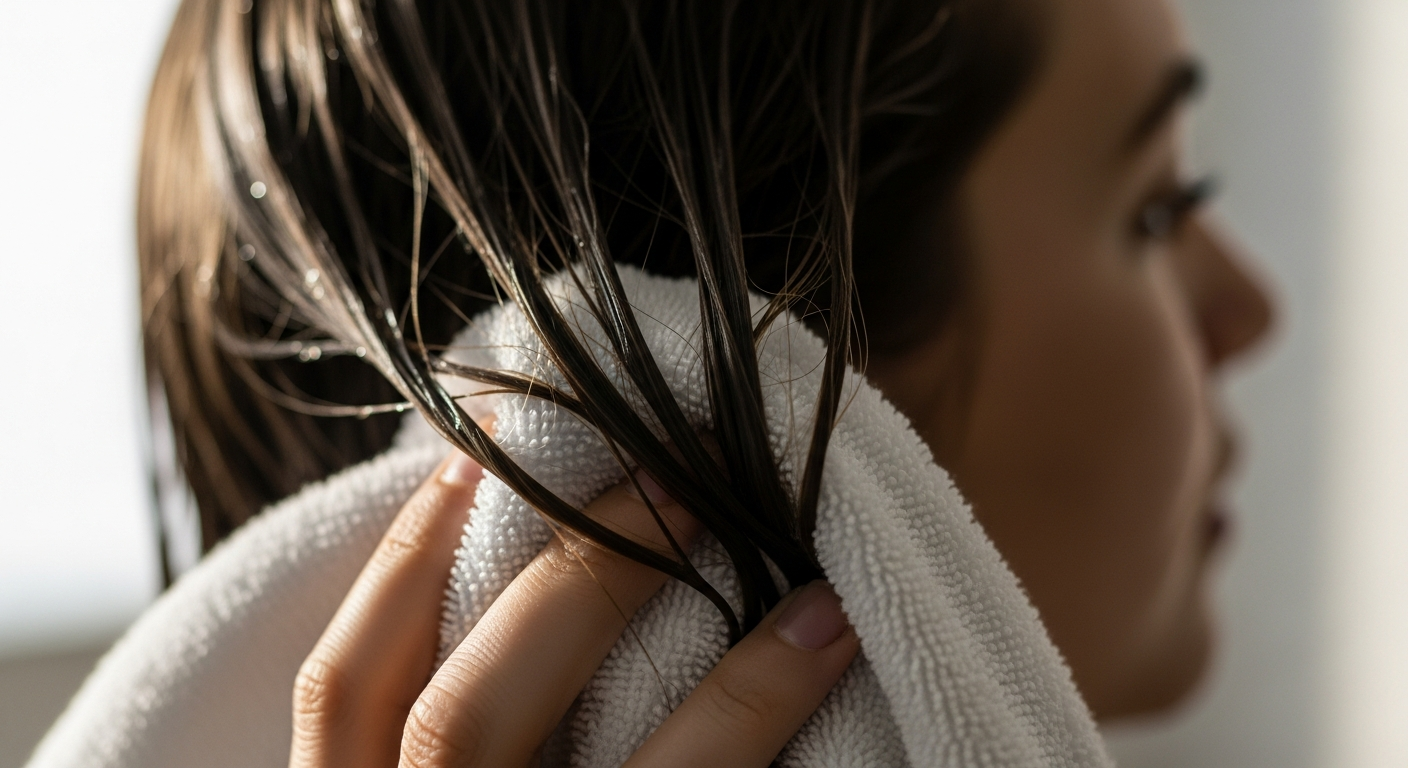
After a revitalizing shower, we instinctively reach for the towel to dry our hair. But few realize that this routine act could be silently wreaking havoc on our hair’s health and appearance. Rubbing your scalp and strands vigorously with a rough towel has long been an accepted norm — yet, it’s one of the key culprits behind dullness, hair fall, and frizz. Hair experts now warn that how we dry our hair is just as crucial as how we wash or style it. Thanks to growing awareness and professional insight, a subtler, healthier technique—called “blotting”—is replacing old habits that do more harm than good.
The tension created by aggressive towel drying can rough up the hair’s cuticle layer, leading to breakage and an unmanageable, frizzy texture. According to professional stylists and trichologists, even the coarseness of a regular bath towel can exacerbate damage on damp, vulnerable hair. In contrast, blotting — a gentler approach involving pressing and patting — helps minimize friction, maintain cuticle integrity, and retain moisture where it’s needed most. But what exactly does blotting involve? And how can you adopt this technique into your daily routine? Let’s dive into what makes this small change a revolutionary step for your haircare regimen.
Overview of Hair Drying Methods Compared
| Drying Method | Hair Impact | Frizz Potential | Suitability for Hair Types |
|---|---|---|---|
| Vigorous Towel Rubbing | Causes breakage and disrupts cuticle | High | Damaging for all types |
| Hair Dryer (High Heat) | Dries hair quickly but may cause thermal stress | Moderate to high | Useful with heat protectant; riskier for curly/textured hair |
| Air Drying | Natural but may leave hair flat or frizzy | Low to moderate | Best for fine to medium types |
| Blotting with Soft/Fiber Towel | Preserves structure and reduces breakage | Low | Ideal for all hair types |
Why traditional towel drying causes hair damage
When hair is wet, it becomes more elastic and fragile, expanding the cuticle layer and leaving strands particularly vulnerable. Vigorously rubbing a traditional bath towel against the scalp and hair may speed up drying—but it also creates damaging friction. This mechanical stress can strip away essential oils, raise cuticles, and break strands in the process. The result? Unmanageable hair that’s prone to split ends and frizz, especially in humid environments.
In many cases, the friction from such rough drying results in knots and tangles, making brushing even more damaging later. Long, curly, or chemically treated hair is especially susceptible to this kind of mechanical stress. Experts suggest that this method does not align with modern understandings of hair fiber biology and proper scalp care. It’s time to reevaluate those age-old habits, even if they’ve been passed on through generations.
How the blotting technique works
Blotting is a simple, mindful technique that replaces the harsh rubbing and wringing commonly associated with towel drying. After cleansing your hair, gently squeeze out excess water with your hands while still in the shower. Then, using a microfiber towel or a soft cotton t-shirt, softly press small sections of your hair to absorb lingering moisture. This pressure-based technique minimizes friction and allows the towel to soak up water without ever pulling or agitating the strands.
The effectiveness of blotting comes from its natural compatibility with the hair’s delicate post-shower state. Unlike rubbing, which pushes and twists hair cuticles, blotting helps retain the natural alignment of your strands. For curly and wavy-haired individuals, blotting enhances curl definition by maintaining the natural pattern without inducing frizz. Even for straight hair types, the method promotes smoother, shinier finishes while reducing the need for additional styling tools.
“The blot-and-press technique protects your strands while preserving volume and structure. It’s a small tweak with big payoff for healthier hair.”
— Dr. Lanika Morris, Trichologist & Hair Health Specialist
Best tools and fabrics for blotting
Traditional bath towels, usually made of thick terry cloth, are designed for the body—not fragile hair fibers. Their rough looped texture tends to catch and tug at cuticles, even when used gently. Instead, opt for a microfiber towel, which features ultra-fine fibers crafted to absorb water efficiently while gliding over the hair surface. These towels are soft, lightweight, and generally come in smaller sizes or turban shapes for easy wrapping.
Cotton T-shirts are another excellent household alternative. Their flat, tightly woven fibers create minimal friction, and they offer just the right thickness to manage moisture without dripping. When blotting with a T-shirt, simply flip your head forward, wrap the material around, and press—not twist—your way to a gentle dry.
Additional tips for reducing post-wash hair damage
How you handle your hair immediately after washing sets the stage for its final texture, shine, and resilience:
- **Detangle gently:** Use a wide-tooth comb or your fingers to detangle your hair while it’s still wet. Always start from the tips and work your way up to avoid breakage.
- **Minimize heat styling:** Letting hair air-dry naturally is less harsh. If using a dryer, set it to the lowest heat and apply a heat protectant spray.
- **Apply hydration-rich products:** Leave-in conditioners, curl creams, and hydrating serums help seal in moisture and smooth cuticle layers post-blotting.
- **Protect while sleeping:** Silk or satin pillowcases reduce friction and preserve styling results after a good night’s sleep.
Who benefits most from switching to blotting
Blotting isn’t just for those with long, delicate locks—it’s beneficial for nearly every hair type and texture. Individuals with curly, coily, or natural hair textures will see the most dramatic improvement. These hair types are naturally more prone to dryness and frizz due to their unique structure. Blotting preserves curl patterns and reduces puffiness.
Colored and chemically-treated hair also benefits greatly, as these treatments weaken the hair shaft and render it susceptible to breakage. Smooth, undisturbed drying prevents unnecessary stress, extending color vibrancy and improving overall texture. Even fine or thinning hair textures profit from blotting since it reinforces volume without flattening roots or weighing down strands.
Before and after: visible difference with consistent blotting
Many users report tangible improvements within weeks of making the switch. Hair becomes silkier, easier to manage, and visibly shinier. Volume is retained more naturally, and split ends appear less frequently. In curly-haired consumers, the difference is even more stark—ringlets remain defined, springy, and less frizz-prone. With consistency, even occasional heat styling has less damaging effects, as the baseline health of the hair is considerably elevated.
“After two weeks of blotting with a microfiber towel, I noticed my hair dried faster, looked smoother, and frizz was almost nonexistent. The results were undeniable.”
— Zarah T., Beauty Enthusiast and Content Creator
FAQs about hair drying and blotting
What kind of towel is best for blotting hair?
A microfiber towel or a soft, clean cotton T-shirt works best for blotting as they minimize friction and efficiently absorb moisture.
Is air drying better than towel drying?
Air drying reduces mechanical damage but may leave the hair frizzy if not blotted first. Combining blotting with air drying offers optimal results.
Can I still use a blow dryer after blotting?
Yes, blotting preps your hair safely for blow drying. If using a dryer, opt for a low heat setting and apply a heat protectant.
Does blotting work for short hair too?
Absolutely. Even short hair benefits from reduced friction, which helps maintain scalp health and strand integrity.
How long should I blot my hair?
Spend 1–3 minutes blotting in gentle motions. Focus on soaking up excess water without scrubbing or twisting the hair.
Is blotting safe for children’s hair?
Yes, since children have more delicate hair and scalps, blotting is an ideal method for minimizing damage while drying.
Can blotting reduce hair loss?
While blotting won’t prevent genetic hair loss, it can reduce breakage and mechanical damage, promoting overall healthier growth.
How often should I wash and blot my hair?
This depends on your hair type. Most people benefit from washing 2-3 times a week and blotting each time for best results.