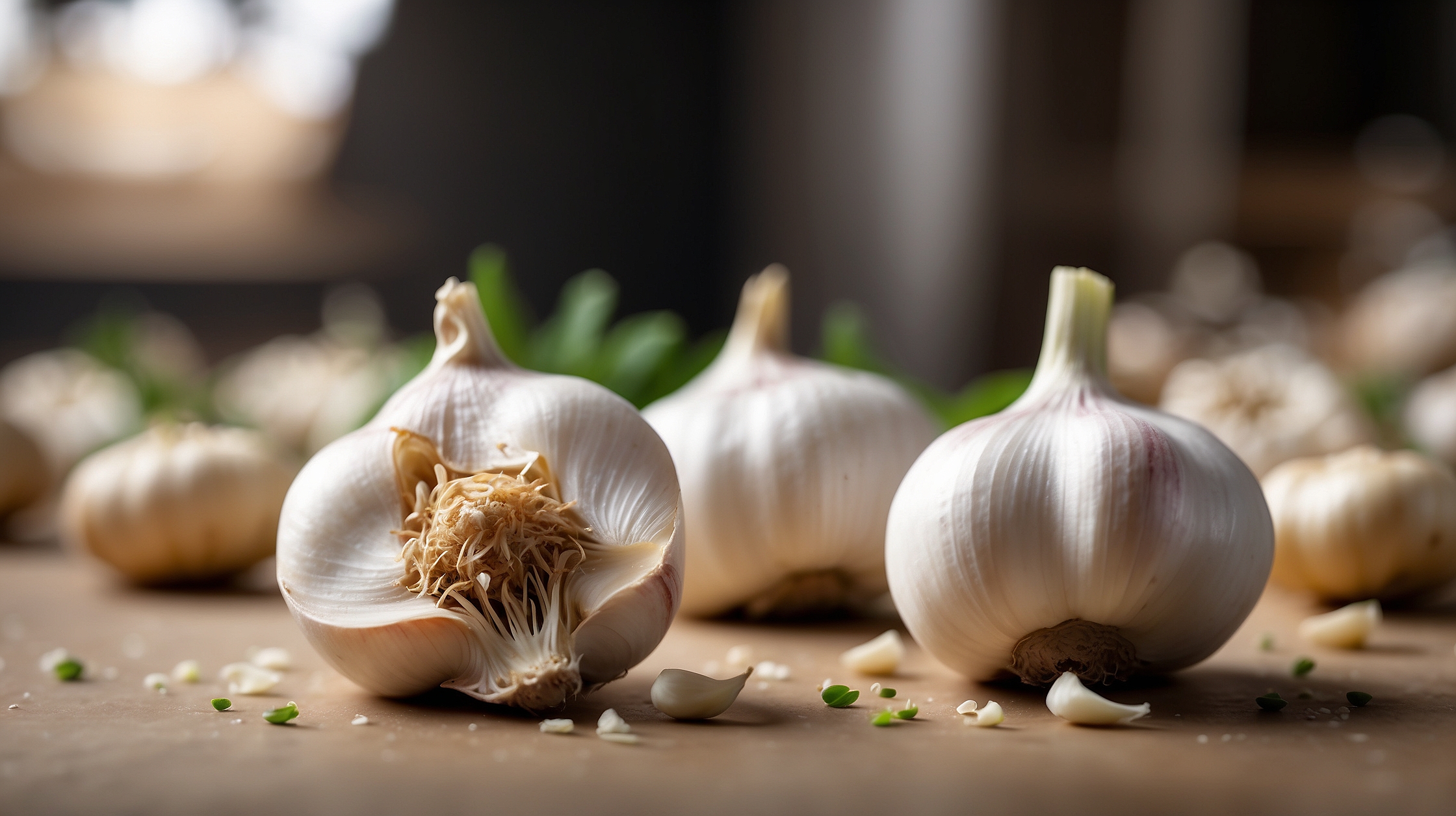
Garlic has been a kitchen staple for centuries, revered not just for its pungent aroma and bold flavor, but also for its incredible health properties. But ask any home cook, and they’ll tell you—there’s one nagging issue that arises with garlic far too often: sprouting. That green shoot that emerges from the center of a garlic clove isn’t just unsightly, it also signals a decline in freshness and flavor. While some may see it and simply cut it out, others recognize it as a sign of wasted produce—and wasted money.
What if maintaining your garlic’s freshness for weeks longer required only a simple change in how you store it? Believe it or not, this age-old problem has a surprisingly easy and low-cost solution. The art of keeping garlic from sprouting doesn’t involve fancy storage gadgets or expensive containers. It comes down to understanding the natural lifecycle of garlic and identifying the specific conditions that trigger premature sprouting.
This article explores a transformative way to store garlic that helps preserve its usability and flavor for weeks—without refrigeration or excessive effort. Whether you’re a casual home chef or a culinary enthusiast, understanding this simple shift might just change the way you handle garlic forever.
Garlic storage breakthrough at a glance
| Problem | Garlic cloves sprouting prematurely |
| Solution | Storing garlic in breathable paper bags in a dark, dry environment |
| Time to implement | Less than 5 minutes |
| Cost | Minimal (paper bags and cool storage space) |
| Results | Garlic remains fresh and unsprouted for up to 6 weeks |
Understanding why garlic sprouts too early
Sprouting in garlic happens due to the activation of its natural growth cycle. When the garlic senses the environmental conditions are similar to spring planting—such as warmth, moisture, and light—it starts to respond accordingly. Unfortunately, your pantry or kitchen countertop may be giving garlic exactly those cues.
Traditional storage methods like leaving garlic in plastic bags, glass jars, or refrigerator drawers often create the perfect environment for sprouting. Moisture gets trapped, and with even minimal light exposure, garlic begins to think it’s time to grow. The sprout that appears from the center of the clove is actually the embryo of a new plant.
The small storage change that makes a big difference
The game-changing tip? Store garlic in a paper bag and keep it in a cool, dark, and dry place. Paper bags are breathable, allowing for better air circulation while protecting the garlic from light exposure. This drastically reduces the chance for heat and moisture to build up, the two main triggers for sprouting.
Unlike plastic or glass, which trap humidity, paper naturally absorbs excess moisture. By switching to a paper bag and keeping garlic out of direct light—preferably in a pantry, cupboard, or drawer—you’re simulating an environment that discourages the bulb from waking up and sprouting.
“The key to long-lasting garlic isn’t refrigeration or fancy containers. It’s air flow and darkness—which is why a simple paper bag often does the trick.”
— Dr. Lucia Reynard, Food Botanist
Why refrigeration isn’t the solution
It might seem like the refrigerator is a good place for garlic—it’s cool and dark, right? Ironically, this method often accelerates sprouting instead of delaying it. The cold, moist environment in a fridge mimics early spring conditions, confusing garlic into thinking it’s time to grow roots and shoots.
What’s more, when you remove garlic from the fridge, the condensation caused by the temperature change adds even more moisture to the equation. Not only does this shorten garlic’s shelf life, but it can also cause rot, mold, or mushiness.
Pro tips for maximizing garlic lifespan
To truly extend garlic shelf life and get the most out of each bulb, try these expert-backed tips alongside your paper bag storage method:
- **Don’t separate the cloves** until you’re ready to use them. Whole bulbs last significantly longer.
- **Keep away from onions.** Onions release gases that can accelerate sprouting in garlic.
- **Avoid high humidity** areas like underneath the sink or near your dishwasher.
- **Label your garlic** with purchase dates, so you always use older bulbs first.
“Preserving fresh garlic is all about mimicking nature’s dormancy period. Think dry winters, not wet springs.”
— Dolores Kim, Culinary Science Educator
Other methods people have tried—and why this one works best
Some garlic lovers have tried oil immersion or freezing as alternatives. While these methods can create usable products—like garlic paste or pre-minced frozen servings—they do not retain the full flavor and texture of fresh garlic. Plus, oil-based storage poses the risk of botulism if not properly handled.
Placing garlic in mesh wire containers or terra cotta jars also shows moderate success. However, these methods still require a dark, cool, and dry environment to truly prevent sprouting. The paper bag method outshines in its simplicity, cost-effectiveness, and portability.
Winners and losers of garlic storage methods
| Storage Method | Result |
|---|---|
| Paper Bag in Dark Cabinet | Winner – Garlic stays unsprouted for weeks |
| Plastic Bag or Plastic Container | Loser – High moisture leads to quick sprouting |
| Refrigeration | Loser – Cold and moisture confuse garlic and speed up growth |
| Countertop or Windowsill | Loser – Exposure to light and warmth triggers sprouts quickly |
The long-term benefits of storing garlic properly
Making this tiny change in garlic storage benefits more than just your cooking—it hits your wallet and your waste bin as well. Extending garlic’s freshness means fewer trips to the grocery store, more flavorful dishes, and less food waste overall. It increases the sustainability of your kitchen and brings peace of mind to your meal prep routine.
Even more, regularly practicing proper storage will save you from bland, sprouted cloves that don’t do justice to your recipes. Garlic in peak condition not only tastes better but also delivers stronger antibacterial and antioxidant benefits, which are among the reasons why it has been revered in traditional medicine across cultures.
Final thoughts on keeping your garlic fresh longer
It turns out, one of the greatest kitchen hacks doesn’t involve a gadget, app, or major technique shift. It simply comes down to letting garlic do what it does best—rest. By giving it the right environment to stay asleep and dormant, you ensure it’s ready to wake up only when your dishes call for it.
“It’s amazing how dramatically storage affects garlic’s lifespan. You don’t need better garlic—just better storage habits.”
— Matteo Briggs, Organic Home Gardener
Frequently asked questions about garlic storage
What is the best way to store garlic to prevent sprouting?
The best method is placing garlic in a paper bag and storing it in a cool, dark, and dry location, such as a cupboard or pantry.
Should garlic be stored in the refrigerator?
No, refrigeration encourages sprouting due to the cold, moist conditions. It’s better to store garlic outside the fridge in breathable containers.
Can I freeze garlic to make it last longer?
Freezing is possible but changes the texture and flavor. It works for pre-minced or paste forms, but not for maintaining whole, fresh cloves.
Why does garlic sprout in my kitchen?
Exposure to light, warmth, and moisture signals to the garlic that it’s time to grow, leading to sprouting even before you use it.
Is sprouted garlic safe to eat?
Yes, it’s technically safe, though the flavor may be bitter. Cutting out the green sprout helps, but freshness is already compromised.
Does separating garlic cloves make them sprout faster?
Yes, keeping the bulb intact maintains freshness. Only split cloves when you’re ready to use them.
Should I store garlic near onions?
No, onions release moisture and gases that can accelerate garlic’s decay and sprouting.
How long can garlic last using this paper bag method?
Properly stored in paper bags in a dry, dark place, garlic can last up to 6 weeks or longer without sprouting.