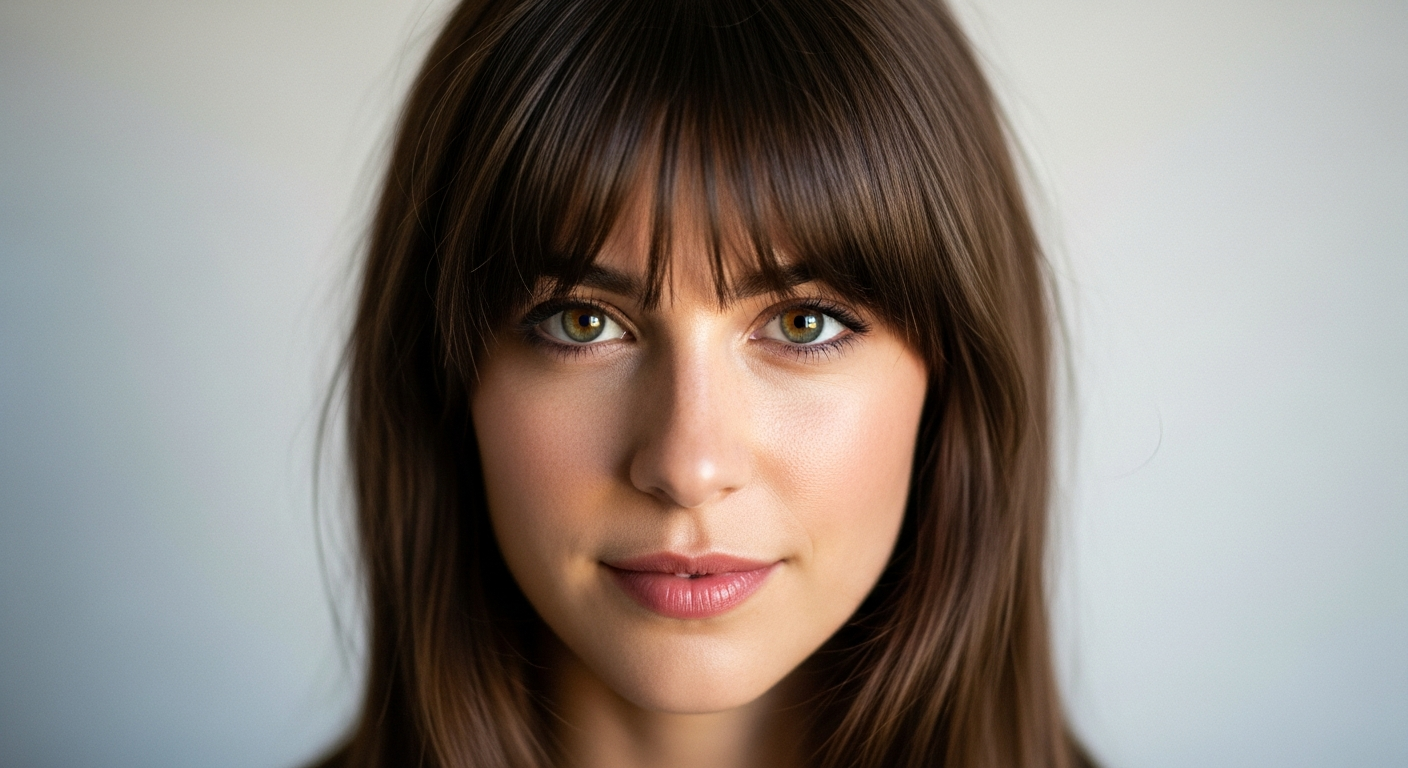
In the ever-shifting world of beauty and hairstyle trends, sometimes the tiniest tweak can spark a transformative change. For many women navigating the natural signs of aging, one persistent concern is forehead wrinkles. While skincare can offer gradual results, there’s an emerging style hack that delivers an instant youthful boost—not from a cream or cosmetic, but from a simple haircut. Curtain bangs, once a retro nod to the ’70s, have made a tremendous comeback, now with a fresh twist targeted at enhancing the eyes and concealing fine lines in a truly effortless way.
Beauty influencers and stylists alike are buzzing about a specific curtain bang style that’s both flattering and functional. Softly parted bangs that frame the face while sweeping just enough over the forehead have been dubbed the perfect way to mask wrinkles without appearing heavy-handed or covering too much. But what’s truly exciting about this technique isn’t just the aesthetic benefit—it’s how the cut can illuminate the eyes as a focal point, lifting the whole face in a subtle, artful manner.
Whether you’re in your 30s and starting to notice fine lines or embracing your 50s with style, this curtain bang variation offers a low-commitment, high-impact solution. In this article, we’ll explore how this technique works, why it’s gaining widespread popularity, and the secrets to asking for it at the salon.
Quick overview of the curtain bangs trend
| Feature | Details |
| Purpose | To hide forehead wrinkles and enhance eye contour |
| Haircut style | Modified curtain bangs with gentle side sweep |
| Length | Mid-length, skimming the brows or upper cheeks |
| Face shape compatibility | Oval, square, and heart-shaped faces |
| Styling time | 5–10 minutes daily with blow-dry or light product |
| Ideal for | Women concerned about forehead lines or seeking a youthful boost |
Why the curtain bangs revival is more purposeful than ever
Curtain bangs were once seen as a nostalgic style, reminiscent of vintage icons. Today, however, they’re evolving into a sophisticated and strategic beauty choice. The modern version of curtain bangs is less about looking retro and more about enhancing natural beauty in age-positive ways. The style’s popularity is largely driven by its ability to reshape facial appearance through the art of soft shadowing and framing, pulling attention to the eyes and naturally concealing aging lines.
“A well-cut curtain bang can do more than any anti-aging serum—it frames, lifts, softens, and most importantly, gives confidence.”
—Marie Thanaporn, Senior Stylist
That confidence boost is what’s made this style explode among actresses, influencers, and office professionals alike. It manages to walk the line perfectly between polished and relaxed, youthful and elegant. From corporate Zoom calls to brunch outings, this trend adapts seamlessly to multiple aesthetics.
The technical secret that makes this curtain bang work
So what exactly makes this curtain bang different from your typical front fringe or side-swept cut? The technique lies in the delicate layering and subtle gradation of length from the center outward. Instead of cutting the bang bluntly across the forehead, stylists snip at a vertical angle, allowing the inner part to gently graze the center of the forehead, while the outer layers sweep past the temples.
This creates a shadow that minimizes the visibility of dynamic lines and wrinkles, especially those horizontal creases that appear when the forehead is animated. Because the hair moves naturally and doesn’t cling flat to the skin, it avoids emphasizing texture—something stiffer cuts often do.
It’s also tailored to eye elevation. The shortest points of this bang typically rest just above the outer part of the iris, drawing natural attention to the eyes. This shift in focus can create the illusion of lifted brows and larger eyes, particularly when paired with minimal makeup like inner eye highlighter or a subtle cat eye flick.
Who benefits most from this modern bang style
While virtually anyone can try this curtain bang look, it’s especially flattering—and functional—for women who:
- Have deep-set forehead lines they’d like to conceal subtly
- Want to shift facial focus away from the upper-face region
- Have round, square, oval, or heart-shaped faces
- Desire a fresh update without sacrificing length
Even those with fine or thinning hair can wear this bang successfully. Since the curtain bang is layered and airy, it avoids weighing down the crown or blocking too much skin, which can be a risk for people with less density at the roots.
Tips on how to ask your stylist for it
One of the common challenges with bang transformations is the communication gap between client and stylist. When sitting in the chair, here’s what to ask for to ensure the best outcome:
- Mid-length bangs that taper softly at the sides
- Light layering with texture only toward the ends
- A natural center or slight off-center part
- No blunt ends—frayed, feathered edges encouraged
“Bring photo references of feathered curtain bangs that reveal the eyes and sweep gently at the temples. Pay more attention to where they fall on the face than just the hair itself.”
—Kritchai J., Advanced Hair Designer
How to style this at home with minimum effort
Styling curtain bangs doesn’t mean spending an hour with a straightener or curling wand. With the proper cut, this style is actually low-maintenance. Here’s an easy guide:
- Start with slightly damp hair.
- Use a round brush to blow-dry the bangs forward and under, then sweep the outer ends away from the face.
- Add a dime-sized drop of light mousse or volumizing spray before blow-drying for hold.
- Optional: Use a small straightener or wide-barrel curler to refine face-framing edges.
The result: a smooth yet airy bang that floats around the forehead, moving naturally and hard to mess up.
Winners and losers of this styling trend
| Winners | Losers |
| Women seeking low-effort anti-aging hair tricks | Those preferring blunt-cut bangs or edgy fashion looks |
| Mature clients with forehead wrinkles or fine lines | People with super curly bangs that resist shaping |
| Work-from-home professionals needing versatile style | Fans of sculpted, high-maintenance fringe looks |
Final thoughts on embracing transition-friendly bangs
Curtain bangs have quietly evolved from a niche trend to one of the most inclusive, versatile, and cleverly anti-aging hairstyles in recent memory. By displacing the eye’s focal point, softening the forehead’s visual lines, and offering enhanced face framing, they hit all the beauty marks without looking over-styled. For anyone walking that fine line between youthful and mature, they offer a fresh, flattering way forward—no needles, no filters required.
And more than just a trend, this hairstyle represents a shift in how women over 30, 40, or 50 are reclaiming their appearance without apology. Age isn’t something to erase—it’s something to accentuate around smart style choices that put confidence first.
Frequently asked questions
Does this curtain bang style work on curly hair?
If your curls are soft and loose, yes. However, very tight textures may require a customized cut to prevent too much volume up top.
Can curtain bangs really make me look younger?
Absolutely. By drawing attention to your eyes and covering the forehead, this bang style creates a lifting effect that naturally brightens the face.
How often do I need to trim curtain bangs?
Typically every 4–6 weeks to keep their shape, especially the center section over the forehead.
Are curtain bangs suitable for fine hair?
Yes! Since they’re designed to be feathered and light, they won’t weigh down fine strands, and can even create the illusion of volume.
Do I need professional styling tools to recreate this look?
No. A simple round brush and blow dryer are sufficient for most people to achieve this natural style at home.
Is this style suitable for people who wear glasses?
Definitely. The parted flow of the bangs usually sits well above or beside standard frames, avoiding visual obstruction.
Will these bangs grow out gracefully?
Yes, which is a huge perk. As they grow, they naturally transition into long face-framing layers, making them very forgiving.