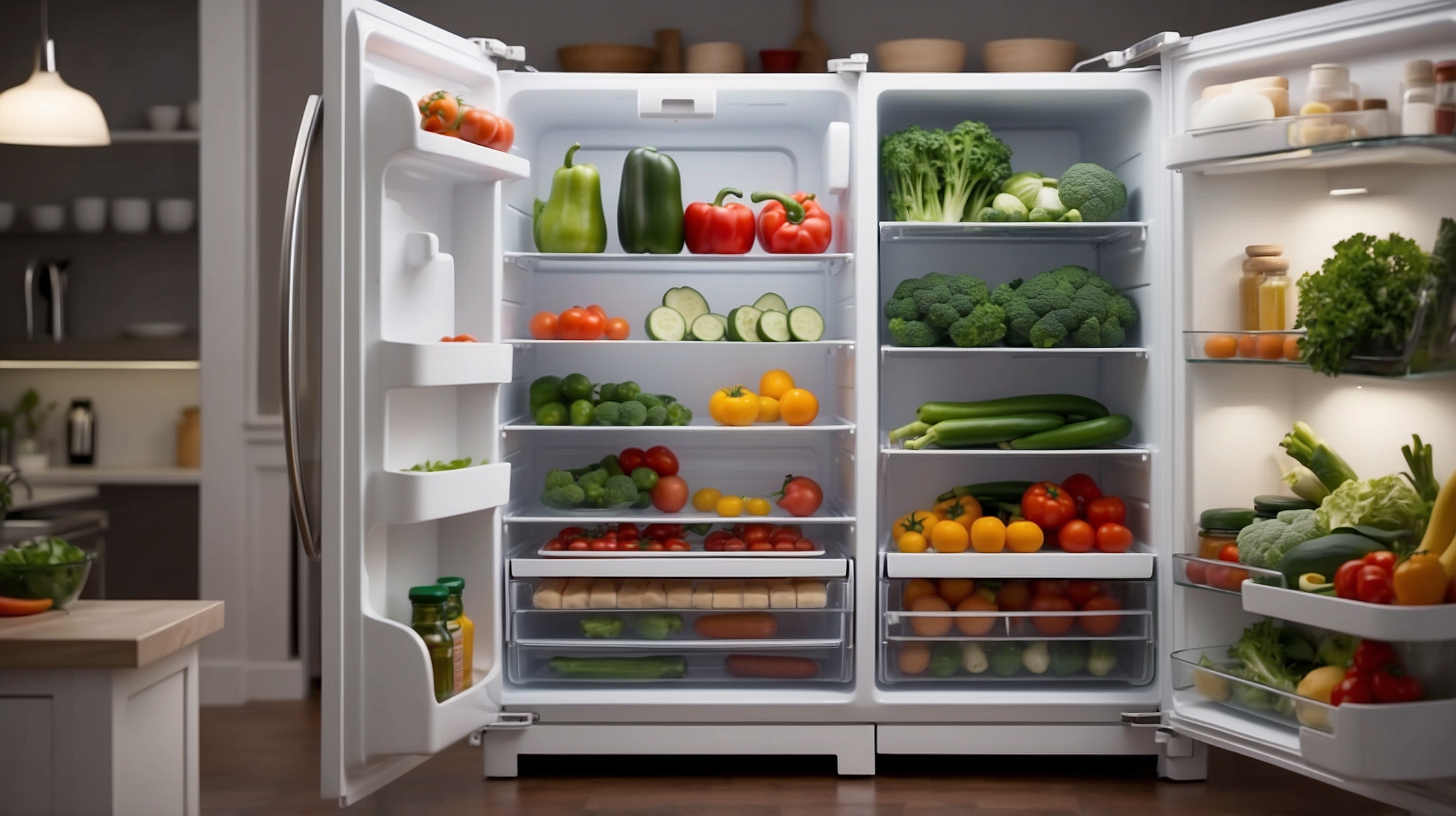
On an early Sunday morning, Sarah stepped into her kitchen with a mission. Tired of tossing wilted greens every week, she stared at her crisper drawer with frustration. Despite buying the freshest vegetables and storing them diligently in her fridge, they still seemed to turn soggy or limp within days. Was there a secret she was missing? Turns out, yes — and it was hiding in plain sight, right inside her refrigerator. A subtle adjustment many overlook could be the fix she and so many others have been seeking: the humble fridge humidity setting.
In modern homes where weekly grocery runs are the norm and meal prepping saves time and money, food longevity matters. But often we unknowingly sabotage our own efforts through poor fridge setup. Many refrigerators come with adjustable humidity controls in their drawers — yet few users know how or why to use them. By simply tweaking how these drawers function, you can dramatically extend the shelf life of your favorite fruits and vegetables.
This article dives deep into the science and practicality behind a simple fridge adjustment that can keep your vegetables **crisp and fresh longer**, turning frustration into fresher salads, greener meals, and fewer trips to the store.
Why adjusting your fridge settings matters for vegetable storage
| Element | Details |
|---|---|
| Main Focus | Optimizing refrigerator humidity settings for better vegetable preservation |
| Applies To | Most modern refrigerators with crisper drawers |
| Optimal Strategy | Use low humidity for fruits, high humidity for leafy greens and vegetables |
| Estimated Savings | Reduces food waste, saving up to $500/year for average household |
| Difficulty | Easy (1-minute fix) |
How crisper drawer humidity actually works
Most fridges include two drawers designed to store produce. These aren’t just slides with separate compartments — they come equipped with sliders or vents that control how much moisture remains in the drawer’s sealed environment. This matters more than it sounds because moisture plays a vital role in fruit and vegetable preservation.
When the vent is closed, it creates a high-humidity environment by trapping moisture. This is ideal for vegetables that tend to wilt, such as spinach, kale, broccoli, and carrots. By locking in that moisture, these items retain their firmness and natural hydration longer.
On the other hand, when the vent is open, it allows moisture to escape, creating a low-humidity environment. That’s best for fruits like apples, avocados, berries, and tomatoes — which are sensitive to ethylene gas and decay faster around moisture. Too much moisture around these kinds of produce can cause mold or mushiness.
Which vegetables need high humidity vs low humidity
To maximize the shelf life of your perishables, it’s critical to know which drawer goes with which type of food. Here’s a quick guide:
High Humidity Drawer (Vent closed) — Best for:
- Leafy greens: Spinach, kale, lettuce
- Cruciferous veggies: Broccoli, cauliflower, Brussels sprouts
- Root vegetables: Carrots, beets, radishes
- Herbs: Parsley, cilantro (wrapped in damp paper towel)
Low Humidity Drawer (Vent open) — Best for:
- Fruits: Apples, grapes, pears, oranges
- Avocados, peaches, nectarines
- Melons: Watermelon, cantaloupe (once cut)
- Tomatoes (especially ripe ones)
Organizing your fridge drawers this way respects the biology of different produce types, keeping them from prematurely breaking down from either dryness or excess moisture.
Simple steps to adjust your crisper drawer correctly
It takes under a minute to make this change, yet the impact is measurable. Here’s exactly how to do it:
- Identify which drawer has the humidity control slider. Most models label it “low” to “high.”
- Assign the high-humidity drawer to vegetables that wilt or dry quickly — leafy greens, broccoli, and so on.
- Assign the low-humidity drawer to fruits and veggies prone to rot with moisture. This includes apples, avocados, and berries.
- Don’t mix the two types in the same drawer. Keep high and low humidity produce separate to maintain effectiveness.
- Clean drawers regularly. Humidity traps can also hold mold or bacteria if not cleaned monthly.
“We see tons of produce spoilage issues just because people don’t realize they’ve got the humidity setting wrong. It’s a super low-tech fix that can prevent food waste and keep nutrients intact.”
— Dr. Amelia Chen, Food Science Expert
The science behind your refrigerator’s microclimate
Fruits and vegetables continue to “breathe” after harvest — a process called respiration. High respiration rates lead to faster spoilage, and environmental conditions heavily influence that rate. Temperature, moisture, and exposure to ethylene gas all play a role.
By adjusting humidity levels, you’re essentially managing the atmosphere around your produce — slowing down that respiration and preserving freshness. Moisture-sensitive vegetables like spinach stay crisp, while gas-sensitive fruits like apples don’t rot prematurely. Without this environment management, food either dries out or molds quickly, costing you money and diminishing quality.
How much money this small adjustment can save you
Reducing food waste has a real financial impact. According to various home economics studies, the average American household throws away up to 30% of the fresh produce they buy. This translates into nearly $400 to $600 a year in spoiled food.
By storing items in the correct humidity zone, you’ll significantly reduce spoilage and save money per grocery trip. It also allows for smarter bulk buying and less frequent shopping — a win-win both economically and environmentally.
Biggest winners and losers from proper fridge humidity use
| Winners | Losers |
|---|---|
| Leafy greens that stay crisp longer | Mixed produce improperly stored |
| Busy families who meal prep | Fruits stored in high humidity drawers |
| Anyone looking to cut food costs | Root vegetables exposed to low humidity |
| Eco-conscious consumers reducing waste | Uncovered herbs or greens left in low settings |
Tips to take it even further
If you want to maximize your fridge storage even more, combine this humidity hack with additional techniques:
- Wrap herbs in damp paper towels and store in airtight bags in the high humidity drawer.
- Use breathable produce bags instead of plastic for firm veggies to allow proper air circulation.
- Keep ethylene-producing fruits (bananas, apples, pears) in low-humidity drawer away from sensitive vegetables.
- Label your drawers: many people forget which is which over time.
“After using my crisper drawers correctly, my kale lasts 10 days instead of 3. It’s actually crunchy now when I eat it, and that alone made the switch worth it.”
— Lisa Tran, Home Chef and Meal Prep Enthusiast
Final thoughts on fridge humidity and freshness
Sometimes the most effective solutions are also the easiest. Something as small as shifting a slider can result in longer-lasting produce, better meals, and less guilt around food waste. When properly used, your refrigerator becomes a preservation ally, not just a cooling box. Understanding and using the crisper drawer humidity controls is a one-time fix that offers long-term benefits — for your pocket, the planet, and your palate.
Frequently asked questions
What does the humidity control in my fridge drawer do?
It regulates moisture inside the drawer. High humidity keeps moisture in (best for vegetables), and low humidity lets moisture out (best for fruits).
Can I store all fruits and vegetables together in one drawer?
It’s not recommended. Different types of produce need different humidity levels to stay fresh. Mixing them can lead to accelerated spoilage.
How do I tell which drawer is for high humidity?
Look for a vent or slider labeled with “high/low” or a droplet icon. When the vent is closed, it provides high humidity.
Why do my leafy greens wilt so quickly in the fridge?
They likely aren’t in a high-humidity environment. Store them in the correct drawer with the vent closed and use a damp towel to help retain moisture.
Is it better to remove produce from plastic packaging?
Yes, especially if the bag doesn’t allow air circulation. Breathable storage helps reduce condensation and mold risks.
Will the fridge humidity trick work for herbs too?
Yes! Wrap herbs in damp paper towels and place them in the high humidity drawer. They’ll stay fresh far longer.
How often should I clean my crisper drawers?
At least once a month — or more frequently if something leaks or spoils — to prevent mold or bacteria buildup.
Do all fridges have adjustable humidity drawers?
No, but most modern models do. Check your manual or look for sliders/vents inside the drawers for confirmation.