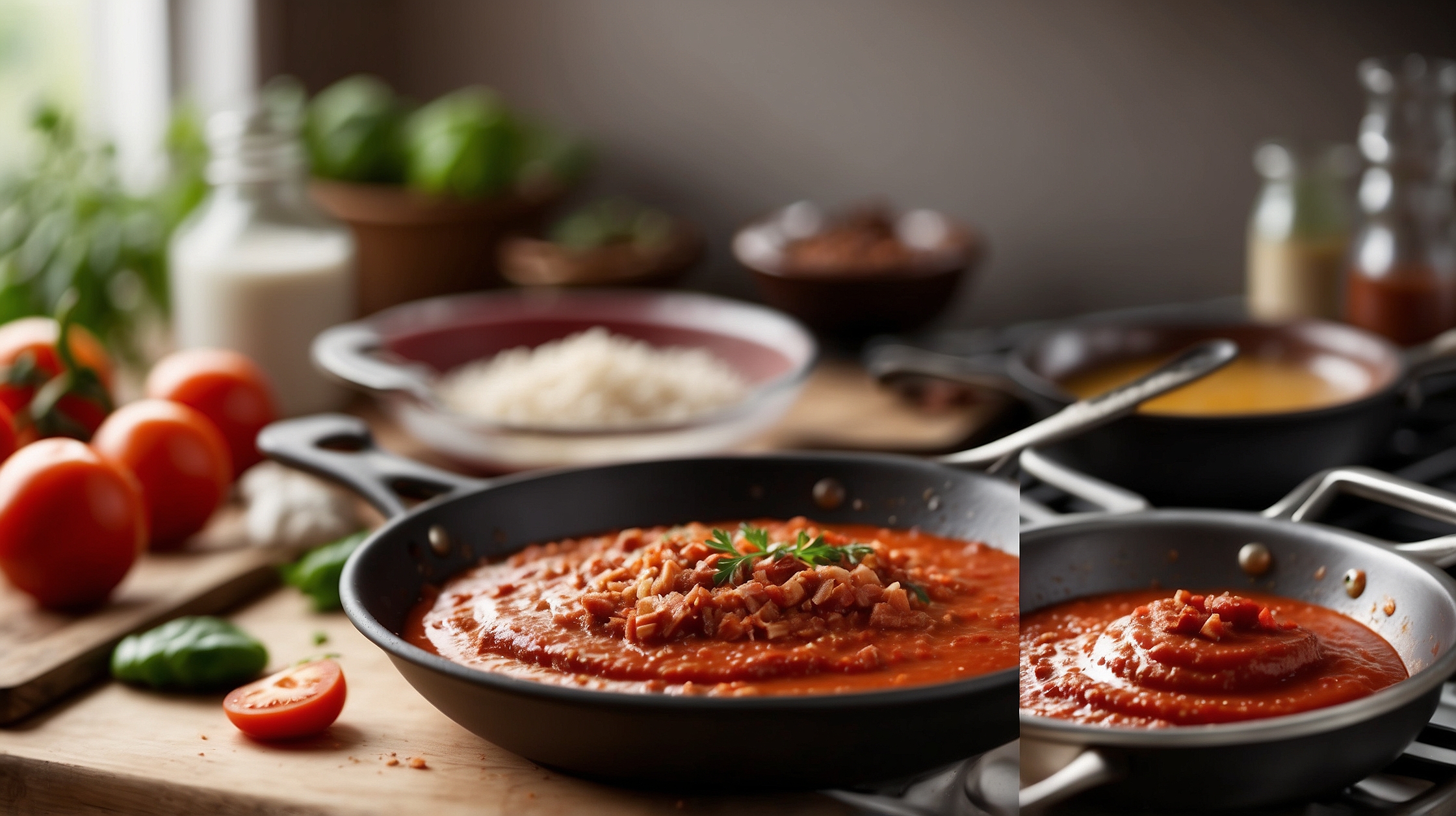
There’s nothing like the comfort of a homemade sauce—rich, velvety, and full of intricate flavors that have simmered together just right. Whether it’s a creamy Alfredo, a deeply spiced curry, or a simple tomato-based pasta sauce, home chefs strive for that perfect texture and flavor. But somewhere along the way, in the hustle of home cooking, a shortcut has emerged. It promises to save time, reduce clutter, and minimize cleanup. However, this seemingly harmless habit may be the silent culprit behind many lackluster or broken sauces.
Consider this scene: You’ve painstakingly created the base of your sauce, layered your aromatics, simmered your liquids just enough, and now it’s time to thicken your creation. Instead of taking extra steps with a separate slurry or mixing bowl, you toss the flour directly into the hot sauce, hoping it blends seamlessly. Within moments, the result is disappointing—clumps, off flavors, or a texture that never quite comes together. You had good intentions, but the shortcut backfired.
This experience is more common than you might think, and it illustrates a key lesson in home cooking: not all efficiencies lead to better outcomes. In the realm of sauces, there’s one small step that many skip to save time, and it’s silently ruining sauces everywhere—without any obvious signs until it’s too late.
Why your shortcut is secretly sabotaging your sauces
| Problem | Adding flour or cornstarch directly into hot liquid |
| Effect | Clumping, uneven thickening, raw flour taste |
| Better Method | Create a slurry or roux first before adding |
| Common Mistake | Skipping pre-mixing to save time |
| Fix | Use room temperature liquids for mixing thickening agents |
The right way to thicken sauces
Many home cooks turn to **flour or cornstarch** to thicken sauces, a perfectly valid technique used across cuisines. However, when these starches are added directly to a hot liquid, they **gelatinize too quickly**, leading to clumps and uneven textures. Instead, professionals follow two tried-and-true methods: making a slurry or building a roux.
A **slurry** involves mixing cornstarch or flour with a cool liquid to form a smooth, well-dissolved mixture. Only then is it whisked into your simmering sauce to distribute evenly without clumps. A **roux**, on the other hand, is made by cooking flour with fat—typically butter—over heat before gradually integrating liquids, which results in a more complex, nutty flavor and luxurious consistency.
Why direct flour addition ruins the texture
When flour hits hot liquid, the starch on the surface begins to swell and gelatinize immediately. But because it’s not fully dissolved or suspended in the liquid from the start, other flour particles inside the clump never get a chance to hydrate. The result is a **grainy or lumpy sauce**, often beyond salvation. It’s not just texture that suffers—since parts of the flour remain uncooked, the sauce might get an unpleasant raw taste that’s hard to mask.
In contrast, when flour is dispersed beforehand, it creates a uniform network of starch molecules that gradually swell as the sauce heats, producing a smooth and cohesive thickening effect. This difference in the method may only take an extra minute, but it’s crucial to achieving professional-quality results.
The science behind smooth sauces
Flour and cornstarch are both starches, made up predominantly of **amylose and amylopectin**. When heated in water, they **absorb moisture and swell**, a process called gelatinization. This reaction creates the thickening effect in sauces.
However, for gelatinization to work properly, the starch must be **evenly dispersed before heating**. When starch clumps form, some areas are gelatinized on the outside, while the interior remains dry and unhydrated. Try biting into one of these clumps, and you’ll get a gritty, floury bite—something chefs and guests alike find unappetizing.
Best practices for thicker, smoother sauces
- Always mix flour or cornstarch with a **cool or room-temperature liquid** before adding to hot sauce.
- Whisk continuously as you pour your thickener into the sauce.
- For richer sauces, consider starting with a roux made from equal parts flour and butter, cooked until golden brown before adding liquids.
- Simmer the sauce gently after thickening to give starch time to cook through and develop flavor.
- If using a slurry, add it slowly and monitor the consistency—you may not need the entire batch.
Winners and losers in the world of sauce shortcuts
| Winners | Losers |
|---|---|
| Home cooks who mix thickeners first | Those tossing dry flour into hot sauces |
| Recipes using pre-made roux or slurry | Sauces with gritty or broken texture |
| Chefs who understand starch science | Shortcuts that lead to unrecoverable clumps |
How to rescue a clumpy sauce (if it’s not too late)
If you’ve already added flour straight to your hot sauce and ended up with clumps, don’t despair immediately. **First, try straining** the sauce through a fine mesh sieve. This won’t fix the lack of thickness, but it can eliminate textural intrusions. Next, return the strained liquid to the pot and start a new slurry to get the body you wanted.
Alternatively, if time allows, blending the sauce (with an immersion blender or countertop blender) can help smooth out some inconsistencies. Just remember that blending will change the texture if the sauce includes chunkier ingredients like onions or tomatoes.
How restaurants avoid this mistake
In professional kitchens, this is a rookie error that chefs train hard to avoid. Sauces—especially delicate ones for plating or garnishing—must be **immensely consistent**. That’s why restaurant chefs prepare bases like roux and also make cornstarch slurries ahead of time.
More importantly, they use **mise en place**—having every ingredient ready before cooking. That includes fats, flours, cold water for slurries, whisking tools, and strainers ready to go. This prevents in-the-moment decisions that could compromise the quality of the final dish.
“Sauces can make or break a dish. A broken sauce screams shortcut.”
— Chef Elena Rodriguez, Culinary Instructor
Slurry vs. roux: when to use each method
If you’re making a quick weekday stir fry or a light glaze, a **cornstarch slurry** is ideal. It’s fast-acting and doesn’t add fat. On the other hand, if you’re preparing something like a bechamel, gravy, or cheese sauce, a **roux** provides both structure and richness. Understanding which method suits your dish can significantly improve outcomes in flavor and texture.
Tips for new cooks to never ruin sauces again
- Take the time to whisk starches in cool water first
- Invest in a good balloon whisk or immersion blender
- Simmer gently after adding starch, avoid boiling vigorously
- Taste for raw flour—if you detect it, your starch hasn’t cooked long enough
- Practice small sauces more often to master the thickening skill
Common questions about sauce thickening
Why can’t I just sprinkle flour into the sauce?
Sprinkling flour into hot liquid causes it to clump and remain undercooked, resulting in a gritty texture and raw taste.
What is the best liquid to use in a slurry?
Cool water, broth, or even wine can be used. The key is ensuring it’s not hot when mixed with the starch.
Can I use cornstarch and flour interchangeably?
Not always. Cornstarch is more potent and provides a glossy finish, whereas flour creates a more opaque, heavier texture.
Is blending a broken sauce a good fix?
It can smooth out textures but may also affect flavor and consistency, especially in complex sauces.
How can I tell if the flour taste is fully cooked out?
Simmer the sauce for at least 5–10 minutes after thickening. Give it a taste—if it still tastes like raw dough, it needs more cooking.
Is a roux healthy?
Roux includes butter or oil, which adds richness but also calories. Use it sparingly or try lighter oils or butter substitutes.
Can I prepare a roux or slurry in advance?
Yes. A roux can be made in bulk and stored for up to a month in the fridge. Slurries should be made fresh to avoid settling.
What happens if I use too much thickener?
Your sauce may turn gluey or overly stiff. Add more liquid gradually to balance it out if this occurs.