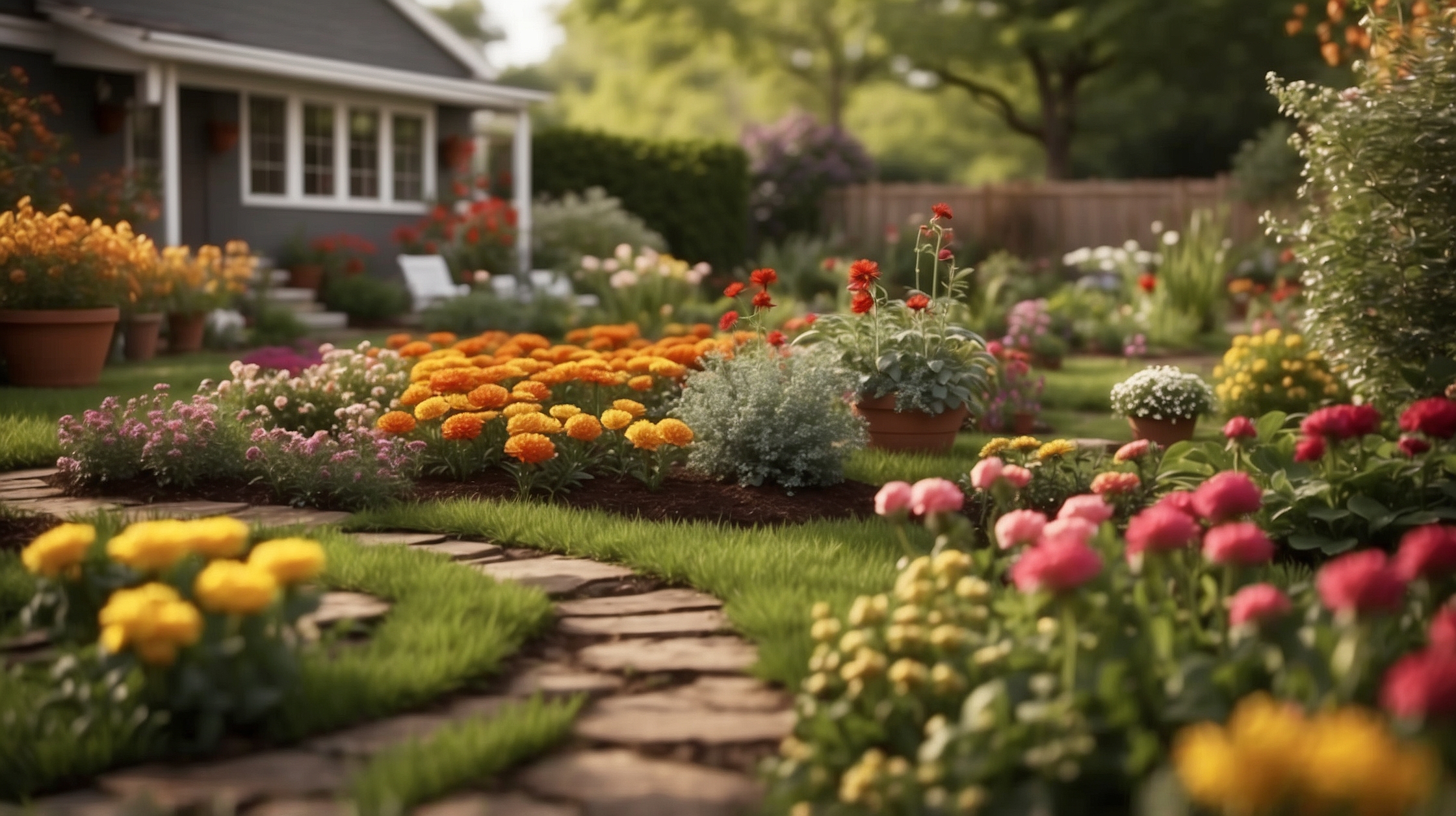
In the quiet rhythm of tending a backyard garden, there’s a satisfying sense of control. Each morning you water, you prune, and you harvest. Maybe you talk to your plants or share your bounty with neighbors. It’s a tranquil hobby that connects us to nature and delivers fresh produce straight from the earth. But for all its calm and predictability, gardening can have its hidden pitfalls—especially when habitual practices inadvertently invite unwanted guests.
Many passionate gardeners, despite their best intentions, may be unknowingly rolling out the red carpet for pests. These unwanted invaders—from aphids and beetles to fungal infestations—don’t just appear by accident. Often, common gardening routines unintentionally create the perfect breeding ground for them. And one particular habit stands out this year as being especially problematic.
We delved deep into the root of the issue, exploring why this conventional gardening approach could be backfiring. Whether you’re a novice grower or a seasoned green thumb, understanding this risk is crucial for maintaining plant health and keeping your garden thriving.
Why this gardening habit is driving more pest problems
| Key Detail | Information |
|---|---|
| Main concern | Excessive mulching with organic materials |
| Common effect | Increased moisture and shelter for pests |
| Primary pests attracted | Aphids, earwigs, slugs, fungal gnats |
| Regions affected | Primarily humid and warm climates |
| Recommended changes | Balanced mulch use, alternating materials, improved airflow |
What’s happening in today’s gardens
One of the biggest mistakes often committed—even by well-meaning gardeners—is over-dependence on organic mulch like wood chips, straw, and grass clippings. While mulch helps retain soil moisture, reduce weeds, and regulate root temperature, excess use of it, especially in wet conditions, becomes the perfect nesting medium for pests. The constant dampness underneath the mulch layer promotes fungal growth and shelters pests during the daytime.
What may seem like a protective barrier can inadvertently become a haven for destructive insects and fungi. Reports from gardeners this year highlight an uptick in infestations around thickly mulched beds, particularly during late spring and early summer when warmth and humidity intersect.
Why the problem is intensifying this year
Climate shifts and unusually prolonged warm-humid spells this season are compounding the impact. Higher precipitation has made moist environments persist longer in garden settings. These wetter-than-normal conditions mean that even small changes in routine—like adding a fresh mulch layer—have amplified consequences. With warm soil and continual moisture, pests like fungus gnats, pill bugs, and slugs find these gardens irresistible.
Insects and mollusks use the mulch not just as shelter, but also as breeding ground. Seedlings are especially vulnerable, as pests tunnel through soft mulch layers to reach nutrient-rich stems and tender leaves. “We’ve noticed a doubling of gnat larvae in high-mulch environments this year,” revealed a soil health analyst specializing in pest management.
“Gardeners often believe more mulch equals more protection. But in certain climates, moderation is the key to avoiding a biological infestation.”
— Dr. Lila Reynolds, Plant Entomologist
Who’s most vulnerable to this mistake
Backyard gardeners in coastal, subtropical, and rainy regions are particularly at risk. If you live in areas like the Southeast U.S., Pacific Northwest, or tropical islands, your garden likely experiences high humidity levels. This creates an environment where mulch doesn’t dry out completely, leading to long-term damp zones ideal for pests below the surface.
Additionally, raised bed growers and those using compost-enriched soil are seeing higher-than-average insect activity. “Organic matter is nutrient-rich and biologically active, which means it draws pests just as much as it helps your garden,” explains a pest control advisor. Such environments foster mushroom spores, fruit fly eggs, and even termites in worst-case scenarios.
Simple shifts to protect your garden
The solution isn’t to stop using mulch altogether—but to do it smarter. Here are a few tactics that can significantly reduce unintended pest attraction:
- Use a thinner layer: Keep mulch layers under three inches thick, especially during warmer months.
- Alternate materials: Mix dry mulch like pine needles or cocoa shells with moist ones like grass clippings to balance moisture rates.
- Avoid mulching near stems: Leave a few inches around the base of each plant for airflow and reduced fungal risk.
- Turn your mulch: Occasionally turning mulch allows it to dry and avoids long-term wet zones.
- Time your mulching: Late spring and summer are more optimal than early spring when soils are already wet.
“Aeration and mulch management are two of the least appreciated gardening techniques, and they can drastically shift your pest fortunes.”
— Patrice Menard, Soil & Water Consultant
Which common pests thrive under heavy mulch conditions
| Pest Type | Attraction Factor | Damage Caused |
|---|---|---|
| Fungus Gnats | Constant moisture and compost presence | Root rot through larvae feeding |
| Slugs and Snails | Dark, humid spaces under mulch | Leaf damage and seedling collapse |
| Earwigs | Cellulose-rich mulch like wood shavings | Chewed petals and fruit scarring |
| Sowbugs | Decomposing organic matter | Secondary pests that feed on weak stems |
How to incorporate pest awareness into your garden plan
To avoid future infestations, integrate pest awareness into your seasonal gardening strategy. Monitor mulch conditions weekly. Use compost thermometers to detect excess moisture. Consider interplanting repellent herbs like basil or lavender near vegetable beds. Encourage natural predators like ladybugs or toads by creating safe zones (simple rocks or water dishes).
You can also invest in physical barriers like copper strips against slugs or diatomaceous earth under mulch to deter soft-bodied intruders. Your habit doesn’t have to change completely—but it must adapt to seasonal and regional conditions.
Expert insights on keeping pests at bay
“Gardening used to be simple. But now, we must account for dynamic ecosystems and climate. Smarter practices are the real fertilizer.”
— Elena Trasko, Climate-Driven Agriculture Specialist
“We’re advising gardeners to treat mulch not as a blanket, but as a tool—it has benefits, but also precautions.”
— Howard Li, Urban Gardening Coach
Short FAQs on mulch management and garden pests
What type of mulch is least likely to attract pests?
Inorganic mulches like gravel or landscape fabric attract fewer pests, but if you prefer organic, go for pine bark or cedar which naturally repel some insects.
Can I use mulch year-round without risk?
Only in climates with low humidity. In wetter areas, year-round mulch can hold moisture and become a hotspot for pests.
How often should I replace or turn mulch?
Every 4–6 weeks during active growing seasons. Turning mulch helps it dry out and reduces hidden pest colonies.
Is compost also risky like mulch?
Yes, if it’s moist and not fully decomposed. Mature compost is less attractive to pests compared to fresh or partially broken-down matter.
What natural materials deter pests in mulch?
Cedar bark, cypress shavings, and cocoa bean hulls can help repel some insects due to their natural oils and dryness.
Does mulching around trees also attract pests?
Yes, especially if mulch piles (“volcano mulching”) up against the trunk. This can lead to trunk rot and insect invasion.
What are signs my mulch is hosting pests?
You may notice swarming insects when disturbing the layer, visible larvae, fungal growth, or unexplained plant decline.
Is landscape fabric better than mulch?
Fabric prevents weeds but offers no nutrient benefits. It doesn’t attract pests, but may limit soil health in long-term use.