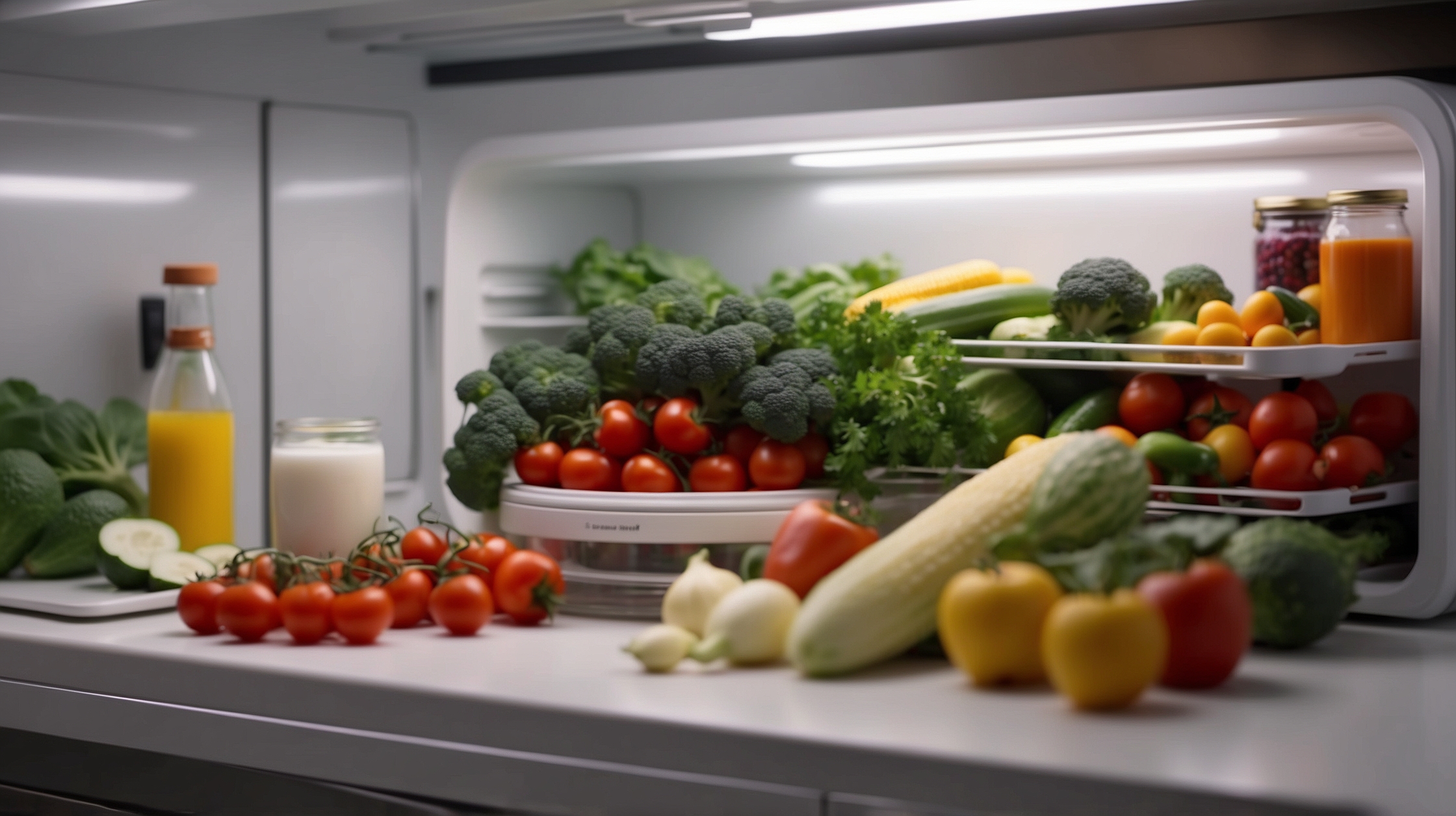
It’s a classic scenario many of us face: You buy a bunch of fresh produce with the hope of eating healthier, saving money, and reducing trips to the grocery store—only to find your leafy greens wilted, carrots limp, and herbs turning brown just a few days later. Frustrating, isn’t it? Not to mention wasteful.
While many households have tried various methods to extend the shelf life of their vegetables—from storage containers to paper towels in salad spinners—there’s one surprisingly simple solution that could significantly improve the lifespan and quality of your produce. And it’s already built into your refrigerator: the humble crisper drawer humidity setting.
This often-overlooked dial or slider can make the difference between soggy lettuce and a salad-worthy crunch. With just a minor adjustment and a little know-how about how it works, your fridge can become a veritable preservation chamber, helping you get the most out of your grocery haul week after week.
Here’s how this easy fridge hack works, why it matters, and how to implement it effectively right now—plus expert insights on other storage tips to keep your food fresher longer.
Why adjusting your fridge drawers can save your produce
| Tip | What it does |
|---|---|
| Set drawer to high humidity | Keeps leafy greens and fragile vegetables crisp |
| Set drawer to low humidity | Prevents ethylene gas build-up, keeping fruits fresh longer |
| Separate fruits and veggies | Halts premature ripening and spoilage |
| Use produce bags sparingly | Too much plastic encourages moisture and rot |
| Clean drawers regularly | Reduces bacteria and lingering odors |
Understanding how fridge humidity settings work
Most modern refrigerators come with crisper drawers labeled with adjustable humidity settings. These are usually sliders that you can toggle between “High” and “Low.” But what do these terms really mean?
Humidity settings in your refrigerator drawers control the airflow. A high-humidity setting limits the airflow, creating a sealed environment that helps trap moisture. This drawer is ideal for storing vegetables that wilt easily, like spinach, cilantro, and lettuce.
In contrast, a low-humidity setting opens vents that allow air to circulate and escape, reducing moisture levels. This setting is best used for fruits like apples, avocados, and peaches which produce ethylene gas—a natural ripening agent. Letting this gas escape prevents nearby vegetables from spoiling too soon.
Here’s how to organize your produce smarter
Maximizing your refrigerator’s humidity functions requires more than just flipping the slider. Here’s a breakdown of what items belong in which drawer for optimal freshness:
Best items for the high-humidity drawer
- Leafy greens (lettuce, kale, spinach)
- Broccoli
- Carrots
- Green beans
- Herbs like parsley and cilantro
Best items for the low-humidity drawer
- Apples
- Pears
- Peaches and plums
- Avocados
- Melons
“Think of the crisper drawers as mini climate zones tailored for different types of produce. Getting this right can double or even triple the lifespan of your fruits and vegetables.”
— Dr. Alicia Brandt, Food Scientist
Common produce storage mistakes—and how to avoid them
Even with the best setup, people often make mistakes that cancel out the benefits of high- or low-humidity drawers. Here are the frequent culprits:
- Mixing fruits and vegetables – Ethylene-producing fruits can speed up spoilage of ethylene-sensitive vegetables.
- Overcrowding the drawers – Air circulation is key; too much produce jammed into one drawer hinders humidity control.
- Storing produce too wet – Washing before storage and not drying properly leads to excess moisture and mold.
- Neglecting cleaning – Old particles, moisture, and spills foster bacteria that can speed up spoilage.
The science behind ethylene gas and produce spoilage
Fruits generate a natural plant hormone called ethylene gas as they ripen. While it’s essential for the fruit-ripening process, it’s not so friendly to vegetables. Leafy greens like lettuce and kale are extremely sensitive to ethylene, and exposure can cause yellowing, softening, or browning almost overnight.
That’s why keeping fruits and vegetables in separate drawers—and on the correct humidity settings—makes a big difference. In simpler terms, your fridge’s drawers aren’t just bins; they’re active tools that, when used properly, extend freshness and reduce waste.
Tips for maintaining fridge efficiency alongside humidity control
Adjusting humidity levels alone isn’t enough. Here are some practical steps to work in tandem:
- Ensure your refrigerator is set between 37°F and 40°F (3°C to 4°C).
- Keep produce loosely packed to allow air circulation within the drawer.
- Use breathable produce bags or damp towels for greens instead of plastic wrap.
- Label drawers clearly so everyone in the household knows what goes where.
“Simple awareness of which drawer to use, and what to store there, makes you less likely to waste food, which benefits both your wallet and the environment.”
— Chef Lauren Kim, Culinary Instructor
Mini-wins: Who benefits most from this fridge setting tweak
| Winners | Why |
|---|---|
| Vegetarians and vegans | Can keep large volumes of vegetables fresh longer |
| Families with kids | Reduces weekly grocery runs and waste |
| Meal preppers | Allows better advance planning by preventing spoilage |
| Environmentally-conscious shoppers | Minimizes food waste and unnecessary packaging |
The ultimate produce preservation checklist
- Set one crisper drawer to high humidity (closed vents)
- Set the other to low humidity (open vents)
- Store leafy, soft vegetables in high humidity drawer
- Store ethylene-producing fruits in low humidity drawer
- Clean drawers monthly with vinegar solution
- Avoid washing produce until you’re ready to use it
Frequently asked questions about crisper drawer settings
What’s the difference between high and low humidity settings?
High humidity traps moisture by closing vents, ideal for leafy greens. Low humidity allows air to escape, good for fruits that emit ethylene gas.
Can I use just one humidity setting for all my produce?
You can, but it’s not ideal. Using both drawers differently will significantly extend the lifespan of different produce types.
Which drawer should I use for storing apples and pears?
Apples and pears are ethylene producers and should go in the low-humidity drawer.
Is it safe to wash vegetables before storing them?
It’s better to wash produce right before use. Excess moisture leads to quicker spoilage and mold growth.
How often should I clean my fridge drawers?
At least once a month. Regular cleaning prevents bacteria and foul odors from affecting your produce.
Can I use plastic storage containers inside crisper drawers?
Yes, but make sure they’re ventilated. Airtight containers can trap humidity and accelerate rotting.