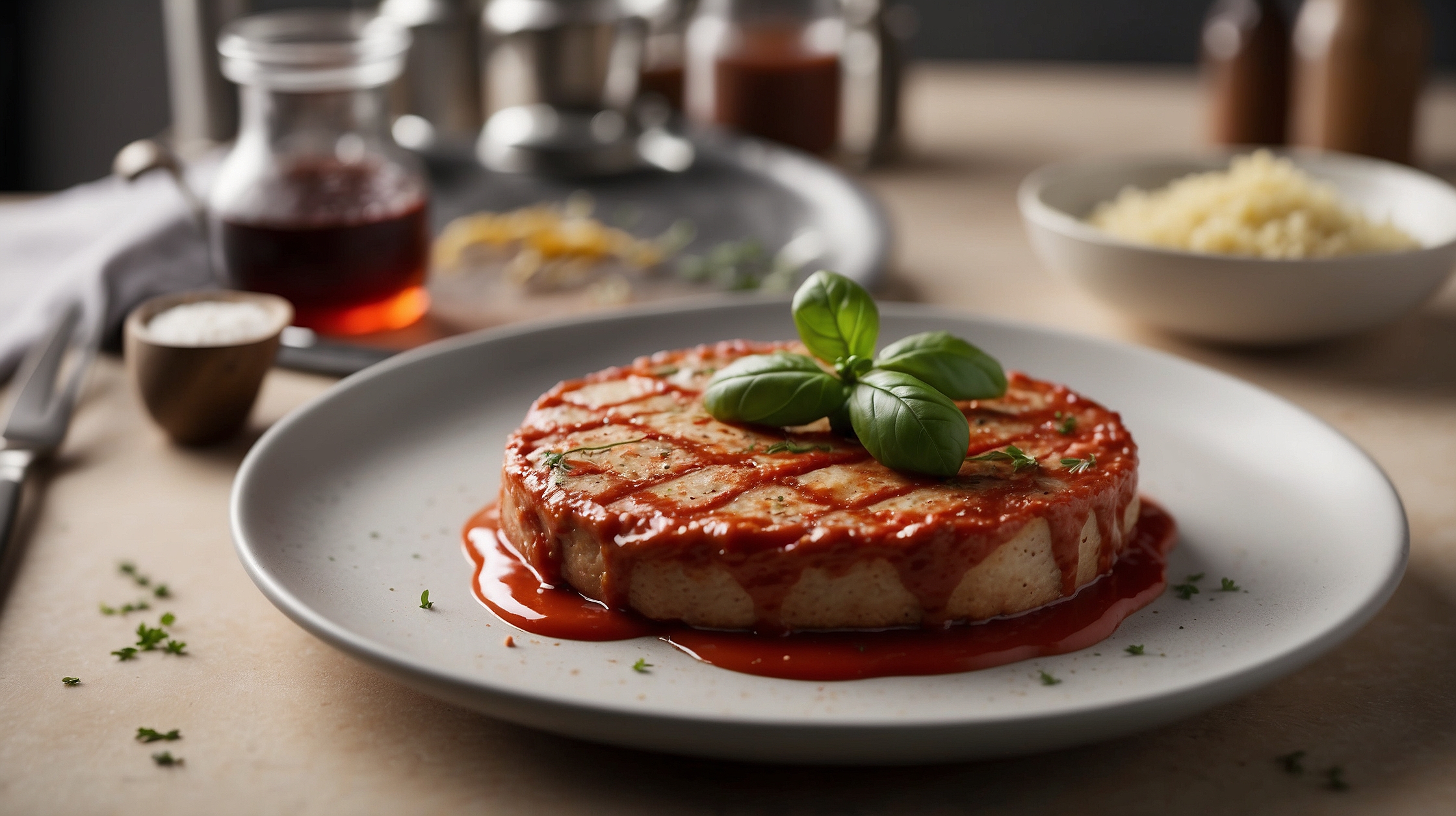
There’s something comforting about the simmering of a sauce. A savory aroma filling the kitchen, a gentle bubble at the surface, and the promise of flavor layered with care. But while many culinary techniques can be bent for the sake of speed, some shortcuts brew disaster instead of depth—especially when it comes to building a velvety, cohesive sauce.
Picture it: You’ve carefully prepped your mirepoix, selected a high-quality broth, reduced with patience, only to find your sauce separating or turning gritty the minute it hits the plate. The culprit? A quick stir with the wrong fat—**butter that’s too hot or improperly integrated**. Surprisingly, many home cooks and even professionals fall into this trap, chasing efficiency at the expense of emulsion.
This isn’t just a minor hiccup; it’s a chemistry issue that blindsides your sauce. One shortcut, in particular, leads to the slow breakdown of your sauce’s most critical elements—without any visible warning signs until it’s too late. Understanding why this happens is not just a win for better taste, but for your entire sauce repertoire across pasta, roasts, and stir-fries.
Key facts about how improper butter use ruins sauces
| Common Mistake | Adding hot melted butter into sauces too quickly |
| Main Effect | Breaks emulsification, causing separation |
| Visual Signs | Often none—sauce looks smooth before breaking |
| Best Practice | Add cold butter slowly while whisking off-heat |
| Applies To | Pan sauces, beurre blanc, cream sauces, gravies |
Why butter can break your sauces if handled improperly
Butter is a foundational fat in many sauces. But not all butter additions are created equal. When butter is melted down and added to hot liquids or reductions, its water and fat components often separate. Without proper technique, instead of binding your sauce into luxurious creaminess, that melted butter floats and breaks down the emulsion.
The result is a sauce that looks fine for a few seconds—then transforms into a greasy, broken mess. And here’s the tricky part: **there are no immediate visual warnings**. Unlike curdling or burning, this kind of emulsification failure happens invisibly and suddenly.
That’s why many cooks continue to add overheated butter into their pans, thinking they’re enhancing flavor and gloss. Instead, they unknowingly sabotage the sauce’s texture and mouthfeel.
The chemistry behind emulsification and sauce cohesion
At its core, a stable sauce depends on emulsification—the process of bonding two liquids that normally don’t mix, like fat and water. Proteins, sugars, starches, and gentle heat all contribute to this bonding process. When butter is used correctly, its milk solids and water act as natural emulsifiers that hold the sauce together in harmony.
However, when butter is melted and heated rapidly, its water evaporates, and the remaining fat becomes more volatile. If poured into a hot reduction at this stage, the sauce no longer has the means to emulsify smoothly. Instead of binding, the fat separates—coating the tongue with an oily texture and dulling the flavors you worked so hard to develop.
How to properly integrate butter into hot sauces
Fortunately, good technique can preserve your sauce’s texture—and it starts with temperature and timing.
Here are a few essential steps to integrate butter the right way:
- Remove your pan from direct heat before adding butter.
- Use cold, diced butter straight from the fridge. Small chunks melt more slowly, giving time for emulsification to occur.
- Whisk continuously as you add butter chunk by chunk. The agitation helps the fat and water bond.
- Reduce the sauce to a low simmer before adding butter, not while it’s still boiling.
- Avoid adding too much butter at once, which can overwhelm other emulsifiers in your sauce.
This method isn’t just for pan sauces. It applies to everything from beurre blancs and hollandaise variations to gravies and even creamy tomato sauces.
What to do if your sauce breaks
Even the best of us face broken sauces from time to time. If your sauce starts to separate, don’t panic. Here are a few quick fixes to try:
- Whisk in a splash of cold water rapidly to shock and rebind the emulsion.
- Add a spoonful of cream or a starchy liquid (like pasta water or roux-thickened stock) to stabilize the mixture.
- Blend the sauce briefly using an immersion blender to redistribute fat droplets.
“Sometimes people think a broken sauce means start over, but it’s often salvageable. Fat doesn’t vanish—it just needs guidance to behave.”
— Lily Chen, Culinary Instructor and Recipe Developer
Real scenarios when sauce shortcuts backfire
Consider the common case of a red wine reduction. It starts savory and rich with pan drippings and stock. Many cooks melt butter to swirl in “for gloss” right before serving. But if that butter was melted in the microwave or left sitting out, its emulsion is already broken—and it instantly destabilizes the sauce. The resulting greasiness coats the mouth and mutes the wine’s complexity.
Another classic example: Beurre blanc. This delicate French butter sauce relies entirely on slow emulsification of cold butter into acidic wine and shallot base. Just one hot spoonful of melted butter can destroy this fragile balance and cause total separation.
Winners and losers in sauce-making
| Winners | Losers |
|---|---|
| Chefs using cold cubed butter added gradually | Home cooks pouring melted butter directly into hot sauce |
| Recipes that finish sauces off-heat before buttering | Dishes where butter is used solely for visual shine |
| Sauces incorporating heavy cream or stock for buffer | Over-reduced sauces with little liquid buffer left |
How to build a sauce toolkit for long-term success
A chef’s sauce toolkit goes beyond ingredients. It includes knowledge about fats, emulsification triggers, heat levels, and essential equipment. Build your own go-to practices:
- Invest in a good-quality whisk and steel saucepan
- Always keep a chart or memory map of fat-to-liquid ratios
- Experiment carefully with acid and heat responses
- Know when to pull sauce off heat and let carryover do the work
Once you grasp the role that temperature and fat forms play in sauce-making, your culinary confidence rises dramatically. And yes—the difference shows on the plate.
Why this mistake persists in so many kitchens
Part of the problem is misinformation. Many popular food shows and recipes demonstrate a last-minute butter swirl without showing the preparation behind it. Viewers assume it means melted butter straight from a ramekin. In truth, these final touches are almost always cold emulsions or low-tempered pieces carefully added as finishing agents.
“Teach students to respect emulsification early, and they’ll carry that lesson longer than any recipe.”
— Jacob Mendez, Culinary School Director
Final thoughts on mastering sauce structure
A well-structured sauce enhances any dish—it carries aromatics, balances acidity and fat, and delivers that finishing finesse. But rush the process, and shortcuts like overheated or melted butter can ruin the final result, silently and swiftly. By cooling down your impatience alongside your butter, you’ll solidify more than sauces—you’ll deepen your understanding of the alchemy of great cooking.
Frequently asked questions about using butter in sauce making
Why shouldn’t I use melted butter in sauces?
Melted butter can separate into fat and water once heated, disrupting emulsification and causing the sauce to break.
Can I use clarified butter instead?
Clarified butter lacks the water and milk solids needed for emulsification, so it’s not ideal for final sauce integration but works well for high-heat cooking.
Is it ever okay to add melted butter to a sauce?
Only if it’s done extremely slowly and the sauce has stabilizing agents like cream or starch—but cold cubed butter is still far superior.
How can I tell if my sauce will break?
It’s hard to predict, which is why preventative technique matters—when in doubt, add butter off-heat and whisk constantly.
Do all sauces require butter?
No. Many cultures use oils, ghee, animal fats, or dairy stabilizers instead. However, butter is central to French and Western sauces.
What are alternatives to butter for richness in sauces?
Heavy cream, coconut milk, reduction of bone broth, and olive oil can add body and gloss without relying on butter.
Why does my sauce “look” fine but taste greasy?
Because emulsification failed invisibly. The sauce may appear smooth but separates on the palate or as it cools.
Does whisking faster help fix a broken sauce?
It can help temporarily. But to truly fix a broken sauce, introduce a cooling or binding agent while whisking steadily—not just rapidly.