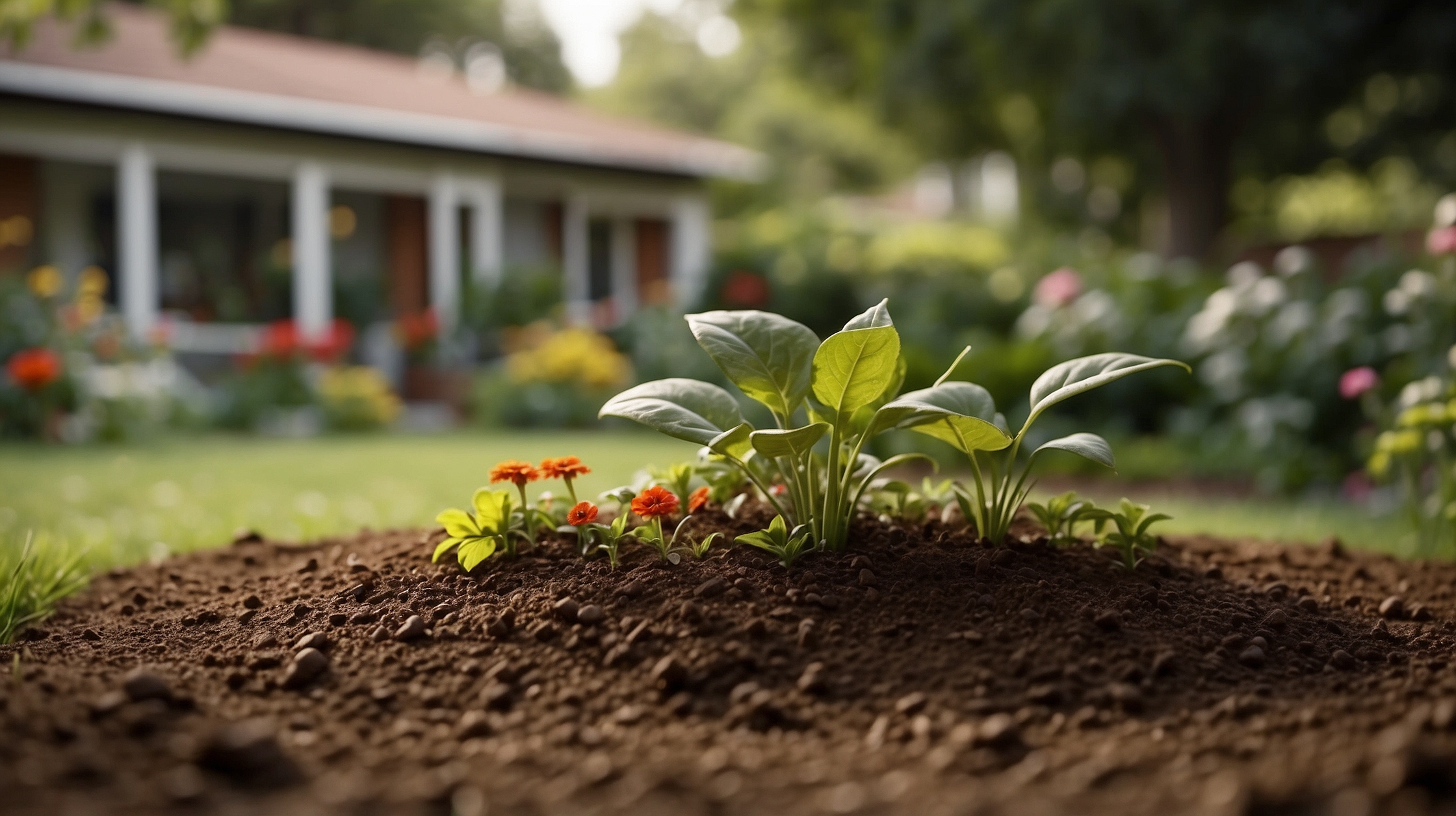
As spring rolls in and gardens burst into life, homeowners and gardening enthusiasts alike begin turning their attention to their landscapes. Lush lawns, blooming flowers, and fresh vegetables signal the start of another growing season—but behind every vibrant garden lies one critical element: proper drainage. Without it, even the most carefully planned plantings can drown in excess water, susceptible to rot and disease. For years, gardeners have relied on expensive drainage solutions or labor-intensive methods with varying levels of success.
One experienced gardener, however, stumbled upon a surprisingly simple yet powerful method that is reshaping how we approach garden drainage—without breaking the bank or introducing chemicals. This trick, born out of observation and a bit of experimentation, is already gaining traction with ecologically-minded growers and DIY landscapers alike. The best part? Anyone with a spade and some garden waste can implement it in a single afternoon.
What makes this method so revolutionary isn’t just its low cost—it’s the natural synergy it forges with the soil it’s meant to protect. For busy homeowners, it offers an easy way to improve garden health. For permaculture enthusiasts, it aligns with core principles of sustainability. Let’s dig into what this trick is, how it works, and why the garden world is buzzing about its benefits.
Why smart garden drainage is critical
| Aspect | Details |
|---|---|
| Problem Addressed | Poor garden drainage leading to waterlogging and root rot |
| Solution | Layering garden waste to create natural sponge-like conditions |
| Cost | Nearly free (uses recycled organic material) |
| Accessibility | Beginner-friendly, suitable for all garden types |
| Time to Implement | As little as one afternoon |
| Long-Term Benefit | Improves soil quality, drainage, and plant health |
Understanding the natural drainage trick
The method involves creating what’s known among gardening friends as a “living sponge trench”—a layered bed within your garden designed to absorb and slowly redistribute moisture. The core idea is simple: by digging strategically placed shallow trenches near key plants or garden beds, then filling them with layered organic materials like twigs, leaves, cardboard, and kitchen scraps, you mimic the way forests absorb rainfall. These materials act as a sponge underground, preventing both water logging and rapid runoff.
Over time, as the organic material decomposes, it breaks down into rich, water-retentive humus that continues to feed the soil. This method also creates mild anaerobic conditions ideal for fungi and microbial life that support plant roots and fight off disease. Best of all, it’s a closed loop—you’re not removing waste but reusing it, all while improving your yard’s ecological and water management systems.
Materials you’ll need to get started
This method thrives on common, easily accessible materials. Here’s a checklist of recommended items:
- Old twigs or small branches
- Dried leaves and grass clippings
- Shredded cardboard or newspaper (non-glossy preferred)
- Fruit and vegetable kitchen scraps
- Topsoil or compost to cover the trench
- A shovel or hand trowel
Assembling these materials not only helps you save money, but also reduces overall household waste. This eco-friendly aspect adds to the appeal of the method, especially among urban gardeners with limited space and budgets.
Step-by-step guide to creating your sponge trench
Follow these steps for implementing the sponge trench technique in your garden:
- Identify low-lying or soggy spots in your garden where water collects or drainage is poor.
- Dig a shallow trench approximately 6–12 inches deep and 6 inches wide near plants suffering from poor drainage.
- Layer the bottom with dry twigs—these give structure and allow water to percolate slowly.
- Add a layer of cardboard or newspaper to retain moisture and block weeds.
- Top this with fruit and vegetable scraps or fresh grass clippings to attract microbial life.
- Follow with older leaves or compost as a cap to balance out the nitrogen-rich materials.
- Finally, refill the trench with soil, mounding slightly to allow for settling.
Water the area lightly after layering to activate the decomposition process and create a damp environment perfect for fungal networks. Within a few weeks, you should notice lower areas holding less standing water and plants appearing more vibrant.
Scientific rationale and ecological benefits
This trench system mimics natural forest processes. In the wild, decaying wood and organic debris form micro-ecosystems that absorb water and support plant life. By replicating this in a smaller setting, the garden benefits from improved microbial diversity, nutrient cycling, and root resilience. Additionally, because the trench promotes slow water movement, it reduces surface erosion and the loss of topsoil—a major issue in home gardens exposed to heavy rain.
The system benefits not only the immediate trench area but nearby beds as well. Root systems often extend toward the moisture-rich conditions, which makes it particularly useful for thirsty perennials, vegetables, or flowering shrubs.
“By reusing garden litter in a smart way, we close the loop between growth and decay. It’s circular agriculture at its most accessible.”
— Dr. Lila Morgan, Soil Ecologist and Urban Sustainability Advisor
Long-term advantages over traditional drainage systems
Conventional drainage solutions often involve installing piping systems or bringing in heavy amendments like sand or gravel. These solutions can cost hundreds—or even thousands—of dollars depending on the garden’s size. They’re also difficult to adjust or expand. The sponge trench method on the other hand:
- Is practically free to build
- Improves over time as it decomposes
- Can be replicated or adjusted without professional help
- Reduces waste while improving soil fertility
“This method cultivates not only healthier plants, but smarter gardeners. Once you try it, you won’t go back.”
— Ethan Cruz, Permaculture Educator
Garden types and layouts where it works best
This drainage approach is extremely versatile and adaptable to both small and large gardens. The most ideal spots include:
- Vegetable gardens prone to puddling
- Backyards with compacted or clay-heavy soil
- Raised beds needing improved irrigation channels
- Garden paths where water tends to flow heavily
It’s also an excellent solution for deep-bedding under newly established fruit trees or bushes that require consistent moisture without saturation. For urban gardeners using containers or vertical beds, similar concepts can be applied by layering container bases with bio-organic filler before adding potting soil.
Common mistakes to avoid when using this method
While the approach is beginner-friendly, there are a few pitfalls to keep in mind:
- Using oily, grilled, or meat-based food scraps (which attract pests)
- Packing the trench too tightly, which can limit airflow
- Failing to water after building the trench
- Using glossy or chemically treated paper products
By keeping things natural and loosely layered, you’ll maximize both aeration and biological activity in your sponge trench, ensuring it transforms into a long-lasting ecological tool.
Future-proofing your garden with this method
As climate patterns shift and rainfall becomes harder to predict, gardeners must adopt strategies that offer both resilience and sustainability. Techniques like sponge trenches serve as passive climate adaptation tools, buffering against both drought and flooding scenarios. Over time, gardens enriched by this method are naturally conditioned to weather extremes better than those dependent on artificial systems.
Short FAQs for easy reference
How deep should I dig the trench?
Typically, 6–12 inches deep is sufficient, but adjust based on your soil type and plant needs.
Is this method safe for vegetable gardens?
Absolutely. Just avoid introducing any dairy, meat, or oily food scraps to prevent contamination and pests.
How long does the trench take to start working?
You may notice improved drainage within 2–3 weeks, with lasting effects growing season after season.
What materials should I avoid placing in the trench?
Do not use treated wood, glossy paper, non-degradable plastics, or chemical-laden scraps.
Can I plant directly over the trench?
Yes, though it’s best to wait a couple of weeks so the organic material begins decomposing properly.
Will this attract pests like rodents or ants?
If you avoid meat or sugary scraps and keep it well-covered, pest problems are minimal.
How often do I need to rebuild or refresh it?
Plan to refresh the trench every 1–2 years, depending on how quickly the organic matter breaks down.
Is this method suitable for container gardening?
Similar layering principles can be applied in pots, helping retain moisture while improving aeration.