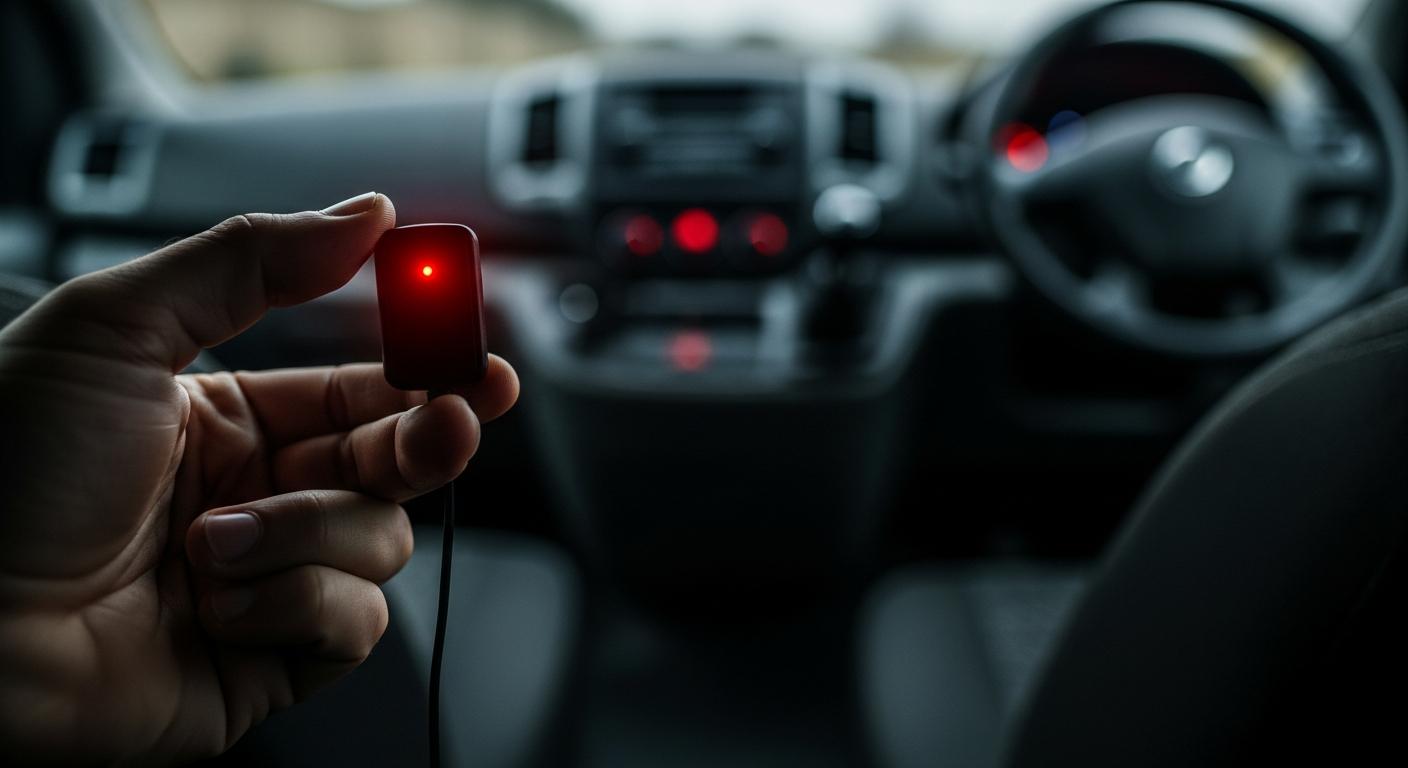
When you purchase a used vehicle, you expect a few surprises. Maybe a forgotten receipt tucked into a glove compartment, a scuffed seat corner, or a scratched bumper—minor details that reveal the life and journey of a car’s past owner. But what if the surprise was more unsettling? What if hidden beneath the panels and wires, there was a device silently watching and transmitting your every move?
That’s precisely the bizarre and unsettling experience that one TikToker faced after buying a used van. What started as an exciting new chapter quickly turned into a detective mission when the new owner stumbled upon a device that had no business being there—a discreet tracking system seemingly installed covertly. As the story unraveled on social media, it didn’t just spark curiosity. It sparked alarm, raising questions among vehicle owners and privacy advocates.
This unexpected discovery has since stirred massive attention online, pushing many to ask: How can you tell if your car is being tracked? Who installed the tracker and why? And most importantly, what rights do car owners have when it comes to privacy in their own vehicles? Let’s dive into this wild story and extract the important lessons every car buyer should know.
Key facts about the vehicle tracking incident
| Incident | Used van purchased with a hidden GPS tracking device installed |
| Discovery | Device was found unintentionally during inspection of the van’s interior |
| Platform | Shared the discovery on TikTok, garnering viral attention |
| Owner’s reaction | Alarmed and concerned for their privacy and security |
| Potential risks | Surveillance, stalking, unauthorized location tracking |
| Next steps | Tracker removed, possible police involvement considered |
How one TikToker uncovered a hidden GPS device
It all started quite normally. The buyer, excited about a second-hand van they had recently acquired, began a routine interior inspection. They weren’t expecting anything out of the ordinary. But while examining wires underneath the dashboard—perhaps for routine maintenance curiosity—they noticed something out of place. A strange black square, tightly taped with wires attached to what looked like a power source.
Recognizing that something didn’t seem right, they decided to investigate further. What was assumed to be standard vehicle wiring turned out to be much more: a discreet, professionally installed GPS tracking device. The moment was immediately captured and shared in a video that quickly amassed hundreds of thousands of views on TikTok, drawing reactions from viewers ranging from spooked to outraged.
The deeper concerns tracking devices raise
Hidden tracking devices can stir more than just curiosity—they unlock a Pandora’s box of ethical, legal, and safety questions. While tracking technology has legitimate uses, such as fleet management or stolen vehicle recovery, their clandestine use in private cars without the owner’s knowledge is a serious violation.
“This is a huge red flag for personal privacy. We need better regulations and consumer protections for situations like this.”
— Jamie Nolan, Digital Privacy Advocate
The shock of the discovery resonates because it touches on a fundamental assumption many of us hold—that our private vehicles are exactly that: private. Hidden trackers compromise that trust. They could be used by previous owners, dealerships, or even malicious actors. Imagine your location being broadcast without your consent or knowledge. It’s not just creepy—it’s dangerous.
Why would someone install a hidden tracker?
There are several plausible, although equally disturbing, reasons why someone would go through the effort of secretly installing a GPS tracking system in a personal vehicle.
- Repossession monitoring: Car sellers or lenders sometimes use tracking devices to monitor for defaulted payments. Ethical businesses disclose this. Unethical ones don’t.
- Stalking: Unfortunately, a hidden tracker is a known tool in abusive relationships or stalking cases, allowing perpetrators to follow victims in real-time.
- Theft recovery: Some owners install tracking devices to recover the vehicle if stolen—but sometimes forget to remove them when selling.
- Monitoring habits: Selling or rental companies might use trackers to monitor behavior or location and charge extra fees.
Regardless of the “why,” the lack of disclosure renders their presence invasive and potentially illegal depending on jurisdiction.
What to do if you suspect your car is being tracked
If you’re concerned a tracking device could be in your vehicle, you’re not alone, and you’re not helpless either. Experts recommend several key steps:
- Inspect thoroughly: Check under dashboards, behind wheels, under seats, and around battery terminals. Trackers often hide in these inconspicuous locations.
- Use a bug detector: These affordable devices pick up signals emitted by GPS units or audio/video recording bugs.
- Visit a professional: Car alarm retailers or private investigators can do a full sweep to detect and remove hidden electronics.
- Report the incident: If you confirm the device was secretly installed, involving local authorities could be crucial for legal action.
“When you’re buying used vehicles, never assume it’s entirely clean. Bring it to a pro, especially if you’re concerned about prior tracking.”
— Marcus Bell, Auto Security Technician
Legal grey areas and consumer protections
The legality of hidden tracking varies by jurisdiction. In general, installing a tracker on a vehicle you do not own or lease is illegal in most states and can lead to charges involving stalking, invasion of privacy, or even wiretapping in digital surveillance contexts.
However, when a tracker remains in a sold vehicle, the law blurs. If the previous owner “forgot” or left it behind without malicious intent, proving illegal intent becomes challenging. This murky territory highlights a glaring absence in legal protection in private car sales.
How common is this creepy issue?
While rare, hidden vehicle trackers are more common than most people suspect. According to one recent consumer report, approximately 5% of checked used cars were found to have aftermarket electronic devices that owners weren’t aware of. Most were benign—dashcams or tire pressure sensors—but some were undeniably sinister.
Increased awareness and public stories like this TikTok video are encouraging more buyers to inspect and document their vehicle’s contents carefully after purchase.
How to protect yourself when buying a used vehicle
To avoid falling victim to a similar situation, follow these smart steps when you’re ready to buy a used car:
- Always request a **full vehicle history report** and look for red flags.
- Have the car thoroughly inspected by a mechanic or alarm specialist.
- Use electronic signal scanners if you suspect anything unusual.
- Monitor battery drain—trackers continually broadcasting signals can consume battery.
- Check with local regulators or authorities about your **rights as a buyer**.
“If you’re buying a used car today, treat it like a smart device—not just a car. Because in many cases, it is.”
— Dr. Alicia Chen, Cybersecurity Specialist
Short FAQs about hidden tracking devices in used cars
What are the signs my car is being tracked?
Unusual battery drain, mysterious wires, or external devices taped or fixed under the car may suggest a hidden tracker.
Can I legally remove a GPS tracker from my own car?
Yes, if you own the vehicle outright, you have the right to remove any device not installed by you or disclosed during purchase.
Is it legal to install a tracker in someone else’s car?
In most jurisdictions, no. Installing a GPS device on a car you don’t own without consent is considered illegal surveillance or stalking.
What should I do if I find a hidden tracker?
Document it, remove it safely, and consider contacting authorities—especially if you suspect malicious intent.
Are tracking devices common in used cars?
They are not extremely common, but not rare either. Various reports suggest a small percentage of used cars still have undetected devices installed.
Can dealerships install trackers without telling buyers?
They can, but it must be disclosed. Undisclosed installation could open them up to legal challenges and liability.
How do I know if a vehicle tracking device is still active?
Use a signal detector or bring your vehicle to a specialist who can check for active GPS signals or cellular communication.
Can a tracking device be linked to a phone app?
Yes. Many trackers are linked to mobile apps and can upload real-time data to third-party servers or phone devices.