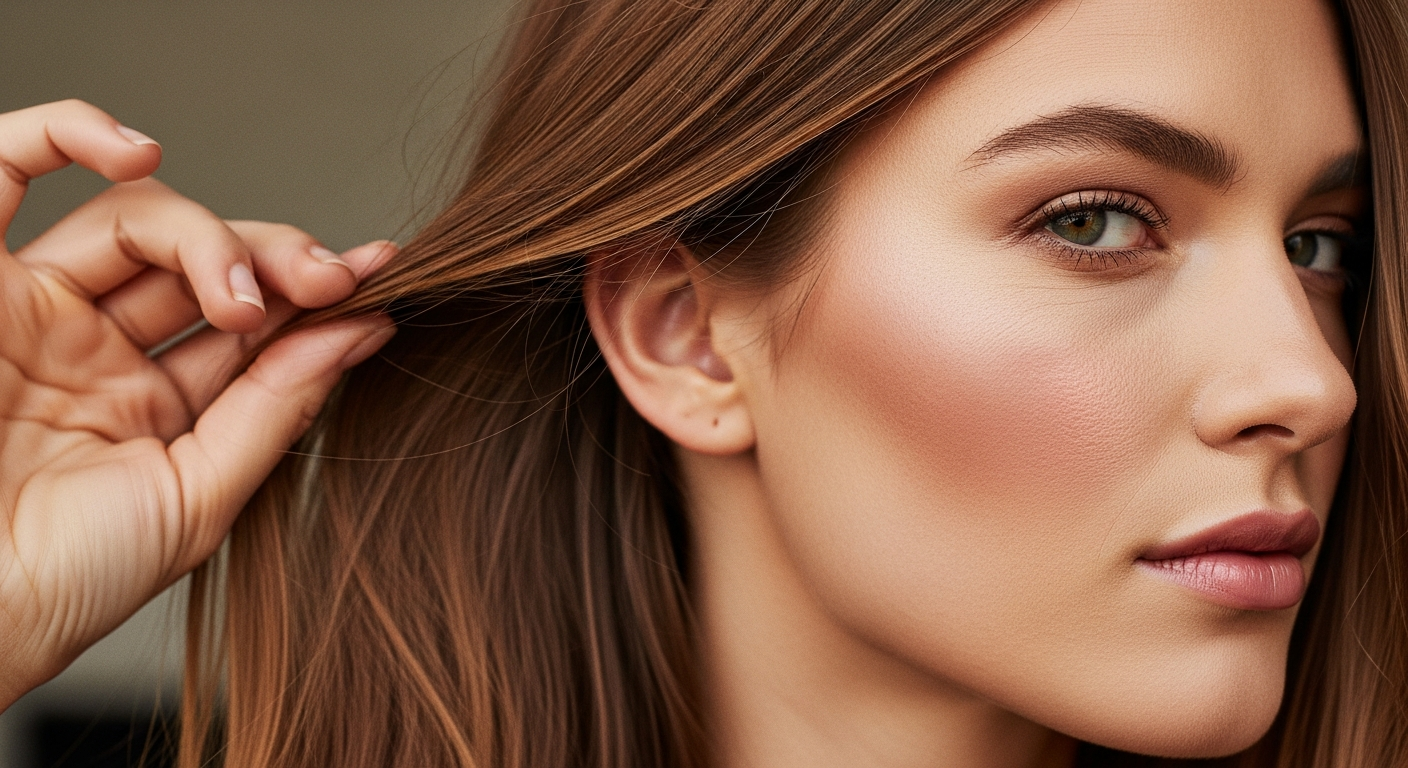
In the world of beauty and fashion, the smallest changes in styling can have a dramatic impact on overall appearance. One such subtle, yet stunning transformation lies not in a makeup technique or a pricey hair product, but in a simple gesture: tucking your hair behind your ears. As trends lean into more natural and effortlessly elegant aesthetics, stylists and influencers alike are rediscovering the power of this understated grooming habit. What was once an unconscious, even nervous tic, has now surged to become a defining feature in red carpet looks and street-style snaps.
This minute adjustment is causing a wave of admiration on beauty forums and social media platforms, not just for the elegance it brings, but for the surprising sculptural quality it lends to the face. With one swift gesture, the contours of the face—especially the cheekbones—are lifted and revealed, transforming the profile. Unlike other style choices, this move requires no accessories, no tools, and no expense—just a touch of intention, and perhaps a bit of styling finesse. With the growing popularity of low-effort, high-impact beauty routines, tucking hair behind the ears has emerged as a style cue that can make anyone appear more refined, fresh-faced, and fashion-forward.
Whether you are heading into a Zoom call, stepping out for dinner, or posing for photos, this hairstyling technique is proving to be a game-changer. Experts suggest that with just a little planning, it can do more than just neaten up your mane—it can radically redefine the structure and allure of your face.
Why tucking hair behind the ears is trending now
| Aspect | Details |
|---|---|
| Simplicity | Quick, effortless way to upgrade a look |
| Face Definition | Enhances cheekbones and creates facial symmetry |
| Versatility | Works with a range of hairstyles from sleek to casual |
| Fashion Appeal | Adopted by celebrities and fashion influencers |
| Psychological Impact | Signals confidence and openness |
The facial structure advantage of tucking your hair
One of the main reasons the tucked-behind-the-ears styling has garnered so much attention is its ability to visually enhance the structure of the face. By pulling hair away from the cheeks, the bones beneath—especially the cheekbones—become more pronounced. This not only helps in creating a more angular and defined look but also softens the overall facial expression by framing it symmetrically.
This technique mimics the effects typically achieved with contour makeup—minus the effort or cosmetic layers. The sides of the face appear lifted, eyes look more open, and the jawline appears slightly sharper. It is especially beneficial for those with rounder faces who wish to add a touch of structure or for anyone seeking to highlight natural facial angles.
When and where to use this style move effectively
Knowing when and how to use this styling trick effectively is essential. While it can add sophistication to a casual weekend ensemble, it becomes positively transformational when paired with more formal attire or groomed makeup. Ideal occasions include business meetings, photoshoots, first dates, or social gatherings where making a subtle but confident impression is key.
This look pairs especially well with certain wardrobe items such as turtlenecks, off-shoulder tops, or blazers, allowing the open facial structure to be the focal point. For those who wear glasses or statement earrings, tucking the hair behind the ears beautifies the effect, bringing attention to these accessories in a tasteful manner.
How to properly style your hair for the tucked-in look
Successfully pulling off the tucked-behind-the-ears look requires a few styling steps. While the gesture itself is simple, a polished effect usually calls for preparation:
- Start with clean, dry hair: Oily or overly voluminous hair may not stay in place during the day.
- Apply a lightweight cream or mousse: This gives hair subtle structure without weighing it down.
- Use a flat iron or blow dryer if needed: Straight or softly waved locks work best for this style.
- Tuck gradually, starting with one side: Use the pad of your fingers and a mirror to check symmetry.
- Lock the style in: A light mist of setting spray or a dot of pomade near the temples can hold the hair in place.
“Hair tucked behind the ears can transform an ordinary look into something extraordinary—especially when paired with strategic makeup and accessories.”
— Lila Kwan, Celebrity Hair Stylist
Complementing your face shape with the tuck
Every face shape can benefit from hair tucking, but the result varies. Here’s how it complements various facial structures:
- Round faces: Creates an elongated effect by exposing more of the cheekbone area.
- Oval faces: Offers balanced symmetry—ideal for maintaining harmony.
- Square faces: Softens the jawline when paired with slightly curled ends.
- Heart-shaped faces: Highlights small chins and cheekbones more prominently.
“Tucking your hair can help accentuate a woman’s most compelling features—often more effectively than makeup.”
— Maren Ortega, Fashion & Style Advisor
Why experts link this gesture to confidence and openness
Beyond aesthetics, the act of tucking one’s hair behind the ears communicates subtle psychological cues. According to behavioral experts, exposing the ear and facial structure is a nonverbal sign of openness and attentiveness. In social and professional settings, it can signal that you are engaged and confident.
More than just a hairstyling tip, it becomes a body language tool. Particularly in interviews, meetings, or formal settings, this styling choice may contribute to a more trustworthy, approachable persona.
“People often underestimate how powerful grooming cues like hair styling can be in influencing perceptions during communication.”
— Dr. Nathan Reid, Body Language Psychologist
Who’s embracing the trend and making it iconic
From runway models to everyday influencers, the tucked hair look has become a beauty staple. Celebrities such as Zendaya, Margot Robbie, and Emma Watson have embraced the style, pairing it with elegance and minimalist fashion. Their effortlessly chic appearances lend credibility to the ease and universal appeal of this hair move.
Social media platforms are flooded with tutorials figuring out how to best integrate this styling trick into daily routines. The strength of the trend lies in its accessibility—it requires no professional tools or training, just an eye for balance and detail.
Fashion wins and potential misses of the style
| Winners | Losers |
|---|---|
| People with strong cheekbones | Very curly hair types that resist tucking |
| Formal and semi-formal attire outfits | Hectic, windy environments where hair won’t stay in place |
| Short to medium-length hairstyles | Overly layered hair that won’t sit uniformly |
Short FAQs about tucking hair behind the ears
Does tucking hair behind the ears work for all hair types?
While it can work for most hair types, fine to medium textures work best. Extremely curly or heavy layered hair may need additional styling support.
Can I tuck hair behind the ears with short hair?
Absolutely. As long as the strands can reach behind the ears, the look is achievable with pixie cuts, bobs, and shoulder-length styles.
Does this hairstyling trick really make cheekbones pop?
Yes, exposing the upper cheeks can add visible lift and definition, similar to the effect of contour makeup.
Is this look appropriate for formal occasions?
Definitely. When paired with the right outfit and grooming, the style can look polished and intentional.
Will this hairstyle stay in place all day?
With the help of a light styling product or pins hidden behind the ears, it can easily last throughout the day.
How often should I use this style to avoid hair damage?
The gesture itself is harmless, but repeated use of styling sprays or hot tools should be balanced with good hair care regimes.
Does ear exposure affect how jewelry is perceived?
Yes. Statement earrings become more noticeable and part of the overall aesthetic when the ears are unobstructed, elevating the look.
Would this look work for men as well?
Yes, men with longer hairstyles can adopt this look for a cleaner and more structured facial frame.