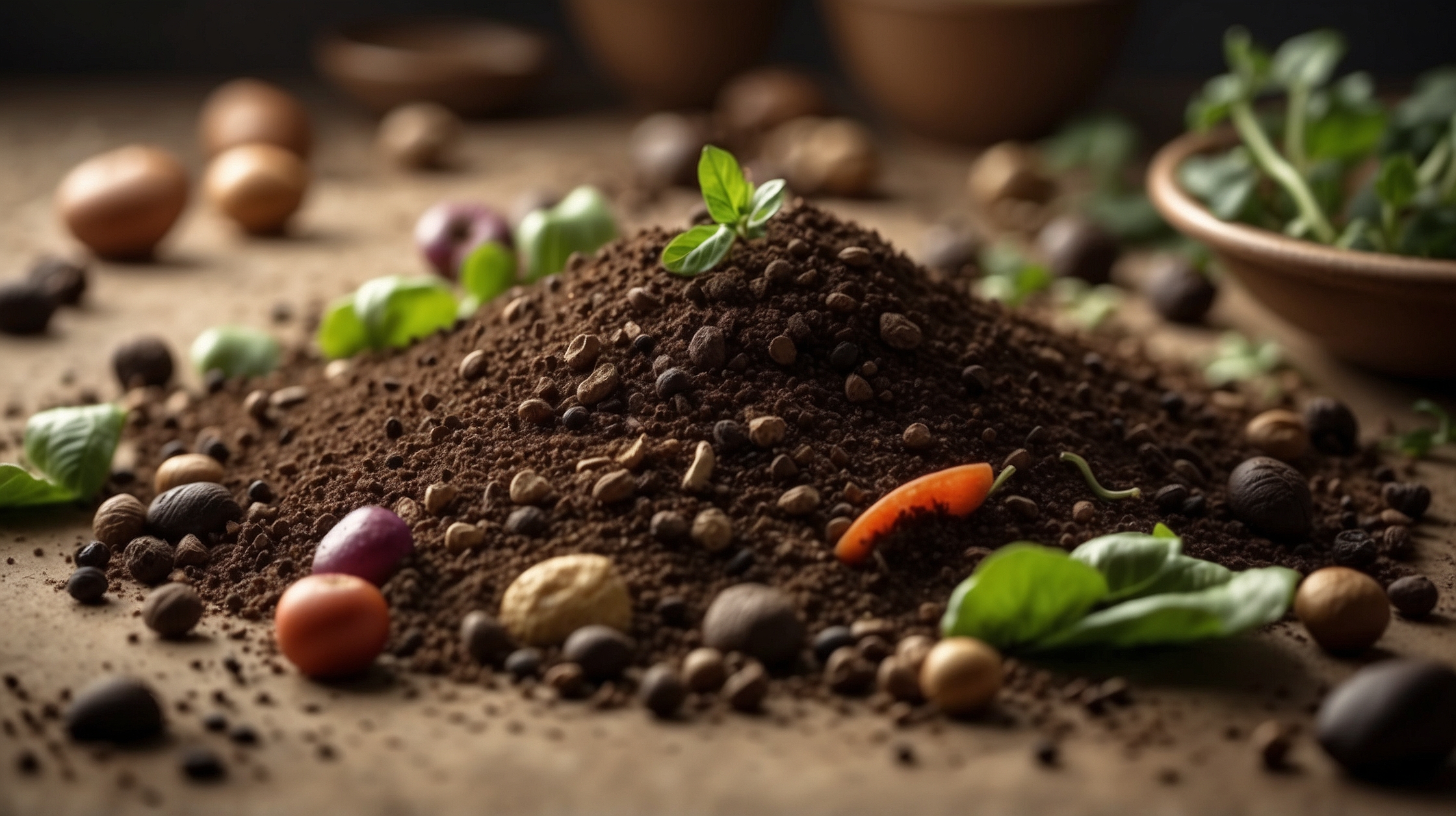
On a warm Saturday morning, Suda wandered into her backyard, gripping a small bucket filled with vegetable peels, coffee grounds, and leftover rice. It was a morning ritual that had become second nature—ever since she began composting, life had taken on a new rhythmic simplicity. Just a few months earlier, her trash bins had overflowed with food scraps, sending wafts of unpleasant odors wafting through her home. Today, her garden bloomed brighter, and her trash had shrunk dramatically. The transformation wasn’t magical. It was compost.
Composting isn’t just a trend—it’s a quiet revolution rising out of homes and urban corridors alike. As people search for sustainable solutions to battle rising waste levels and environmental degradation, the humble compost heap offers a powerful answer. Beyond reducing landfill burdens, composting breathes life into tired gardens, nourishing soil with rich organic matter. It’s nature’s way of recycling—the kind that transforms banana peels and faded spinach into a verdant future.
Yet, despite its many benefits, misconceptions still hover. Isn’t composting messy? Doesn’t it smell? Isn’t it complicated? The truth is, composting can be tailored to any lifestyle—from condo dwellers to countryside homesteaders. It begins with understanding what goes in, how it breaks down, and the myriad ways compost enriches both soil and soul.
Why composting kitchen scraps is transformative
| Benefit | Description |
|---|---|
| Reduces household garbage | Cuts down on waste sent to landfills by up to 30%. |
| Improves soil health | Provides essential nutrients and improves soil structure. |
| Reduces greenhouse gas emissions | Minimizes methane production from organic waste in landfills. |
| Saves money | Reduces the need for chemical fertilizers and waste hauling costs. |
| Supports sustainable gardening | Boosts plant health naturally, without harmful additives. |
What exactly can go into your compost pile
One of the first steps to successful composting is understanding what you can and cannot compost. A good rule of thumb is to maintain a balance between carbon-rich “browns” and nitrogen-rich “greens.” Greens include moist items like vegetable scraps, fruit peels, coffee grounds, and even eggshells. Browns, on the other hand, include dried leaves, cardboard, and shredded paper.
Avoid putting meat, dairy, oily foods, or synthetic products into your compost. These items tend to slow down the decomposition process and can attract pests. Sticking to a mostly plant-based input ensures a balanced, nutrient-rich compost that integrates seamlessly into your garden beds or potted plants.
How to start composting right at home
You might be surprised how little space and effort composting actually requires. Here’s how you can begin:
Select your composting method
For those in apartments or urban settings, a sealed compost bin under the sink or on a balcony works well. There are also worm bins for faster composting indoors. If you have a backyard, a simple open-air compost pile or a rotating tumbler will suffice. Choose the method that fits your space and lifestyle.
Layer your materials smartly
Start with a layer of browns—twigs, cardboard, or dry leaves—then alternate with greens. Every few days, stir the mix to let oxygen feed the decomposition process. In two to three months, your pile will have transformed into dark, crumbly soil teeming with life.
Watch your ratio and moisture levels
The ideal carbon-to-nitrogen ratio is around 30:1. If your pile starts to smell, you likely have too many greens—add more browns to offset. Compost should be as moist as a wrung-out sponge, not soggy or bone dry.
The environmental impact of composting
The typical household in urban areas generates upwards of 500 kilograms of organic waste annually. When this waste is sent to landfills, it contributes to methane buildup—a potent greenhouse gas. Composting not only alleviates this burden but actively enriches the earth and conserves biodiversity.
Compost restores microbial life to soil, which is crucial for supporting root growth, water retention, and disease resistance in plants. Moreover, it reduces dependency on synthetic fertilizers that often contaminate groundwater and disrupt ecosystems.
“Composting is one of the most effective but underutilized tools in the fight against climate change. It allows us to turn waste into wealth, quite literally.”
— Dr. Anan Rittichai, Environmental Scientist
Practical tips for smooth composting
Even though composting is largely intuitive, these tips can help avoid common pitfalls:
- Chop or shred large scraps to accelerate decay.
- Keep your compost covered to retain moisture and heat.
- Don’t overload on citrus or onion peels—they can slow microbial activity.
- Introduce leaves or sawdust to absorb excess moisture.
- If pests appear, add a layer of dried leaves or keep the bin sealed tightly.
How compost elevates your garden’s performance
Imagine a tomato plant yielding plump, juicy fruits without the aid of commercial fertilizers. That’s the power of compost-fed soil. Compost improves soil’s texture, facilitating better air and water permeability. It curbs plant diseases by nurturing strong roots, encourages earthworms, and mushrooms your garden’s productivity.
It also provides slow-release nutrients, ensuring your plants receive a steady diet of potassium, nitrogen, and phosphorous over time. Whether you’re growing herbs on your windowsill or cultivating a full-scale vegetable patch, compost is the organic booster you’ve been looking for.
Future of waste management starts at home
Every peel and plate scrap represents a seed of potential. Composting aligns with Thailand’s national goals to reduce landfill reliance, encourages grassroots environmental education, and empowers citizens to become mindful custodians of the planet.
“If every household composted just 50% of its kitchen waste, our national waste output would shrink by millions of tons annually.”
— Kanya Pholprasert, Urban Sustainable Development Researcher
Short FAQs about composting kitchen scraps
Is composting smelly or unhygienic?
When properly balanced between greens and browns, composting should have an earthy, pleasant smell. Odors often indicate excess moisture or improper material ratios.
How long does it take compost to form?
With regular turning and optimal conditions, compost can be ready in 2–3 months. Colder weather or poor balance can extend this timeframe.
Can compost attract pests?
A well-managed compost bin should not attract pests. Avoid putting meat or dairy in your compost, and always cover fresh food scraps with dry material.
Do I need special tools to compost?
No. Basic tools like a shovel or pitchfork can help, but a simple bin and willingness to learn will suffice.
Can I compost in a small apartment?
Yes! A small sealed container or worm bin works great for apartments. Just ensure ventilation and monitor contents regularly.
What’s the best way to use compost in the garden?
Mix compost into garden soil before planting, or spread as top dressing around established plants to improve fertility and moisture.
Can composting reduce my waste bill?
Absolutely. By cutting down your overall trash volume, composting can reduce the frequency or volume of your refuse collections.
How can I teach kids about composting?
Turn it into a fun activity! Let kids toss in scraps, observe decomposition, and help harvest the final compost to use in planting projects.