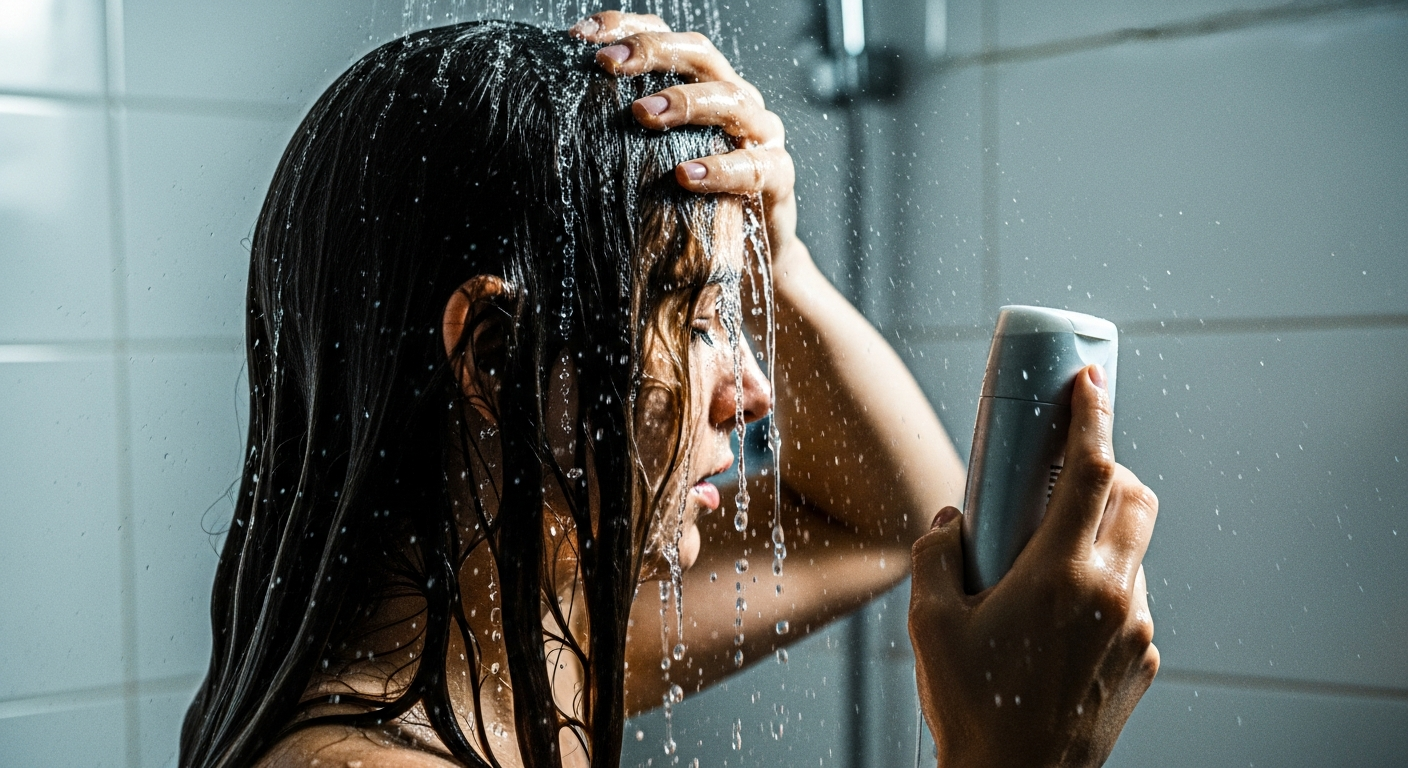
When Nicha turned 25, she began to notice something odd about her hair. Once naturally bouncy and glossy, it had become dull, heavy, and lifeless. Still clinging to the trusted shampoo she’d used since high school, she was hesitant to believe that her go-to product could be the root of the problem—until a stylist gently suggested it might be time for a change. What followed was an eye-opening journey into hair buildup, clarifying shampoos, and the surprising truth about the products we rely on daily.
Stories like Nicha’s are more common than you might think. Many people fall into the trap of using the same shampoo for years, believing it’s the key to consistency and healthy hair. But what if sticking to the same formula could actually be sabotaging your hair’s health? Experts now agree that rotating your hair care products—and incorporating clarifying treatments—may be the secret to vibrant, resilient strands.
The hair care world has evolved rapidly, and with it, new understandings of how products interact with our scalp and hair. Using only one shampoo constantly can lead to build-up of residues, oils, and even environmental pollutants that regular shampoo might not be able to fully remove. Here’s a deep-dive into how switching things up could reboot your hair and why a monthly clarifying wash is a game-changer for hair vitality.
What you need to know about long-term shampoo use and hair buildup
| Topic | Summary |
|---|---|
| Using same shampoo for years | Can cause buildup of product residues, sebum, and pollutants |
| Signs of buildup | Dullness, itchiness, dryness, lack of volume |
| Solution | Monthly use of clarifying shampoo to deeply cleanse scalp and strands |
| Benefits of clarifying | Improves scalp health, restores shine, enhances product effectiveness |
| Alternating shampoos | Helps maintain hair balance and avoid overexposure to any one formula |
Why using the same shampoo for years could be a mistake
Most people don’t even think twice before reaching for the same bottle every time they wash their hair. The feeling of familiarity and proven results are comforting. However, just like your skin can develop tolerance toward certain skincare ingredients, your hair and scalp can respond similarly with prolonged exposure to the same nutrients and chemicals.
Shampoos are formulated to target specific concerns—hydration, oil control, dandruff, volume. But these needs shift over time depending on changing weather, hormonal levels, diet, age, and even pollution exposure. Overusing a single shampoo can cause an imbalance in your hair’s natural oil production, leading to dryness or excessive oiliness, and in some cases, sensitivity or irritation.
“Repetition in hair product use without detoxing leads to product residue buildup and dullness.”
— Suphakan Karnchanajirachai, Trichologist
Recognizing the signs of hair buildup
Hair buildup isn’t always immediately obvious. It accumulates gradually and starts affecting texture, shine, and responsiveness to styling products. Here are some telltale signs your hair may be crying out for a detox:
- Limpness or hair falling flat despite styling efforts
- Persistent greasiness even right after washing
- Dry ends but oily roots
- No noticeable effect from using conditioners or hair masks
- An itchy or flaky scalp without dandruff
- Unusual hair odor
Product residues, silicones, hard water minerals, and pollutants all contribute to a clogged hair shaft and scalp. As this buildup intensifies, hair can become less responsive to treatments and more prone to damage.
How a clarifying shampoo can reset your hair health
This is where clarifying shampoos step in as a hair care hero. Unlike everyday shampoos, clarifying formulas are designed to perform a more intensive cleanse. They work by breaking down the accumulated gunk on your scalp and hair cuticles, effectively pressing the reset button on your hair routine.
Clarifying once a month is generally safe for most hair types. For those who use a lot of styling products, live in heavily polluted areas, or have oil-prone scalps, doing so twice a month may be beneficial. Overdoing it, however, can lead to unwanted dryness, especially in color-treated or curly hair, so moderation is key.
“A clarifying shampoo is like a detox tea for your hair—it clears the way for nutrients from masks and serums to work better.”
— Panida T., Haircare Product Developer (Placeholder)
When and how to use a clarifying shampoo correctly
Timing your clarifying treatment matters. Plan it before using deep conditioning or protein treatments to maximize their absorption. Here’s a step-by-step guide on how to use a clarifying shampoo effectively:
- Wet hair thoroughly with warm water to open the cuticles.
- Apply a clarifying shampoo and gently massage into the scalp and hair.
- Leave in for up to 2-3 minutes (check product label).
- Rinse thoroughly with cool water to seal the cuticle.
- Follow up with a moisturizing conditioner or hair mask for best results.
If you have fine or oily hair, you may benefit from more frequent clarifying; for thick or curly hair, once a month is typically enough. Always balance clarifying treatments with nourishing post-wash care to avoid dryness.
Why rotating shampoos leads to healthier hair
Just as a diverse diet supports bodily health, alternating shampoos can help balance your scalp’s ecosystem. Using a moisturizing shampoo on some days and a volumizing formula on others lets your hair receive varied nutrients. Rotating your shampoos every 3-4 weeks based on seasonal changes or hair needs helps keep your strands adaptable and resilient.
For instance, in humid months, anti-frizz or purifying shampoos may work best, while in dry winter months, opt for hydrating and protein-enriched options. Listening to your hair’s behavior and adapting accordingly is the secret to long-term hair resilience and luster.
Products to look for in your monthly clarifying routine
| Category | Winner | Loser |
|---|---|---|
| Effectiveness | Clarifying shampoos with tea tree, apple cider vinegar, or salicylic acid | Shampoos with heavy silicones or parabens |
| Frequency | Monthly clarifying with weekly moisture care | Daily use of harsh cleansing formulas |
| Adaptability | Hair routines that include product rotation | Using the same product every day for years |
Long-term benefits of detoxing your scalp regularly
With consistent clarification and product rotation, many notice significant positive changes to their hair. The scalp becomes less oily, hair holds styles better, and serums and conditioners start to yield visible results again. In the long run, such small shifts in your grooming habits can prevent issues like thinning, premature graying, or scalp dermatitis.
Healthier hair begins at the root. Refreshing your scalp and hair shaft through monthly resets ensures uninterrupted growth cycles, stronger strands, and better responsiveness to your styling products. Don’t wait for your favorite shampoo to stop working—be proactive and stay ahead of buildup.
Frequently Asked Questions
How often should I use a clarifying shampoo?
Most hair types benefit from a once-a-month clarifying shampoo. If you use a lot of styling products or have oily hair, you may clarify bi-weekly. Avoid overuse to prevent stripping natural oils.
Can clarifying shampoos damage my hair?
When used correctly and in moderation, they don’t damage hair. Always follow with a moisturizing conditioner or mask to restore hydration.
Is it bad to use the same shampoo every day?
While not harmful immediately, over time it can cause buildup and reduced effectiveness. Rotating products helps maintain scalp and hair health.
How do I know if I have product buildup?
Signs include dullness, greasy roots, flaky scalp without dandruff, odor, and lackluster styling results. This usually indicates a need for detox.
Can I make a DIY clarifying rinse?
Yes, rinses like diluted apple cider vinegar or baking soda can help, but they should be used sparingly and not replace formulated clarifying products.
Will clarifying shampoos strip hair dye?
Yes, they can cause color fading, especially with frequent use. Choose color-safe formulas or limit use to pre-color treatments.
What ingredients should I look for in a clarifying shampoo?
Look for salicylic acid, apple cider vinegar, charcoal, tea tree oil, or citrus extracts. Avoid heavy silicones and sulfates if you have sensitive hair.
Does my hair type affect how I clarify?
Yes—fine and oily hair may need more frequent clarifying, while curly, dry, or color-treated hair should do so less frequently and with gentler products.