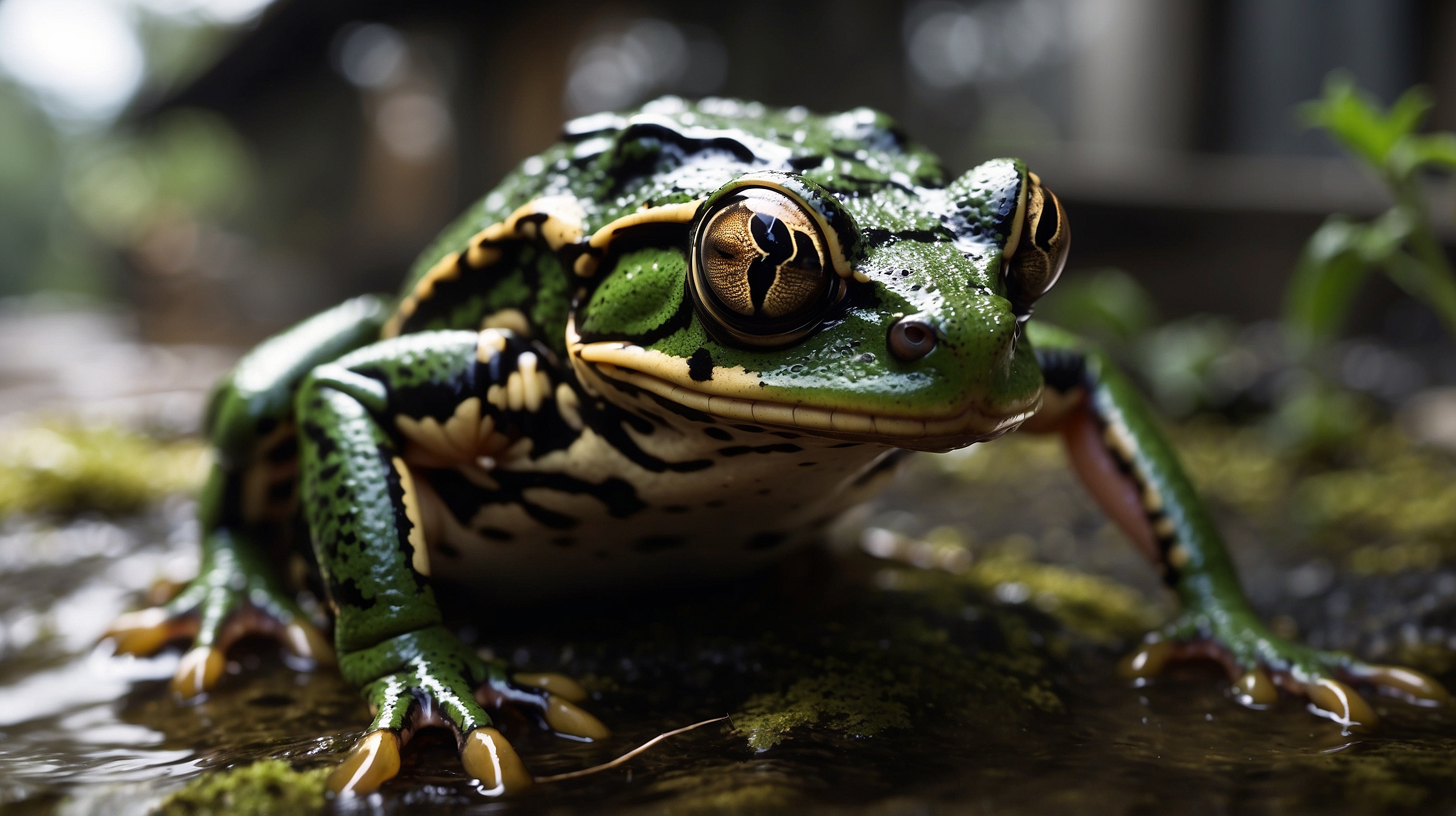
In the humid wetlands of Japan, a startling predator-prey relationship is unfolding—one that has scientists fascinated and nature lovers intrigued. At the center of this survival drama is a native frog species with an astounding superpower: immunity to venom from one of the world’s most feared insects, the **Asian giant hornet**. These frogs are doing what few other creatures would dare—they’re snatching, swallowing, and surviving encounters with these venomous wasps, and doing so with incredible efficiency.
The frog, known in scientific circles as *Pelophylax porosus porosus*, has become an unlikely but fascinating animal in the ecologies where these hornets roam. Unlike birds that skirt cautiously around these aggressive hornets or insects that are paralyzed by their sting, these frogs appear unfazed. In fact, they’re thriving. Dubbed as “venom-proof,” they might hold clues not just to the intricacies of predator-prey evolution but also to novel medical breakthroughs in understanding venom resistance.
What makes this frog unique is more than just its dietary boldness. It poses implications for the pest control ecosystem dynamics and even the ongoing battle against the invasive spread of murder hornets in regions outside of Asia. As scientists dig deeper into how and why these frogs are immune, the world is watching with interest.
Frog vs. Hornet: A quick overview
| Species in Focus | Pelophylax porosus porosus (Japanese pond frog) |
|---|---|
| Prey Target | Asian Giant Hornet (*Vespa mandarinia*) |
| Location | Japan (wetlands, rice paddies) |
| Superpower | Venom immunity, rapid reflexes |
| Scientific Significance | Potential evolutionary adaptation and model for venom resistance studies |
The rise of a venom-resistant predator
The Japanese pond frog may appear small and unassuming, but its survival strategy is remarkable. Researchers studying amphibian diets observed that unlike other predators in the ecosystem, these frogs do not shy away from attacking hornets. Their preference toward consuming live wasps has been documented not just as opportunistic, but as a patterned feeding behavior.
The secret lies in a physiological trait that appears to grant these frogs **immunity to hornet venom**, which can be potent enough to kill small mammals. Scientists believe this adaptation may have evolved over generations of cohabitation with the hornets, especially in ecological zones where the hornets are prevalent and aggressive competition for food exists.
“It’s incredibly rare to find natural venom resistance in amphibians, especially against hornet stings which can be fatal…”
— Dr. Hiroshi Tanaka, Ecotoxicologist, Kyoto Institute
Inside the frog’s venom-proof biology
The frogs’ resistance to venom begins at a molecular level. Research teams hypothesize that specialized proteins in the frog’s blood may **neutralize the toxins** present in the hornet’s sting. Blood serum samples taken during lab tests showed resistance to the neurotoxic and cytotoxic components of the hornet’s venom—an extraordinary find in the world of chemical ecology.
This biological quirk doesn’t just offer insights into natural immunity but might help pave the way for synthetic anti-venom drugs. If scientists can isolate the precise mechanism of resistance, it could lead to improved treatments for people stung by hornets and even open new doors in microbiology and pharmacology.
The behavioral advantage
Behaviorally, these frogs are nimble, opportunistic hunters. Their lightning-fast tongue reflex and quick head jerks allow them to ambush hornets—often catching them mid-flight. It’s a David vs. Goliath scenario regularly re-enacted in Japanese wetlands.
What’s even more compelling is the frog’s **apparent immunity to retaliation**. While many creatures avoid hornets due to the risk of being stung and immobilized, these frogs show no adverse physiological or behavioral response when stung, reinforcing the biological evidence of venom resistance.
Potential impact on pest control and agriculture
This predator behavior could provide an organic form of pest control, particularly in agricultural zones where **murder hornets** pose a threat to honeybees and crops. With the hornets known to decimate bee populations, their unchecked spread has raised concerns across the globe. But these frogs may offer a natural buffer—reducing hornet numbers without chemical intervention.
“By simply being part of the food chain, the frog provides a line of defense that farmers haven’t even noticed yet.”
— Natsuki Arai, Agricultural Ecologist
Hornets fighting back? Unlikely
Though formidable predators, the Asian Giant Hornets have few adaptations for dealing with amphibians. Their defensive mechanics are largely suited for avian or insect threats. Against the swift surprise tactics of the frog, they’re often caught off guard. Despite their sting’s lethality against many species, it’s evidently ineffective against this particular frog.
Therefore, the frogs’ feeding habits are unlikely to spur any rapid evolutionary retaliation from the hornets—especially given their shorter lifespans and longer reproductive cycles.
Winners and losers in this surprising food chain
| Winners | Losers |
|---|---|
| Japanese pond frogs (increased food access, ecological spotlight) | Asian Giant Hornets (new predator threat) |
| Farmers and beekeepers (natural pest control ally) | Predators reliant on hornet scarcity as defense |
| Ecologists and venom researchers | None identified so far to be directly harmed by dynamic |
Why this discovery matters globally
With increasing global concern over **invasive species** and agro-ecological balance, the discovery of a natural predator for Asian Giant Hornets is not just biologically fascinating—it’s geo-politically and economically significant. If similar venom resistance exists in related amphibians outside Japan, there might be a scalable biological control model against invasive hornet populations now spreading in parts of Europe and North America.
The road ahead for frog research
Biologists and toxinologists are urging extended research into multiple frog populations across Asia to determine the scope of this ability. Are these frogs unique, or is venom resistance more widespread than currently known? Either outcome would revolutionize our understanding of amphibian resilience and predator-prey dynamics in high-stress environments.
“These tiny biological marvels may one day help us neutralize toxins—both in nature and in medicine.”
— Dr. Lena Rothschild, Biochemical Researcher
FAQs about venom-proof frogs and murder hornets
What is the Japanese pond frog?
The Japanese pond frog (*Pelophylax porosus porosus*) is a common amphibian native to Japan, known for its adaptability, robust population, and unique biological traits—including possible venom immunity.
What makes murder hornets so dangerous?
Asian Giant Hornets carry potent venom that can kill insects and small animals. Their group attacks are particularly devastating to entire honeybee colonies.
How do frogs catch these hornets?
Using rapid reflexes and powerful tongues, frogs ambush hornets by surprise—often swallowing them whole before they can mount a defense.
Can humans benefit from this discovery?
Yes. Studying the frog’s immunity could lead to anti-venom treatments and help manage invasive hornet species in a natural manner.
Are there similar frogs in other countries?
Researchers are currently investigating if related species across East Asia and Southeast Asia share similar resistances.
Do hornets ever eat frogs?
In very rare cases, hornets may attack juvenile or injured frogs, but in general, the predator-prey dynamic leans strongly in the frog’s favor.
Is this behavior new or newly discovered?
While known anecdotally among local populations, scientific validation and focused study on the phenomenon is relatively recent.
What are the conservation implications?
Highlighting the ecological role of frogs can support broader amphibian conservation efforts, especially in areas affected by climate change and habitat loss.