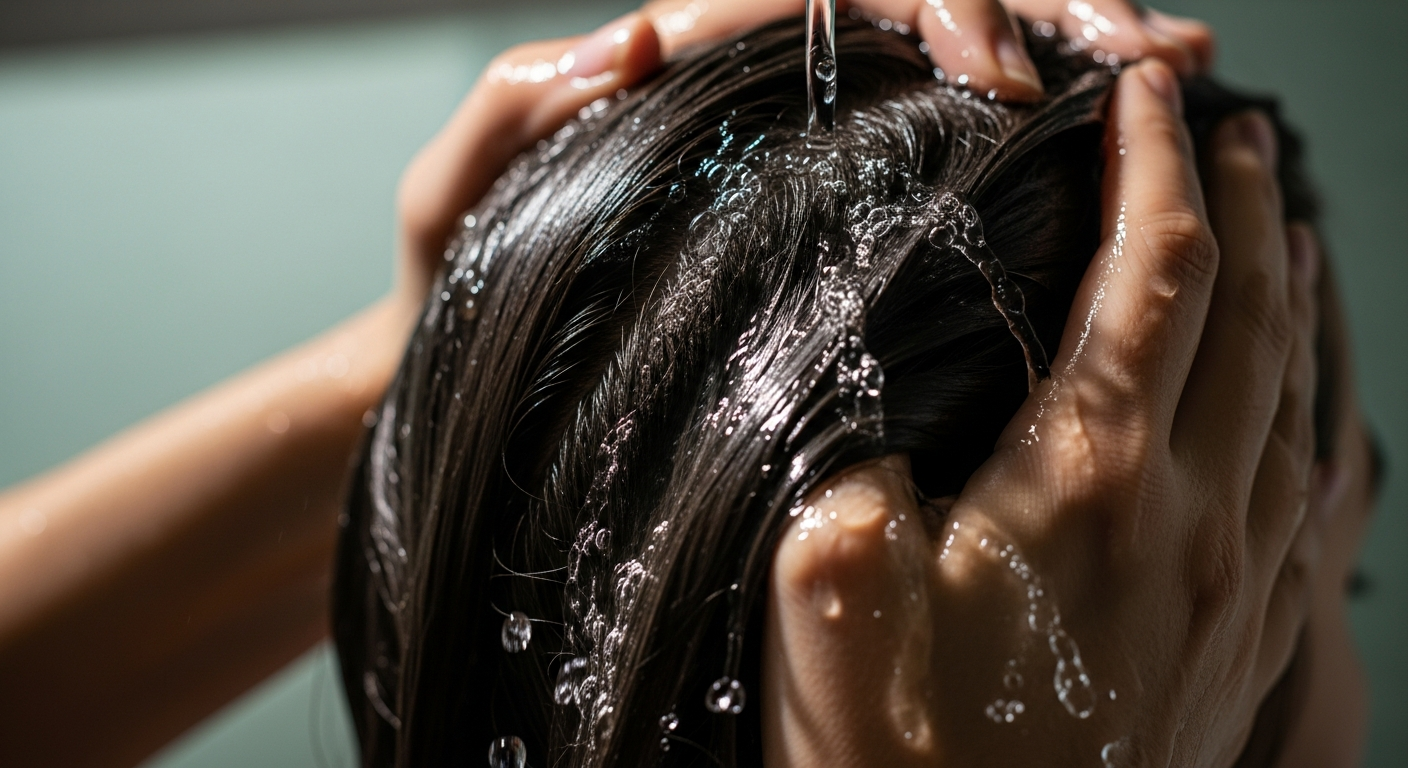
Emma had always been proud of her thick, glossy hair. But after years of religiously washing it every single day, something began to change. Her scalp became oilier, forcing her into an exhausting cycle—wash, dry, repeat—fueled by the desperate belief that clean meant healthy. But over time, she noticed her hair looking lifeless and more prone to breakage. What was going wrong?
She’s not alone. In our image-driven world amplified by social media, the pressure to maintain squeaky-clean hair has never been greater. Marketing campaigns for shampoos tout daily washing as a cornerstone of good hygiene. But the science—and the scalp—tell a different story. Washing your hair every day might feel fresh, but it could be the very reason your strands are dull, greasy, and struggling.
This article dives deep into the missteps of overwashing, the vicious oil-production cycle it creates, and actionable solutions to break free. Here’s what you need to know before your next shower could do your roots more harm than good.
Quick overview of the daily hair washing dilemma
| Issue | Overwashing hair daily with shampoo |
| Impact | Increased oil production, imbalance of scalp microbiome, hair damage |
| Why it happens | Stripping natural oils leads the scalp to overcompensate |
| Best practices | Washing 2–3 times a week, incorporating scalp-friendly products |
| Goal | Restore oil balance and improve hair health |
Why washing your hair every day actually backfires
It seems counterintuitive: the more you wash, the cleaner your hair should be, right? Unfortunately, it’s not that simple. Your scalp produces sebum—a natural oil that nourishes both hair and skin. When you wash your hair every day with shampoo, especially those containing sulfates, you strip the scalp of this protective layer.
In response, the sebaceous glands go into overdrive, producing even more oil to compensate. That leaves you with hair that looks greasy faster than before, pushing you to wash yet again. It’s a loop that wears down your scalp’s natural defenses and ends in irritated skin and increasingly oily strands.
“Overwashing sends the scalp a false signal that oils are missing, so it reacts by producing more sebum.”
— Dr. Anika Suresh, Dermatologist & Scalp Health Specialist
Signs you’re overwashing your hair
If you’re stuck in the cycle, chances are your scalp and hair are already giving you clues. Signs of overwashing include:
- An oily scalp within 24 hours of washing
- Dry, brittle, or frizzy hair strands
- Flakiness or itchy scalp
- Hair falls flat and lacks volume quickly
- You need to frequently re-style or apply dry shampoo
It’s not just about grease. Over time, you can also experience breakage, longer drying times, and even slower hair growth due to an unhealthy scalp environment.
How to gradually reduce shampoo frequency
If the thought of skipping a daily wash leaves you panicked, the solution is not to quit cold turkey—but to taper thoughtfully. Transitioning your scalp to a balanced oil cycle takes time and patience, but it pays off.
1. Start with every other day
Begin by washing hair every other day, using water and a scalp brush to distribute oils on no-wash days. Eventually aim for 2–3 washes per week.
2. Use dry shampoo strategically
Apply dry shampoo before bed instead of in the morning. This allows oil to be absorbed proactively as it forms overnight, keeping your roots fresher for longer.
3. Opt for sulfate-free, moisturizing shampoos
Switch to gentle formulas that clean without stripping. Look for ingredients like aloe vera, glycerin, and oat extract.
4. Invest in a scalp massager
These promote circulation, break up oil clumps, and can be used with or without shampoo to cleanse the scalp naturally on off-days.
What happens when you break the cycle
Though the initial weeks of less frequent washing may feel awkward—expect some excess oil and possibly flakiness—it’s temporary. Within four to six weeks, your scalp will recalibrate, and oil production will normalize.
“The scalp has a self-regulating system, but it needs time to recover its balance. Don’t be afraid of a little grease during the transition.”
— Stella Nguyen, Trichologist
Most people notice significant improvements: cleaner hair for longer, enhanced volume, less product buildup, and a reduction in skin issues like dandruff or inflammation.
The importance of natural oil in scalp health
Your scalp is living skin. Just as you wouldn’t exfoliate your facial skin daily with strong chemicals, washing hair too often causes similar trauma. Sebum is not your enemy—it’s your body’s way of moisturizing your hair and maintaining the integrity of your scalp’s microbiome.
Frequent stripping of these oils can disrupt the scalp’s natural pH, weaken follicles, and even contribute to sensitivity and redness. Instead of battling oil, it’s better to work with it.
How different hair types respond to less frequent washing
Not every scalp reacts the same way. Your hair texture, porosity, and curl pattern all influence how often you should really be washing.
- Fine or straight hair: This type tends to get oily faster. A wash routine every other day may be optimal at first, moving to every 3 days over time.
- Wavy or thick hair: These types hide oil better and can often go 3–4 days between washes comfortably.
- Curly or coily hair: These benefit most from infrequent washes. Once a week or even biweekly can be ideal to preserve hydration and avoid breakage.
Who benefits and who might struggle with the change
| Winners | Losers |
|---|---|
| People with dry, curly, or color-treated hair | Those with oily scalps unready for the transition |
| Consumers seeking low-maintenance routines | Individuals in humid climates needing frequent refresh |
| Eco-conscious users wanting to reduce water/product use | Users with scalp conditions requiring medicated washes |
How long it takes to see improvement
Transitioning to a new washing schedule doesn’t yield overnight results. Most people notice increased oiliness in the first week, followed by gradual improvement by the third to fourth week.
It’s recommended to give the new routine at least a 30-day trial before evaluating results. To manage during the in-between days, styles like braids, buns, and textured waves help disguise oil distribution.
Complementary habits for a healthy scalp
- Rinse with cool water to seal follicles after washes
- Massage the scalp daily to stimulate circulation
- Sleep on silk pillowcases to reduce friction and oil spread
- Rotate pillows and clean sleep accessories weekly
- Stay hydrated and maintain a diet rich in Omega-3 & Biotin
Frequently asked questions about daily hair washing
Is washing my hair every day really that bad?
If you’re using harsh shampoos daily, it’s likely disrupting your scalp’s natural oil production. While occasional daily washing is fine, habitual overwashing is problematic.
How do I know if my shampoo is too harsh?
If your hair feels dry, your scalp itches, or it gets greasy faster than 24 hours, your product might be too stripping. Look for sulfate-free formulas with moisturizing properties.
Can I still shower every day?
Absolutely. You can rinse your hair with water or use a scalp brush without applying shampoo. It keeps things fresh without affecting insurance layers of oil.
What’s a normal amount of oil on my scalp?
Everyone produces different levels of sebum. A bit of oiliness by the second or third day post-wash is entirely normal and healthy.
Should I use conditioner on off-days?
If you’re skipping shampoo, stick to leave-in conditioners or hydrating sprays. Rinsing with plain water can also help keep scalp debris at bay between washes.
How long until my scalp adjusts to less frequent washing?
Most people experience visible improvement within 3–4 weeks. Be patient and consistent for long-term benefits.
Can I detox my scalp?
Yes. Clay masks, apple cider vinegar rinses, and charcoal-based scalp scrubs can help reset the oil balance naturally, but use them sparingly—once every two weeks at most.
Will reducing washing reduce hair loss?
In many cases, yes. Overwashing weakens roots and causes breakage. A healthier scalp environment supports stronger, longer-lasting growth.