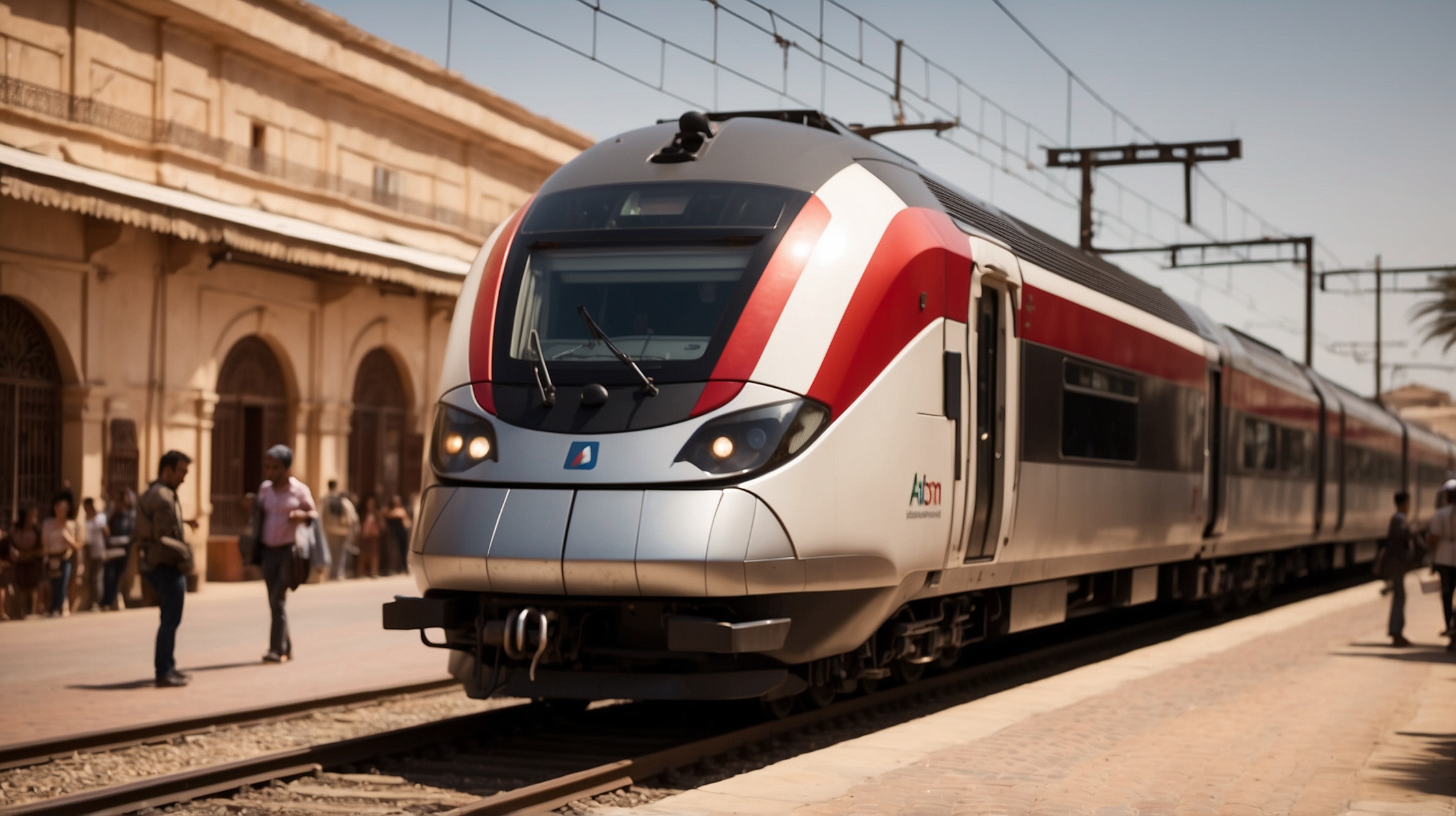
As a cool spring breeze weaves through the vibrant medina of Fez, Morocco, there’s a new rhythm to the hum of the city—one not born of ancient crafts or centuries-old street markets, but of high-speed innovation and global strategy. The rhythm comes from the clang and hiss of modern machinery as French transportation powerhouse **Alstom** lays the foundation for a major turning point in its international operations. In the heart of Fez, a city steeped in over a millennium of culture, Alstom’s latest move signals more than just another infrastructure investment—it marks Morocco’s growing stature on the global industrial stage.
The decision to expand Alstom’s manufacturing footprint with a second plant in Morocco speaks volumes. While the country has long served as a reliable bridge between Europe and Africa, the company’s latest development strategy suggests a deeper trust in Moroccan capability, labor, and logistics. This highly calculated move is poised to redefine how global supply chains are orchestrated and affirms Morocco’s pivotal role in the future of rail transport innovation.
Key highlights of Alstom’s expansion into Fez
| Company | Alstom |
| Project | Second manufacturing plant in Morocco |
| Location | Fez, Morocco |
| Investment Size | $10.7 million (approx. 10 million euros) |
| Purpose | Production of onboard transformers and electrical components |
| Square Meters | ~3,000 |
| Jobs Created | Over 200 direct jobs |
| Timeline | Operational by early 2025 |
Why Alstom chose Fez for its next big strategic step
At first glance, **Fez**—a city more often associated with heritage than high-speed innovation—might seem like a surprising choice. But Alstom’s selection is anything but accidental. The region offers a compelling mix of **economic incentives**, strategic proximity to European markets, and a growing ecosystem of skilled labor fostered by Morocco’s aggressive industrial development policies.
Morocco’s government has long been nurturing a competitive industrial sector through initiatives such as the 2014-2020 Industrial Acceleration Plan, which actively courted foreign direct investment (FDI). As labor costs rise in Eastern Europe and Asia, Morocco presents an economically efficient option with the added benefits of geographical closeness to Europe and long-standing trade ties.
Additionally, **Fez boasts several engineering universities and vocational training centers**, ensuring a pipeline of skilled workers to support Alstom’s complex manufacturing needs. The plant is expected to focus specifically on **onboard transformers**, a critical component in train systems, highlighting the trust placed in local expertise.
“Fez’s location and talent pool were perfectly aligned with our ambition to decentralize production while maintaining European-level quality.”
— Placeholder, Alstom Executive
The significance of Morocco in Alstom’s broader strategy
This new plant isn’t just another facility—it’s a linchpin in Alstom’s evolving **global logistics and production architecture**. With over 150 years of experience, Alstom has mastered the art of strategic positioning. Morocco is already home to **Alstom’s existing site in Casablanca**, where trains and trams are manufactured. The new unit in Fez goes beyond assembly—it aims to **enhance vertical integration** by producing key electrical components in-house.
This allows Alstom to bypass logistical bottlenecks and ensure more agile deliveries to Europe and Africa. Fez will serve as both a production and an export hub, simultaneously boosting Moroccan industrial exports and strengthening Alstom’s competitive edge in an increasingly green and electrified rail industry.
Benefits for Morocco and local economy
For Morocco, the expansion is a triumph on multiple fronts. With over **200 direct jobs** forecast and several hundred more indirect roles in logistics, maintenance, and services, the Fez plant is an economic stimulant. Furthermore, increasing foreign investment helps reinforce Morocco’s image as a **reliable industrial partner** for European companies moving toward sustainable solutions.
“This project aligns with our industrial policy, providing not only jobs but long-term industrial know-how for our workforce.”
— Placeholder, Moroccan Minister of Industry
Local suppliers and SMEs (small and medium enterprises) are also likely to benefit, particularly if Alstom implements **local content requirements**. This could lead to a **snowball effect**, elevating quality standards across other industries such as automotive and aerospace, where Morocco already enjoys a competitive position.
Morocco’s rise as a manufacturing and green energy hub
Part of the rationale behind Alstom’s expansion also lies in Morocco’s commitment to **sustainable manufacturing and clean energy**. The country has become a poster child for renewable energy in Africa, with wind, solar, and hydropower making up a substantial portion of its national energy mix. Alstom, known for its electric trains and green technologies, gains a climate-aligned partner in Morocco—one that reduces its operational carbon footprint in meaningful ways.
This alignment makes it easier for Alstom to meet **Environmental, Social, and Governance (ESG) criteria** set by clients and regulatory agencies. In particular, European environmental regulations incentivize companies to base production in countries that adhere to cleaner practices. Morocco checks all the boxes.
Who gains and who misses out in the latest chapter
| Winners | Losers |
|---|---|
| Moroccan industrial sector | High-cost manufacturing regions in Eastern Europe |
| Engineering graduates and job-seekers in Fez | Countries lacking green infrastructure incentives |
| Alstom’s global supply chain efficiency | Non-integrated suppliers losing contracts to cheaper Moroccan options |
Looking ahead to 2025 and beyond
Alstom’s Fez facility is scheduled to begin operations in early **2025**. While the startup phase will involve fine-tuning processes, sourcing locally, and training new talent, the company has clarified that this is just the **first phase in a broader development plan**. If the Fez plant succeeds, additional units or expansions could follow, possibly transforming Fez into a central node in Alstom’s global network.
This move stands as a blueprint for other international firms considering **outsourced competence combined with technical excellence**. Fez, and Morocco more broadly, will likely draw a growing list of companies eager for both economic value and environmental credibility.
Frequently Asked Questions about Alstom’s Fez Plant
Why did Alstom select Morocco for this new plant?
Morocco offers cost-effective labor, skilled technical personnel, and close proximity to Europe, making it a strategic hub for global logistics and sustainable production.
What components will the new Fez factory produce?
The focus will be on manufacturing **onboard transformers and other electrical parts** used in Alstom’s trains and mobility solutions.
How many jobs will be created?
Over 200 **direct jobs** will be created initially, with many indirect roles likely to follow in logistics and services.
When will the Fez plant become operational?
The facility is expected to start operations in **early 2025**, after construction and training phases are completed.
Is this part of a larger expansion by Alstom?
Yes, Alstom views this as a long-term investment and part of a broader strategy to decentralize manufacturing while maintaining quality control.
What impact will this have on Morocco’s economy?
It boosts local employment, increases foreign direct investment, and strengthens Morocco’s reputation as a reliable industrial and green tech partner.
Does this align with environmental goals?
Absolutely. Morocco’s use of renewable energy supports Alstom’s environmental commitments and helps reduce emissions across the supply chain.
Could this lead to more foreign investments in Fez?
Very likely. Success in this project will signal to other global tech firms that Fez is a viable manufacturing and logistics base.