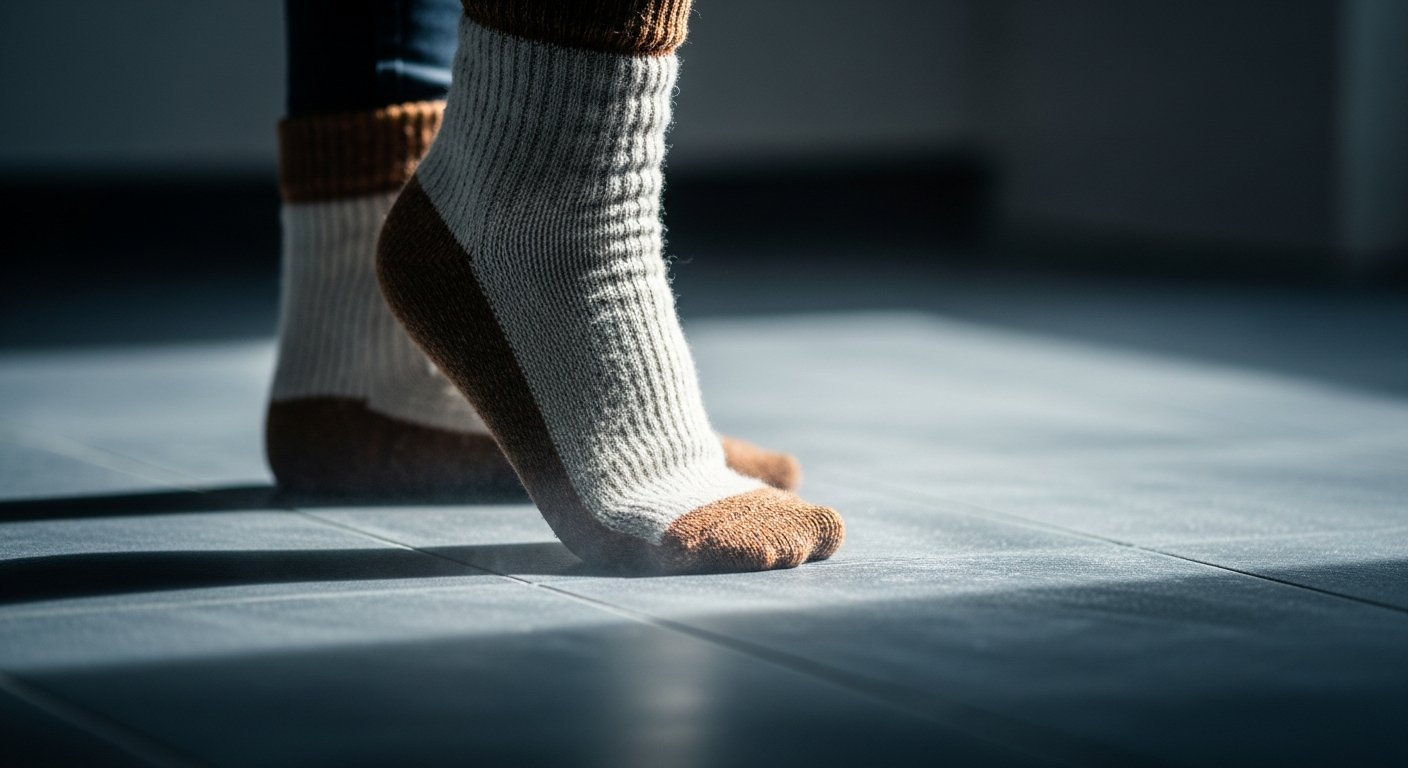
Cold floors are more than just a discomfort—they can impact how warm or cold your entire body feels, even in an otherwise well-heated room. If you’ve ever walked barefoot across a tile or hardwood floor during winter and instantly felt a chill radiate up your spine, you’re not imagining things. The science behind how we perceive temperature and how various parts of our body respond to it explains this reaction in detail. Our bodies are finely tuned mechanisms, and the sensations from our feet can have a surprisingly powerful influence on our overall thermal comfort.
Even when the air around us is warm, exposure to a cold surface like a floor can lead to a full-body cooling effect. This is not merely a psychological phenomenon, but one grounded in human physiology. Because the soles of our feet are highly sensitive and contain a dense network of blood vessels and nerve endings, they serve as key temperature detectors. Cold floors signal to your brain that the body is in a cooler environment, prompting it to initiate protective physiological responses that may lower your entire body’s perceived temperature.
Quick overview: Why cold floors affect whole-body warmth
| Factor | Explanation |
|---|---|
| Thermal receptors in the feet | Feet have a high concentration of nerve endings that detect temperature changes rapidly |
| Conduction of heat | Feet lose heat quickly when in contact with cold surfaces due to thermal conduction |
| Body’s response | Cold feet signal the brain to conserve heat, triggering a sense of discomfort |
| Circulatory adjustments | Vasoconstriction reduces blood flow to extremities, further cooling the body |
| Impact on comfort | Even warm air temperatures can feel chilly if floors are cold |
The science behind cold feet and full-body chill
The connection between exposed feet and whole-body warmth lies primarily in the function of thermoreceptors. These receptors are specialized nerve cells located in your skin that are sensitive to temperature changes. The feet, often overlooked in discussions of thermal comfort, have a particularly high number of these receptors. When your bare feet touch a cold surface, an immediate signal is sent to the hypothalamus, the brain’s thermostat. This can initiate a cascade of physiological effects designed to conserve internal heat, such as shivering or reduced blood flow to extremities, making the entire body feel colder.
Additionally, the mechanism of heat transfer known as *thermal conduction* plays a role. Your feet, which are often at rest on flooring, act as a direct conduit for heat loss. Unlike air—which is a poor conductor—solid flooring such as tile or concrete pulls heat from your skin much more rapidly. The result is a sharp drop in the temperature around your feet and ankles which influences your core body comfort.
Why your brain is more influenced by your feet than you think
Most of us think of our hands, faces, and chest as key temperature sensors. However, the bottom of your feet plays a pivotal role in interpreting your thermal environment. This is because the feet have both sensory and autonomic nerve fibers, providing feedback not just on touch and pressure but temperature. The data from these nerves influence your body’s overall sense of warmth or cold by adjusting internal processes such as heart rate, sweat output, and muscle contractions (like shivering).
“People often underestimate the role of peripheral exposure in overall temperature regulation. The soles of the feet can be a ‘thermostat switch’ that triggers systemic responses even in a heated room.”
— Dr. Lena Hartfield, Thermal Physiology Expert
In other words, cold floors can activate body-wide reactions. Even when the ambient air temperature remains stable, your subjective experience of warmth deviates sharply because your nervous system prioritizes signals from exposed extremities. These signals then cue your brain to react as if the entire body were cooling down.
Vasoconstriction and systemic shivers: your body’s defense mechanisms
One of the immediate reactions to cold foot exposure is vasoconstriction—the narrowing of blood vessels—to prevent heat loss in the extremities. While this is meant as a protective reaction, it also results in cold sensations traveling upward, impacting your legs, torso and arms. This hormonal and circulatory response often leads to shivering or a drop in perceived comfort throughout the body.
These responses also engage your sympathetic nervous system. In response to cold stimuli from the feet, the central nervous system may initiate full-body thermogenic responses. Blood is shunted away from limbs to keep the core organs warm, but that also means your skin—and how warm you feel in general—gets cooler in temperature.
Material matters: which flooring types worsen or mitigate the chill
Different flooring materials can have a dramatic impact on how likely you are to experience the cold-foot effect. Hard surfaces—like tile, stone, and uncarpeted concrete—tend to conduct heat away from your skin very efficiently, making you lose warmth faster. By contrast, vinyl, wood laminate, and especially carpet help retain more heat at the contact surface, reducing the harshness of temperature contrast.
If your home or office features predominantly hard flooring, investing in area rugs or thermal-insulating mats can help mitigate the discomfort significantly. Additionally, radiant in-floor heating systems are growing in popularity for homes in colder climates, providing warmth from the bottom up.
“Hard surface floors not only conduct heat more efficiently, but psychologically signal ‘cold’ to the brain. Textured or softer materials soften both physical and mental perception of cold.”
— Jason Wilkins, Environmental Psychologist
When extra warmth matters most
Certain populations are more vulnerable to the effects of cold flooring. The elderly, infants, and those with circulatory or neurological conditions can be more susceptible to heat loss through the feet. In medical terms, poor thermoregulation due to age or illness might make a seemingly small thing like walking on cold floors a serious discomfort or even a health hazard.
That’s why it’s crucial to adjust your living space accordingly. Durable slippers, socks with thermal linings, and targeted floor insulation can all contribute to a more thermally neutral environment. In colder months, these interventions aren’t just about comfort—they can also aid in preventing colds, muscle stiffness, and even hypothermia in extreme cases.
Everyday solutions to reduce thermal discomfort from the floors
Whether it’s a tiled bathroom, laundry area, kitchen or basement, dealing with cold floors can be as simple as implementing layered strategies:
- Use area rugs in high-contact regions (sink, bed, desk)
- Install soft flooring alternatives in new constructions or remodels
- Wear memory-foam or thermal-insulated slippers regularly
- Consider radiant heated flooring options
- Use portable room heaters aimed at floor level
- Close drafts and seal baseboards where cold air permeates
“The floor is often the coldest part of a room because warm air rises. Addressing it can significantly reduce heating bills and increase comfort.”
— Cheryl Kim, Home Sustainability Consultant
Frequently asked questions about cold floors and body temperature
Why do I feel cold even if the room temperature is comfortable?
Cold floors can pull heat from your body through your feet, triggering a physiological response that makes your whole body feel colder—even if the air temperature seems adequate.
Does the type of flooring really make a difference in warmth?
Yes. Hard flooring materials like tile or stone conduct heat away from the feet, while carpet and vinyl help retain warmth and keep surfaces warmer to the touch.
Can heated floors help eliminate this problem?
Radiant floor heating is an effective solution, as it provides warmth directly to your feet and can make the whole room feel warmer at lower thermostat settings.
Why are my feet more sensitive to cold than other parts of my body?
Feet have a high concentration of thermoreceptors and blood vessels, making them highly receptive to cold stimuli and crucial in regulating body heat.
Is it unhealthy to walk barefoot on cold floors regularly?
For some individuals—particularly older adults or people with health issues—it can cause stress on the circulatory system or lead to cold-related discomforts.
What’s a quick fix for cold floors without remodeling?
Add thick area rugs, wear insulated socks, and use space heaters directed at floor level to provide effective warmth without major renovations.