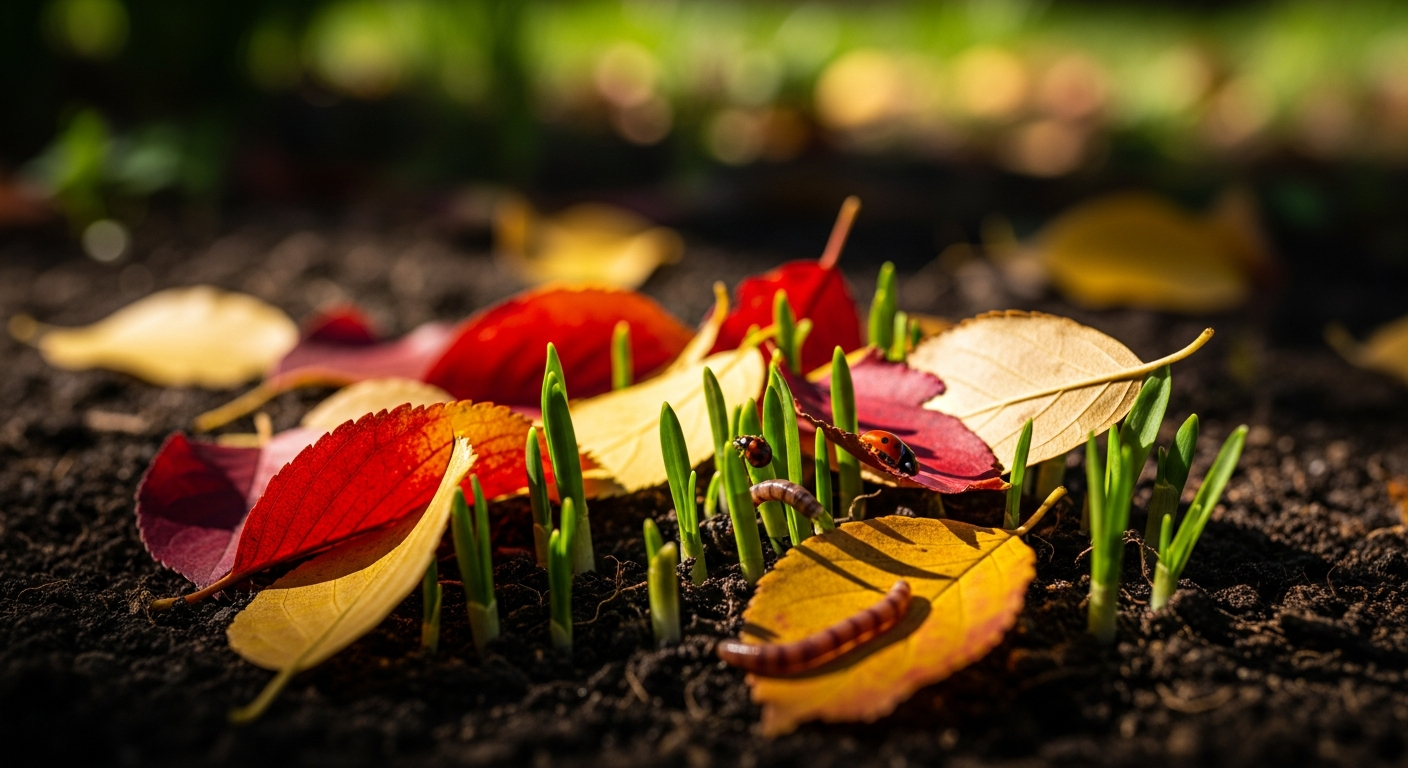
In gardens across the country, a quiet revolution is taking place—not in what’s being planted, but in what’s being left behind. As spring peeks around the corner, many environmentally aware gardeners are ditching traditional cleanup routines in favor of a more nature-friendly approach: letting leaves stay on the ground. While this might sound counterintuitive to longtime horticulturists used to pristine, raked beds, leaving a layer of fallen leaves over the soil may be one of the most beneficial—and simple—things you can do for your garden’s health.
Gardeners and ecologists alike are now recognizing that what was once considered garden waste is actually a treasure trove of nutrients and habitat. These leaves provide insulation for plant roots, shelter for beneficial insects, and over time, break down into rich organic matter that improves soil structure. As climate patterns shift and biodiversity becomes increasingly important, this natural method of mulching stands out as both sustainable and effective.
Why leaving leaves in your garden is gaining popularity
| Benefit | Description |
|---|---|
| Soil Fertility | Decomposed leaves enrich soil with vital nutrients |
| Improved Moisture Retention | Leaf cover reduces water evaporation and helps conserve moisture |
| Insect Habitat | Provides shelter for pollinators and pest-controlling insects |
| Weed Suppression | Acts as a natural mulch to inhibit unwanted weed growth |
| Climate Resilience | Guards against temperature shifts and erosion |
Nature’s mulch: how decomposing leaves nourish the soil
As leaves break down during the late fall and winter months, they undergo a natural composting process rich in biological interaction. Microorganisms, fungi, and earthworms break down the leaf matter, converting it into humus—a nutrient-dense organic soil component. This humus not only nourishes the plants above, but also fosters a thriving underground ecosystem. The result? Healthier plants with improved access to natural nutrients, less reliance on chemical fertilizers, and soil that retains water more efficiently.
Leaving leaves on your flower beds also promotes a slow-release feeding method. Instead of dumping a load of synthetic fertilizer in the spring, the decaying leaves release nutrients gradually over time. This supports consistent growth cycles for perennials, woody shrubs, and emerging spring bulbs.
“Think of decaying leaves as a biological slow-cooker for your soil—rich in flavor and deeply satisfying for plant roots.”
— Dr. Elaine Myles, Soil Biologist
Encouraging pollinators and protecting biodiversity
A host of beneficial insects—including bees, butterflies, moths, and beetles—use leaf piles as winter shelter. These species often nest or overwinter in the protective insulation that a leaf layer provides. By removing leaves too early, gardeners may unintentionally destroy critical habitats before the insects have completed their life cycles.
This natural layer supports biodiversity by providing safe zones for fireflies, larvae, and other soil-based critters essential for garden health and pest control. Insect-eating birds also benefit from the added food supply that thrives within leaf layers, creating a miniature ecosystem right in your backyard.
Common concerns about leaf litter—debunked
Concerns about pests, mold, or messy appearance often deter people from trying this eco-friendly practice. However, when managed properly, leaf cover is not only safe but actually beneficial on many fronts.
- Pest attraction: Well-spread and moderate layers are unlikely to harbor problem pests, and beneficial insects often outcompete them.
- Mold or mildew: Leaves that are too wet and compacted can be lightly fluffed. Adding dry or shredded leaves can help aerate the pile.
- Aesthetics: Natural gardens with tidy layers of leaf mulch can be visually pleasing and inviting to wildlife.
The key lies in moderation—avoid thick piles and instead aim for a 2–3 inch layer. You can also shred the leaves for quicker decomposition or leave more densely packed leaves under trees and unused corners of your garden beds.
Tips for managing leaf litter the smart way
For gardeners interested in reaping the rewards of this technique, practical steps can make the transition easy and effective:
- Shred leaves before application using a lawn mower or leaf shredder to accelerate decomposition and minimize mattings.
- Leave leaves in place in garden beds, under shrubs, and around established perennials for insulation.
- Compost the extras if you have an overabundance, or transfer them to a specific compost pile to support overall soil health.
- Balance with other materials like twigs or wood mulch where necessary for airflow and texture diversity.
Properly applied, leaves act much like wood mulch—protecting roots, conserving moisture, and enhancing aesthetics—without the cost of bagged commercial options.
When and where to clear leaves instead
While the natural benefits of leaf cover are compelling, there are certain zones where leaf removal is still advised:
- Lawns and pathways: Thick leaf layers in grassy areas can suffocate turf and create slick, unsafe conditions.
- Newly planted vegetable beds: Fresh seedlings may struggle with light-blocking thick debris.
- Areas prone to fungal problems: Like rose beds or places with poor airflow may benefit from moderate clearing or strategic redistribution.
“Great gardening isn’t about tidiness—it’s about working with nature, not against it.”
— Mia Cartran, Master Gardener and Author
Winners and losers in leaf-friendly gardens
| Winners | Losers |
|---|---|
| Beneficial insects | Synthetic mulch producers |
| Birds and pollinators | Overused fertilizers |
| Composters and organic growers | Turf-focused gardeners |
| Soil health promoters | Strict landscaping aesthetics |
What changed this year
Recent growing seasons have seen erratic weather patterns: early thaws, sudden frosts, and extended drought periods. These changes make natural insulation methods more useful than ever. Leaf cover insulates plant roots, cushions against rapid soil temperature swings, and preserves soil moisture during dry spells. Climate-resilient gardening is no longer just a trend—it’s becoming an urgent necessity.
Moreover, a growing movement around rewilding and low-input gardening has gained traction. More public gardens and even municipalities are adjusting cleanup operations to support insects and birds, adopting the “leave the leaves” philosophy. It’s an evolution toward harmony rather than control, and one that has measurable benefits beyond the backyard.
Short FAQs
Is it okay to leave all the leaves on my flower beds?
Yes, as long as the layer isn’t too thick—generally 2–3 inches deep is ideal. Shredding the leaves can help prevent matting and mold.
Will leaves attract pests or rodents?
Not if managed properly. Balanced leaf layers and clean edges keep your garden tidy while supporting beneficial insects and deterring pests.
Can I use leaves from any type of tree?
Most leaves are fine, but avoid black walnut and eucalyptus as they release compounds that may inhibit plant growth.
How long do leaves take to decompose?
Shredded leaves may take a few months; whole leaves can take up to a year, depending on weather and microbial activity.
Should I remove leaves from my vegetable garden?
Yes, from active growing areas during planting time. However, leaves can be left over fallow beds during the winter for soil enrichment.
Are leaves better than store-bought mulch?
Leaves are free, natural, and nutrient-rich, making them an excellent alternative to commercial options when used wisely.
When should I remove old leaves in spring?
Wait until temperatures are consistently above 50°F so that overwintering insects and larvae have emerged safely.
Can I mix leaves directly into the soil?
Yes, but it’s better to shred them first to prevent nitrogen lock-up and ensure quicker breakdown.