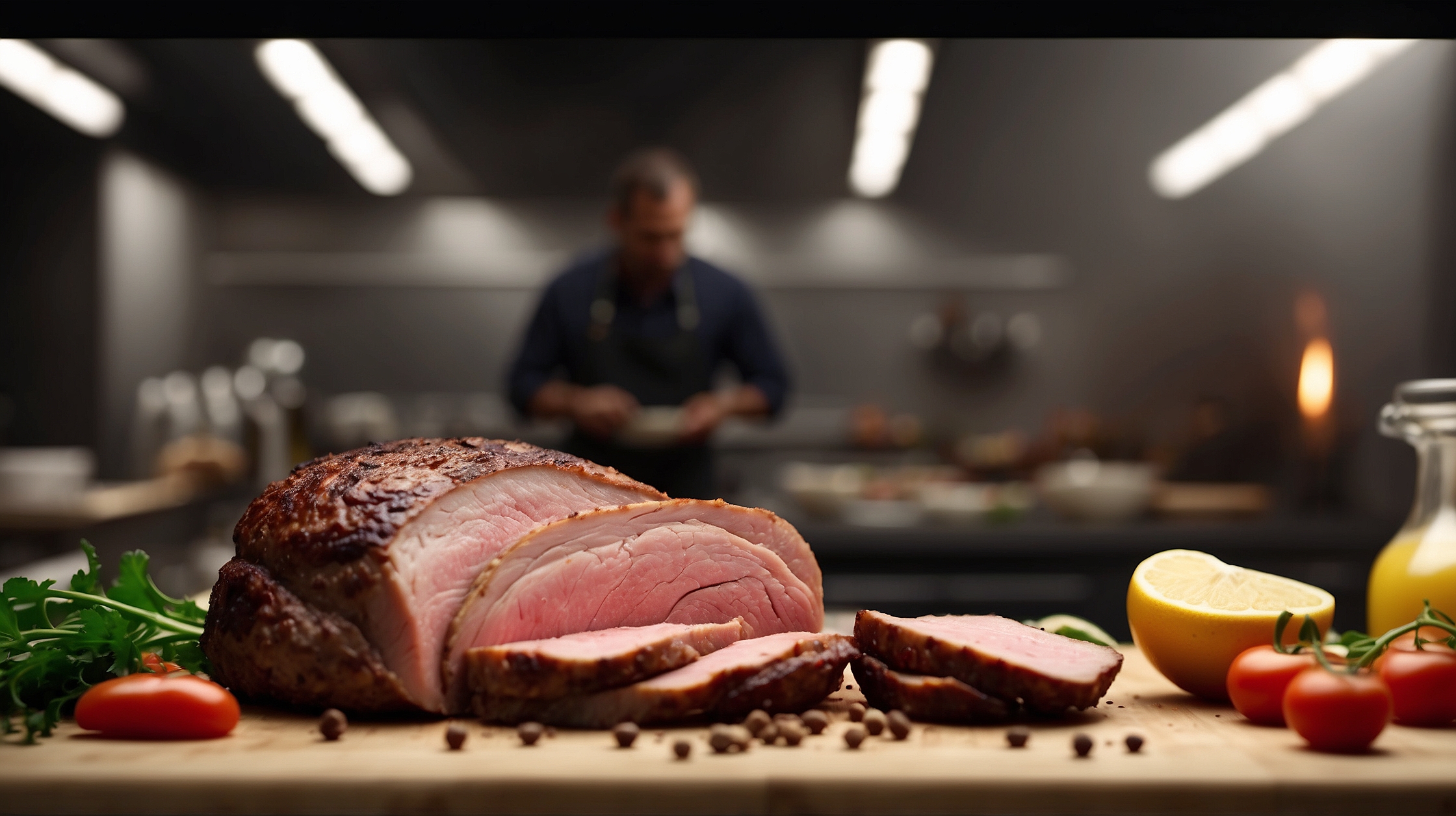
Sunday afternoons in many households are filled with the mouth-watering aromas of a roasted dinner wafting through the kitchen. The golden, crispy skin of a roast chicken or the savory scent of a perfectly cooked beef brisket has a special way of bringing families together. But, just as the roast rests triumphantly on the cutting board, knives are drawn — figuratively and literally — as hungry diners gather around, ready to carve into the sizzling meat. That’s when a crucial decision must be made: do you slice immediately or wait?
It might surprise you, but seasoned chefs and culinary experts agree on one important — often overlooked — step: letting your roast rest. That slight delay, typically just ten minutes, might feel torturous when hunger strikes, but it’s the key to unlocking tenderness, flavor, and juiciness. While it may seem like a small detail, the science and culinary wisdom behind letting meat rest reveals it to be one of the most impactful techniques in achieving restaurant-quality results at home.
So why does letting meat rest matter so much? Why is patience just as essential as proper seasoning or temperature control? Let’s dive into the compelling reasons resting your meat before carving can elevate your cooking from good to unforgettable.
Key reasons to let your roast meat rest before carving
| Reason | Impact |
|---|---|
| Redistribution of juices | Prevents juices from spilling out, ensuring moist and flavorful meat |
| Continued cooking from residual heat | Meat finishes cooking evenly resulting in better texture |
| Improved carving | Meat firms up slightly, making it easier to slice cleanly |
| Consistent internal temperature | Results in balanced doneness without cold spots |
The journey of meat from oven to plate
When meat is roasted, whether it’s poultry, pork, or beef, the heat causes muscle fibers to contract and expel moisture. This means that during the final minutes in the oven, much of the meat’s juice is driven toward the outer layers. If you slice into the roast immediately, those flavorful juices will come rushing out—but if you give them time to relax, they’ll redistribute evenly throughout the meat.
Letting meat rest allows the proteins to reabsorb some of the moisture lost during cooking. This results in a more succulent bite and a visually appealing slice. Carving too soon can leave your pan dry and your meat unevenly cooked, often leading to disappointment at the table.
The science behind juice redistribution
Here’s the science in simple terms: meat is made up of muscle fibers that contain water and nutrients. During cooking, heat causes these fibers to contract and push the juices toward the surface. If meat is carved immediately, this liquid escapes instead of being absorbed back into the fibers.
As the meat sits off the heat, the temperature stabilizes and the fibers begin to relax, creating space for moisture to settle back in. This is particularly important for larger roasts like turkey or prime rib, which retain more internal heat that continues to circulate during the resting period. The result? Each slice is not only juicier but also packs more flavor.
“Resting meat is just as essential as seasoning. You can cook a roast perfectly, but if you don’t let it rest, you lose the payoff.”— Chef Elena Martinez, Culinary Instructor
How long should you rest your meat?
The rule of thumb varies depending on the size and type of meat. For smaller cuts like steaks or chicken breasts, 5–10 minutes will usually suffice. For larger roasts—think leg of lamb or a whole turkey—a minimum of 10–20 minutes is recommended. Some chefs follow a “minute-per-100-grams” guideline, which works well for achieving a balanced result.
Scope for variability also depends on the cooking method. Slow-roasted meats may cool quickly due to lower final temperatures, while high-heat roasts contain more residual heat needing more time to redistribute evenly.
“I rest my roasts no less than 15 minutes. You wouldn’t rush a piece of art, so why rush a roast?”
— Daniel Kwan, Executive Chef
Resting doesn’t mean serving cold meat
A common concern among home cooks is that resting leads to cold meat. The truth is, meat continues to cook from residual or ‘carry-over’ heat, sometimes rising as much as 5 to 10 degrees Fahrenheit during resting. To prevent chilling, simply tent the meat loosely with foil. This traps enough heat to keep the meat warm without steaming the exterior, which could ruin the desired crisp crust.
It’s a delicate balance—avoid wrapping too tightly, as that creates condensation which can soften the outer layer. The goal is to retain warmth while letting the internal moisture settle.
Better slicing with firmer structure
Meat that’s just come out of the oven is soft, which makes it harder to slice uniformly. Resting allows the roast to firm up slightly, making carving easier and resulting in cleaner cuts.
Clean slices also give your presentation a significant boost. Whether for a holiday meal or a weeknight dinner, serving neat, symmetrical slices elevates the visual appeal and professionalism of your dish.
Common mistakes to avoid while resting meat
- Skipping the foil tent: Not covering the meat at all can lead to quick cooling.
- Covering too tightly: Traps steam which softens crispy skin or crusts.
- Resting in a cold environment: Drafts or cold countertops zap heat quickly; use a warm area or cutting board.
- Inconsistent timing: Under-resting leads to juice loss, over-resting can cool meat too much.
Understanding the impact of various meats
| Meat Type | Ideal Rest Time | Resting Benefit |
|---|---|---|
| Beef Roast | 15–20 minutes | Retains rich beefy juices, easier slicing |
| Pork Loin | 10–15 minutes | Juicy and slightly firmer texture |
| Chicken | 10 minutes | Even internal temperature, juicier breast meat |
| Turkey | 20–30 minutes | Essential for even cooking, moist white meat |
Final thoughts on resting your roast
The act of letting your roast sit quietly on the counter isn’t just a culinary footnote — it’s a vital chapter in the narrative of great cooking. The simplicity of the step belies its incredible impact on flavor, texture, and overall satisfaction at the table.
Next time you’re eagerly anticipating that first bite of your roast, remember: a few extra minutes of patience can offer significant dividends. It’s a trick chefs swear by and a habit any home cook can adopt immediately for better meals.
Frequently Asked Questions
Why is resting meat important?
Resting allows juices to redistribute throughout the meat, resulting in juicier and more flavorful slices after carving.
How long should I rest steak versus a large roast?
Small cuts like steaks rest for about 5–10 minutes, while large roasts benefit from 15–30 minutes, depending on size.
Will my meat become cold while resting?
No, if tented properly with foil, the residual heat continues cooking and maintains a warm internal temperature.
What’s the best way to tent the meat?
Use aluminum foil lightly draped over the top. Avoid sealing it tightly to prevent steam buildup.
Can I carve meat straight from the oven if I’m short on time?
You can, but expect to lose a lot of juice and end up with drier, less flavorful meat.
Does resting meat work for grilled meats too?
Absolutely. Grilled meats benefit equally from resting, especially steaks and pork chops.
How do restaurants keep roast meat hot while resting?
Most rest meats in warming drawers, under heat lamps, or wrapped in foil on warm trays to maintain temperature.
Does resting affect seasoning or crust?
Resting preserves the crust if not tented too tightly. Seasoning remains intact and flavor-rich.