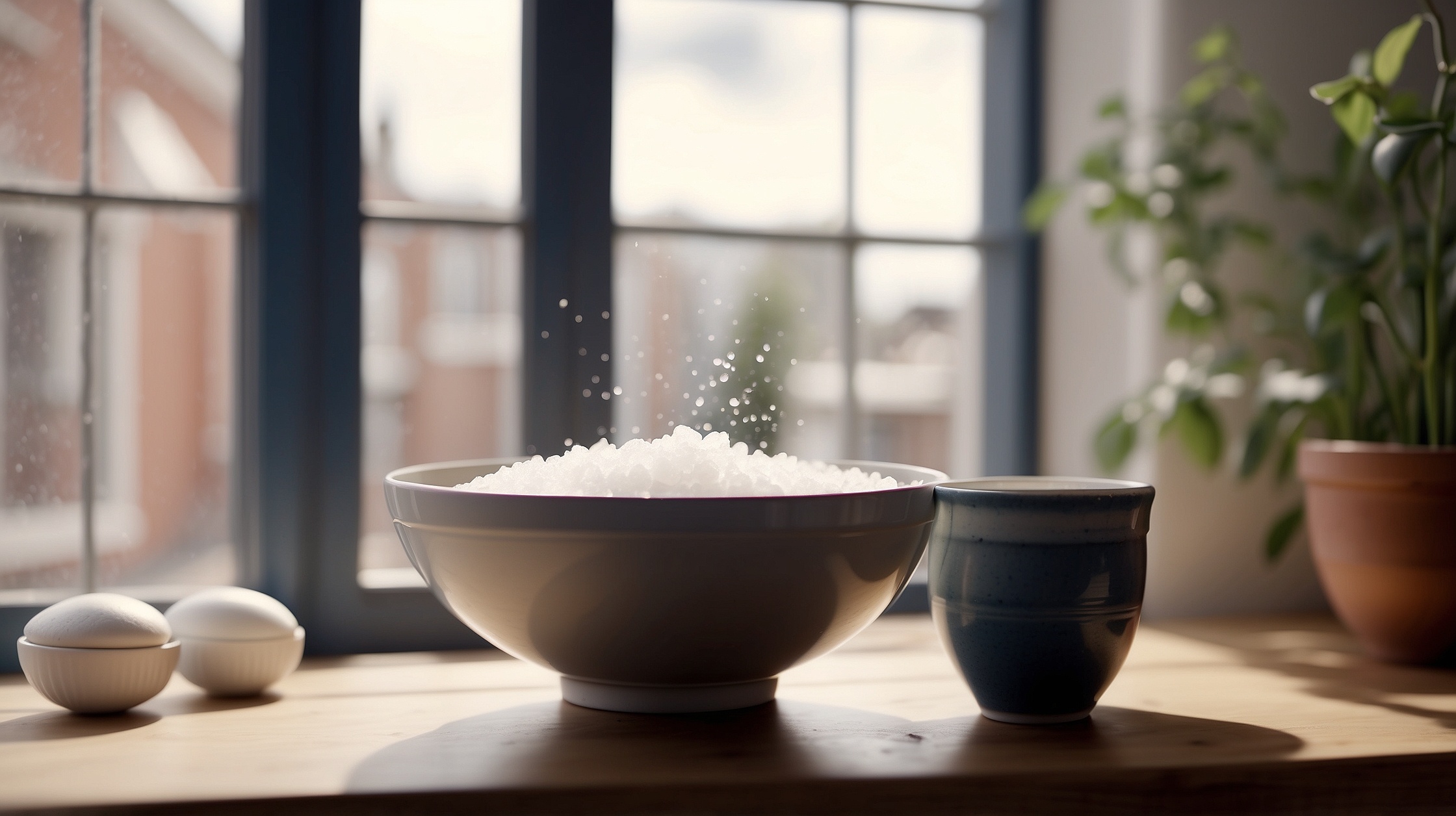
As the sun set over a quiet evening in a small Thai village, an elderly woman named Boonsri performed a ritual she had learned from her grandmother. She filled a ceramic bowl with salt and water, placed it on the windowsill of her home, and whispered a quiet prayer. For generations, people in her family had believed that this simple practice held powerful benefits — not only to cleanse bad energy but also to invite peace, prosperity, and clarity. Today, this age-old tradition is going viral across social platforms, captivating a new generation intrigued by both spiritual rituals and practical life hacks.
In a world increasingly dominated by high-tech solutions and complex wellness routines, the sudden popularity of a bowl of salt water by the window might seem surprising. Yet, its simplicity is part of the appeal. Rooted in cultural practices and spiritual beliefs, this method is believed to absorb negativity from the environment, improve emotional well-being, and even bring financial luck. Whether you’re a skeptic or a believer, the increasing number of testimonials cannot be ignored.
With people across the globe re-discovering the benefits of natural remedies and ancient wisdom, the bowl of salt water placed by the window is emerging as a symbol of balance — between tradition and modernity, science and spirituality. Here’s what you need to know about this fascinating practice taking the world by storm.
Why people are placing a bowl of salt water by the window
| Purpose | Absorb negative energy, purify the air, and invite positivity |
| Items Needed | A bowl, water, and unrefined salt (e.g., sea salt or rock salt) |
| Best Placement | Near a window that receives sunlight and airflow |
| Frequency | Replace water and salt weekly or when it appears cloudy |
| Believed Benefits | Emotional healing, mental clarity, spiritual protection, and financial luck |
| Spiritual Origin | Rooted in Asian and Middle Eastern customs; now popular worldwide |
The cultural and spiritual roots of the tradition
Placing a bowl of salt water by the window is not just a decorative choice, but one with deep spiritual and cultural significance. In many Asian and Middle Eastern cultures, **salt** is considered a pure substance with the ability to neutralize energy fields. Combined with **clean water**, it is thought to absorb negative vibrations and restore equilibrium in the home.
In traditional Feng Shui, salt is known to clear stagnant “Chi” or energy. Similarly, in Thai and Indian belief systems, saltwater rituals are used to banish evil spirits or cleanse a home. These rituals are practiced during temple holidays or at the beginning of a new lunar month to renew spiritual balance. Spiritual healers and monks often recommend such practices for those suffering from emotional turmoil or recurring obstacles in work and relationships.
“I always advise people to keep a salt water bowl near windows because it’s one of nature’s easiest and most effective cleaners—both physically and energetically.”
— Master Rith, Thai Holistic Energy Healer
How to place your salt water bowl for maximum effect
Implementing this practice is both **easy** and **cost-effective**, making it suitable for homes, offices, dorm rooms, and even storefronts. Here is the basic method for setting up your salt water bowl:
Step-by-step guide
- Choose a **clean glass or ceramic bowl**. Avoid metal containers, which can react with salt.
- Add **two-thirds of clean water** — preferably filtered or spring water.
- Add **unrefined salt** (like sea salt or Himalayan pink salt) until it creates a layer at the bottom of the bowl.
- Place the bowl near a **window where it gets sunlight and airflow**.
- Let it sit undisturbed for at least **7 days**.
- Dispose of the water safely if it becomes cloudy, and refill with fresh water and salt.
Try to keep at least one such bowl in areas where people frequently gather or in rooms where arguments or stress are common. Some even put one near workspaces to help aid focus and inspiration.
The energy cleansing effect and how it works
Advocates of the salt water bowl practice believe that the **ions released by salt and water** help neutralize negative charges in the air. Much like how Himalayan salt lamps claim to purify the atmosphere, these bowls ostensibly act as passive filters, trapping emotional residues and stress-related energy.
Another layer to the belief is more metaphysical. Salt is seen not only as physical matter but as a vibrational mineral, with the capacity to **absorb frequencies associated with anger, fear, and jealousy**. When combined with the element of water — symbolic of emotion and fluidity — the bowl becomes a vessel for spiritual filtration.
“Even if you don’t believe in energy fields, the act of setting an intention and focusing your mind during this ritual is beneficial on a psychological level.”
— Dr. Lin Chen, Expert in Holistic Psychology
People who can benefit most from this ritual
While anyone can try this practice, certain individuals may find it particularly useful as a complementary tool for emotional and environmental wellness. This includes:
- People going through difficult transitions such as divorce or job loss
- Students facing mental burnout or anxiety
- Professionals who work in high-stress environments
- Family households with frequent interpersonal tension
- People practicing meditation or spiritual development
Several users report noticing a lighter mood or a more harmonious home environment after incorporating the salt bowl practice into their routine. While scientific data remains limited, anecdotal evidence continues to grow.
Potential downsides and safety precautions
Because the practice involves natural elements, it is relatively safe for most people. However, some basic precautions can help avoid any secondary issues:
- Make sure the bowl is placed out of reach of children and pets to avoid ingestion or spills
- Change the water at least weekly to prevent bacterial algae or mold
- Dispose of used water responsibly — pouring it into the soil (not down the sink) is advised by some traditions
Also, this practice is not meant to **replace medical or psychological treatment**. It is a supplementary tool that may enhance overall wellness when paired with other forms of self-care.
Modern popularity in the digital age
With platforms like TikTok and Instagram showcasing the before-and-after of rooms enhanced with minimalist rituals like the salt water bowl, the trend has found new life, especially among younger audiences. DIY spiritualists, wellness influencers, and even certified therapists are beginning to explore and explain the growing phenomenon.
“It’s simple, cost-friendly, and taps into our human need to connect spiritually, especially in chaotic times,” remarked one user in a viral post showing her seven-day salt bowl transformation — from clear water to a cloudy murky mix. Even skeptics admitted curiosity after seeing the visual results.
FAQs about placing a bowl of salt water by your window
What type of salt works best for this ritual?
Unrefined salts like sea salt, Himalayan pink salt, or rock salt are preferred due to their natural mineral content and purity.
How often should I change the water and salt?
It’s recommended to replace the mixture weekly or sooner if the water becomes noticeably cloudy or discolored.
Can I place the bowl in a bedroom?
Yes, but make sure it’s in a safe location where it won’t get tipped over. Bedrooms are also commonly used to enhance peace and sleep quality.
What should I do with the used salt water?
Traditionally, it is advised to discard it outside — either into the soil or in a drain followed by clean water — as it holds absorbed negative energy.
Can a metal bowl be used instead of ceramic or glass?
Metal is not recommended because it can corrode over time and interact with salt minerals, potentially diminishing the effect.
Will this replace air purifiers or therapy?
No, the salt water bowl is a supplementary practice. While it may benefit emotional or spiritual balance, it should not replace proven health treatments.
Can I add essential oils or herbs to the mixture?
Some people do, but traditional methods recommend keeping it simple with just salt and water for purity.
Is sunlight necessary for it to work?
While sunlight enhances the effect by charging the water energetically, the bowl can still work in shaded spots, though possibly to a lesser degree.