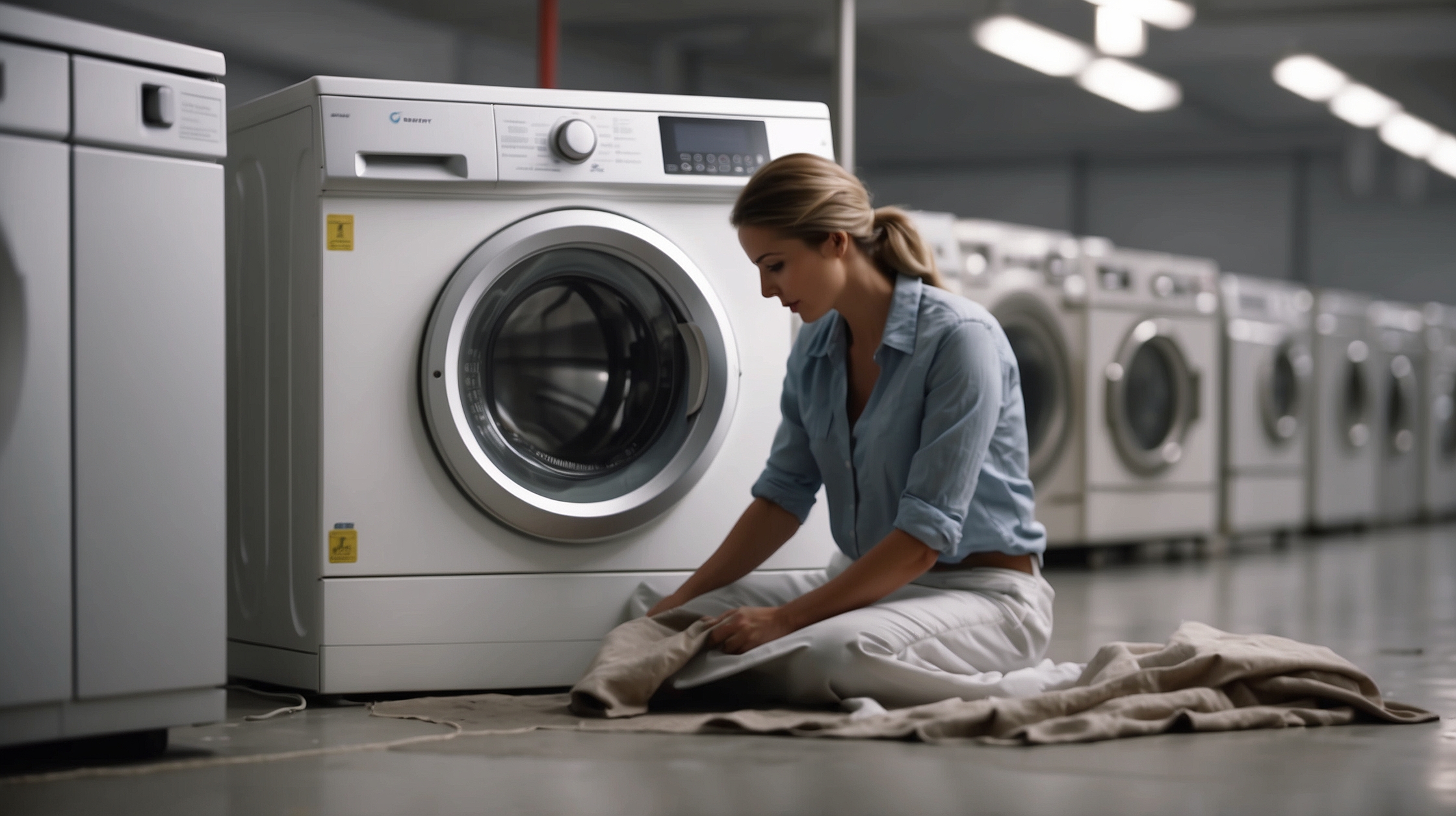
When Sarah Porter, a busy mom of three from Ohio, upgraded to a high-efficiency front-loading washing machine last year, she thought she had solved all her laundry headaches. Quieter cycles, energy and water efficiency, plus a sleek new design—all the promises seemed too good to be true. But just two months in, her excitement turned to frustration. Her clothes started coming out soaking wet, tangled, and sometimes even with a foul smell. After spending hundreds on service calls, one technician finally told her the issue: her constant use of the “Bulky Items” cycle was causing more harm than good.
Sarah isn’t alone. Across the country, laundry experts and repair technicians are raising red flags about one of the most misused washing machine settings—the “Bulky” or “Heavy Duty” wash cycle. Many consumers, unaware of the consequences, rely on it for more than just large comforters, mistakenly believing it provides a deeper clean or better results for regular loads. But the truth may be both surprising and alarming: the Bulky cycle could be damaging your clothes, straining your appliance, and wasting critical resources like water and electricity.
So what exactly is the problem with the Bulky cycle? Why are technicians urging homeowners to avoid it unless absolutely necessary? And what cycles should you be using instead to save money, preserve your wardrobe, and extend the life of your washer? Here’s what every household needs to know.
Why the Bulky Items cycle is under fire
| Issue | Impact |
|---|---|
| Excess water usage | Leads to higher bills and inefficient use of resources |
| Uneven loads | Causes imbalance, leading to appliance wear and tear |
| Clothes not properly agitated or rinsed | Results in residue, odor, or poor cleaning |
| Longer cycle times | Wastes time and increases energy costs |
| Misuse by consumers | Frequent misapplication can shorten washer’s lifespan |
What the Bulky Items cycle is really designed for
Despite its appealing name, the “Bulky Items” or “Heavy Duty” cycle was not made for everyday laundry. It’s designed for washing items that are large, uneven, and absorbent—such as comforters, blankets, pillows, and rugs. These items are difficult to wash using regular cycles because they require more water to soak through and more robust agitation to move around the drum evenly.
However, the drawbacks of this cycle make it a poor choice under most circumstances. Most Bulky cycles use significantly more water and spin at a lower speed to prevent damaging heavy fabrics. If you use this for regular clothes—shirts, jeans, delicates—you may end up with soggy fabrics, poorly rinsed detergent, and an overworked machine.
“Using the Bulky cycle for your regular laundry is like using a chainsaw to trim a bonsai tree. It’s excessive, inefficient, and it will cause damage.”
— Dave Benton, Technician with 20 years’ experience in appliance repair
How the Bulky cycle affects your washer
Many technicians report that misusing settings is one of the top contributors to wear-and-tear on modern appliances. The Bulky cycle is especially notorious for creating imbalance in loads, which not only causes loud banging sounds during the spin cycle but also strains the drum bearings and motor.
Over time, this leads to costly repairs or full replacements. The extended cycle duration also increases the risk of overheating internal components. What many don’t realize is that water-rich loads are more demanding for spin dynamics and drainage—systems only designed to handle such intensity periodically, not during every wash.
“We tell customers repeatedly—unless you’re washing a blanket or rug, avoid the Bulky cycle. It’s the fastest way to shorten the life of your washer.”
— Paula Kim, In-home appliance technician and consultant
The environmental and financial cost you might not see
At a time when water conservation has become essential in countless regions, frequent misuse of the Bulky cycle contributes significantly to household waste. Some high-capacity machines can use up to 25-30 gallons of water per Bulky cycle—often double or triple what they’d use for a Normal or Eco setting.
Multiply that by 3–5 loads per week, and the added expense becomes clear. Not just in water, but in energy used to run long, intense cycles and then tumble dry water-heavy clothes for even longer durations. It’s a financial and ecological burden few realize until a change is made.
| Winners | Losers |
|---|---|
| Environmentally-conscious consumers who stick to Normal/Eco cycles | Uninformed users relying on Bulky cycles unnecessarily |
| Appliance maintenance budgets kept low | Washing machines subject to heavy wear from improper use |
| Clothes that last longer due to gentler wash | Garments ruined by poor rinsing and excessive water exposure |
Better alternatives for most laundry needs
Unless you’re washing extremely large or absorbent items that can’t be aerated properly in a regular cycle, it’s best to use settings specifically tailored to your load type. For everyday clothes, the Normal or Cotton cycle is usually sufficient—and more energy- and water-efficient.
High-efficiency machines offer settings like “Eco Wash,” “Quick Wash,” and “Delicates.” These not only use less water and energy but also rotate drum speed and temperature in a way that provides hygienic cleaning without stress on the fabric or machine parts.
Use the Bulky cycle strictly for:
- Comforters
- Large bedding sets
- Pillows (used sparingly and balanced in machine)
- Heavy-duty rugs (if allowed in washer)
Technician-approved laundry tips for best results
- Always sort loads by weight and fabric type.
- Use the correct water temperature for stain and detergent activation.
- Don’t overload the drum—it hampers spin efficiency.
- Stick to Normal or Eco cycles for typical clothes.
- Use HE detergent in high-efficiency machines only.
- Run a monthly drum-cleaning cycle with vinegar or cleaning tablets.
“Understanding your machine’s behavior can help avoid costly mistakes. The manual isn’t optional reading—it’s the difference between years of smooth service or inconvenient breakdowns.”
— Corey Lane, Appliance School Instructor
FAQs about washing machine cycles and misuse
Is it bad to use the Bulky cycle too often?
Yes. Regular use can strain internal components, waste water, and result in poorly cleaned clothes when not used appropriately.
What’s the best cycle for daily laundry?
The Normal or Cotton cycle is usually sufficient and optimized for most types of clothing.
Can I mix regular clothes with a comforter in the Bulky cycle?
It’s best not to. Comforters require sufficient space and water dispersion. Mixing items can lead to uneven washing and imbalance issues.
Does the Bulky cycle use more water?
Yes, significantly more. It’s designed to add extra water to soak thick fabrics, which is unnecessary for regular clothes.
Why do towels come out smelly sometimes?
If washed on the wrong cycle or overstuffed, towels may not rinse properly, leading to residue buildup and odor.
How do I know if I’m overusing my washer’s settings?
Frequent service issues, clothes not rinsing completely, or excessive noise during wash/spin cycles are all signs of misuse.
What’s the safest all-around laundry setting?
If unsure, the Normal cycle with warm water and a proper-size load is your safest bet.
Should I always use hot water for heavily soiled loads?
Hot water helps break down oils and kill bacteria but may shrink or fade fabrics. Use it with caution and for appropriate loads only.