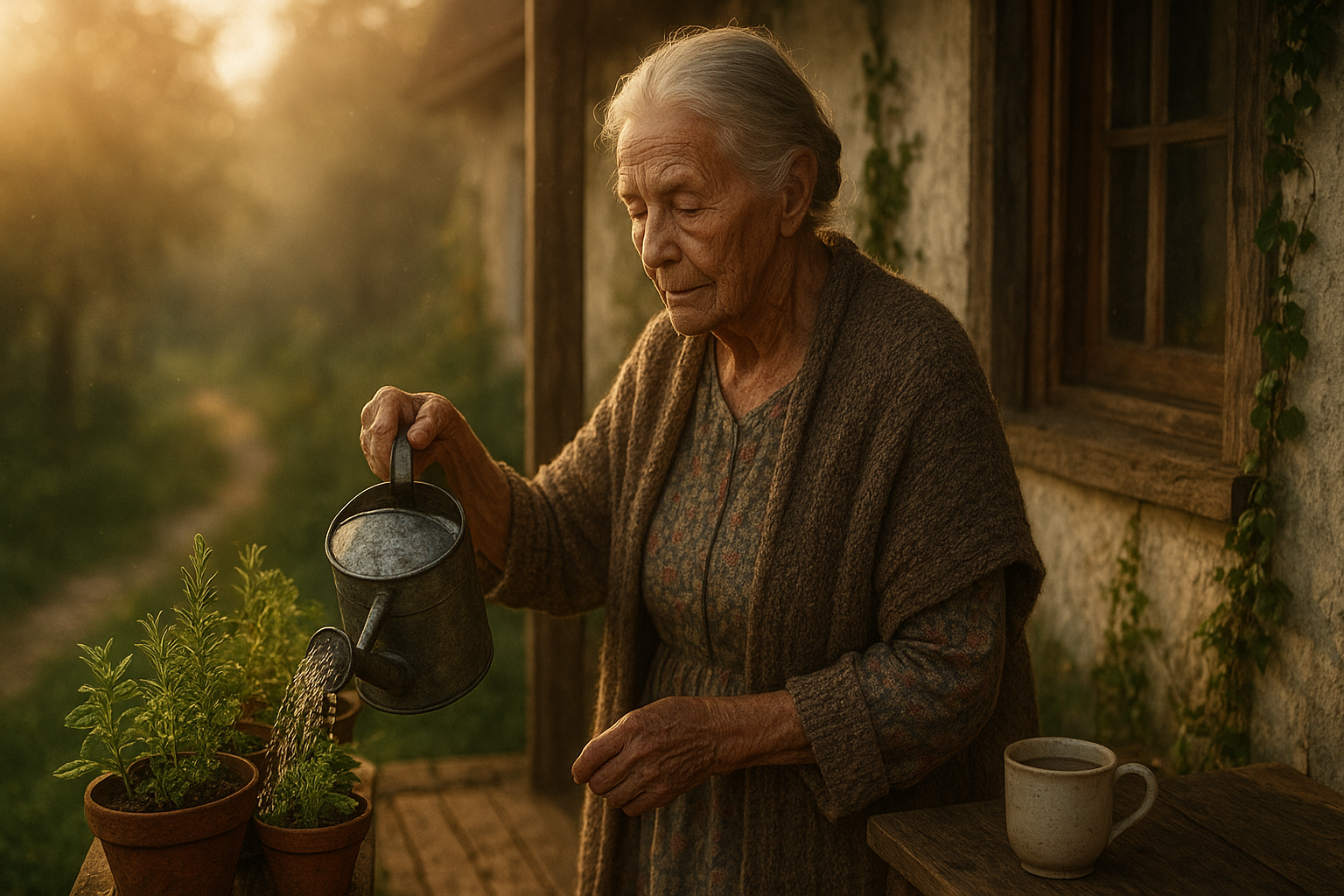
Every morning, 103-year-old Doris Ward wakes up in her cozy home in Dorset, England. She brews a fresh cup of tea, takes a walk in her garden, and prepares a light breakfast — often something simple like porridge and fruit. Her days are filled with purpose, laughter, and a steadfast refusal to slow down. In a society where aging often evokes fear and dependency, Doris charts a different course — one punctuated not by decline, but by dignity, resilience, and agency over her life.
Now in her second century, Doris is more than a centenarian — she is a symbol of what’s possible with the right daily habits and mindset. For her, growing older has not meant relinquishing autonomy or joy but embracing each moment with intention. She credits her vibrant longevity to a mix of common sense, routine, and a good bit of self-discipline. But her story is more than a list of habits — it’s about the powerful belief that aging with independence is a choice, not a privilege.
In sharing her story, Doris aims to inspire others to reevaluate what aging can look like. “I refuse to end up in care,” she says firmly — not out of fear, but from a desire to live life on her terms. Her surprisingly simple but powerful lifestyle offers valuable insights into how anyone can take steps toward a longer, healthier, and more independent life.
Doris Ward’s daily routine and keys to her longevity
| Category | Doris Ward’s Approach |
|---|---|
| Age | 103 years old |
| Diet | Light meals, minimal sugar, high fiber |
| Exercise | Daily walking, gardening |
| Mental Health | Staying upbeat, engaging with people |
| Independence | Lives alone, manages daily tasks herself |
| Sleep | Early to bed, early to rise |
The power of routine and optimism
Doris follows a carefully regimented daily routine that supports both her physical health and mental clarity. She believes in the power of structure—waking at the same time each morning and maintaining regular meal times. “I’ve always said that if you look after your body, it’ll look after you,” she notes.
Perhaps even more striking than her physical habits is her mental outlook. Doris maintains a light-hearted and positive approach to life. She refuses to dwell in negativity and often jokes with her neighbors and family. This emotional resilience is something researchers have often linked to increased longevity, as those who stay socially and emotionally engaged tend to experience slower cognitive decline.
Don’t moan about the years — do something with them!
— Doris Ward, Age 103
How staying active improved her physical longevity
Doris’s mobility is one of the most impressive parts of her story. While many people over 100 rely on mobility aids or assistance, she still walks every day. She credits this to a lifelong commitment to moving her body. “I walk everywhere I can,” she explains, “and when you do that every single day, your body just expects it.”
She doesn’t approach exercise with intensity but with consistency. Her preferred methods of movement—walking and gardening—not only keep her joints flexible, but also provide a sense of satisfaction and purpose. Even inside the home, she finds small opportunities to stay active, whether by doing household chores or stretching her legs during tea breaks.
Eating for health, not for indulgence
One of Doris’s longevity secrets is her simple, nutritious diet. She avoids processed foods and cooks most of her own meals. Her approach is rooted in moderation — everything in balance and nothing in excess. For breakfast, she often has oats with fruit. Lunch might be a vegetable soup or sandwich, and dinner is typically light: perhaps steamed vegetables with a protein source.
She avoids heavy meals late at night and steers clear of excessive sugar. “I’ve never had a sweet tooth,” she laughs. She keeps her portions modest and eats slowly, giving her digestive system time to do its job.
Food is medicine if you treat it that way.
— Dr. Lillian Hayes, Gerontologist (placeholder)
Why independence matters more than ever
“I refuse to end up in care,” Doris says — and not with fear, but with fierce conviction. She insists on living in her own home, managing her days without relying on formal caregivers. This desire for autonomy isn’t about stubbornness; it’s about retaining dignity and control in later life.
Experts agree that the loss of independence can be psychologically damaging for older adults. According to gerontology researchers, maintaining control over one’s personal environment is a key predictor for longevity and life satisfaction. Doris’s ability to live independently well past 100 sets a bold example for others on preserving autonomy through proactive health management.
Autonomy gives the elderly a sense of identity and purpose that’s critical for their well-being.
— Dr. Elise Martin, Senior Behavior Specialist (placeholder)
Connections, laughter, and the human touch
A sense of community is also central to Doris’s philosophy. She maintains regular contact with family and neighbors and even goes out for Sunday lunch at the local pub. Loneliness, often termed the “silent killer” for older adults, seems to have no space in Doris’s life. Her home is often open to visitors, and she relishes the chance to connect with younger generations.
Her social interactions serve more than emotional well-being — they sharpen her cognitive abilities. Studies have shown that maintaining social ties can reduce the risk of dementia and depressive symptoms in older adults. Doris’s delight in sharing stories, laughter, and conversations is as much a part of her health regimen as her vegetables or morning walks.
What younger generations can learn from Doris Ward
Though born before the invention of color television, Doris’s story isn’t just for the elderly — it’s a relevant lesson for every age group. Her lifestyle choices, built on intention and common-sense practices, are replicable at any stage of life. Her best advice? “Look after yourself before someone has to do it for you.”
Becoming more conscious of what we eat, how often we move, and the quality of our daily connections can start now. Aging is not just about genetics, it’s also about mindset and the consistency of daily habits. Doris proves that with emotional resilience and a bit of discipline, it’s possible not just to extend life, but to enhance its quality.
Short FAQs on Doris Ward’s Longevity
How old is Doris Ward?
Doris Ward is 103 years old and living independently in Dorset, UK.
What kind of diet does she follow?
She eats light, balanced meals with an emphasis on high-fiber vegetables, avoids added sugar, and rarely indulges in processed foods.
Does Doris exercise daily?
Yes, Doris walks regularly and engages in gentle physical activities such as gardening and housework.
What does she credit most for her long life?
Routine, independence, positive mindset, and consistent self-care are the factors she emphasizes as key to her longevity.
Does Doris take any supplements?
The article does not mention supplements, suggesting her diet alone provides her nutritional needs.
How does she stay socially connected?
She maintains strong relationships with family, chats with neighbors often, and attends social outings like Sunday pub lunches.
What view does she have on care homes?
She has a firm commitment to living independently and strongly prefers maintaining her own home and lifestyle.
Can others realistically follow her lifestyle?
Yes — her habits are simple, affordable, and based on moderate lifestyle choices that are accessible to most people.