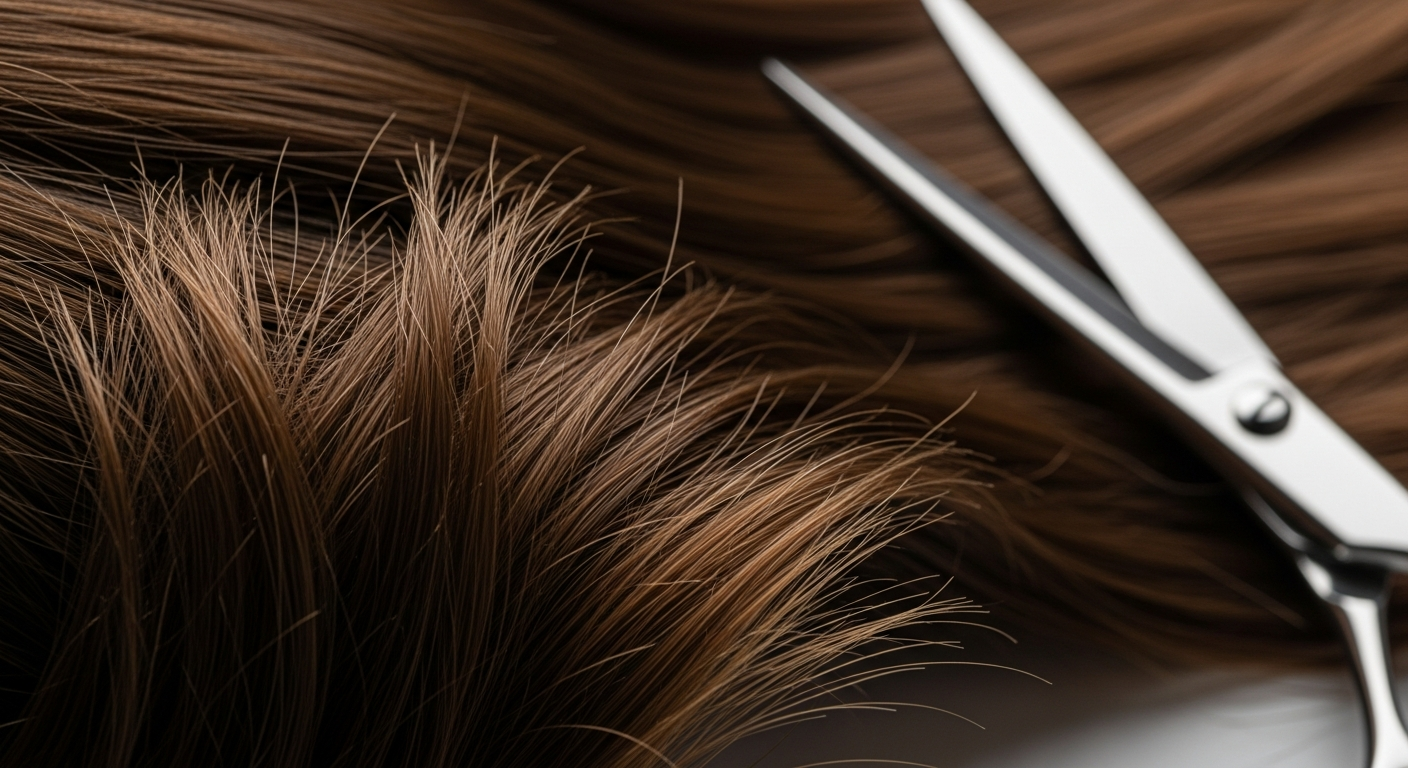
When it comes to growing long, healthy locks, patience and care go hand-in-hand. Yet for many people on a hair-length journey, the advice to cut your hair frequently can feel counterintuitive. “Wait—how can trimming my hair help it grow longer?” you might ask. It’s a question that baffles many at first glance. Still, hairstylists and professionals swear by regular trims as a not-so-secret weapon against split ends and breakage, which can sabotage your long-hair goals.
Consider this: you’ve been avoiding the salon to let your hair grow out. Weeks turn into months, but your hair seems to hit a plateau. Despite avoiding scissors, your ends are fraying, breaking, and making your hair look rough and uneven. What gives? According to hair experts, the culprit is split ends—those sneaky little frays that might start small but travel up the hair shaft, causing more damage and making your hair actually appear shorter and less healthy over time.
It turns out, regular trims every six to eight weeks aren’t a setback—they’re an essential maintenance routine that helps your hair flourish. By preventing split ends from climbing up the shaft and causing further breakage, trims preserve the integrity and appearance of your hair, allowing it to grow longer and look healthier. Ready to change how you think about getting a “cut”? Here’s everything you need to know.
Why regular trims are essential for hair growth
| Fact | Detail |
|---|---|
| Trim Frequency | Every 6–8 weeks |
| Main Benefit | Prevents split ends from traveling up the hair shaft |
| Appearance | Hair looks fuller, shinier, and longer |
| Growth Impact | Reduces breakage, preserving length |
| Recommended For | All hair types, especially dry or chemically treated hair |
The science behind split ends and how they travel
Hair is made of a protein called keratin, bound together by chemical bonds that give each strand its strength. But over time, mechanical stress—like brushing, heat styling, and chemical processing—weakens the cuticle, the outer layer of your hair. When this happens, the hair begins to split at the ends. And split ends aren’t static; they can travel upward, unraveling the strand and causing breakage higher along the shaft. This makes your hair appear shorter, thinner, and more fragile.
By trimming off split ends before they can migrate, you effectively halt the damage in its tracks. Even if a trim removes a quarter-inch to half-inch of length, it preserves inches in the long run by avoiding future breakage. This proactive maintenance helps your hair retain its density and strength.
Visual deception: why trimmed hair looks longer
One of the biggest revelations for those growing out their hair is that regular trims can actually make hair appear longer. Here’s why: damaged ends tend to frizz, curl, and break off, giving your hair a thinner, uneven shape. This unhealthy appearance can make even longer hair look stubby and neglected.
By contrast, hair with clean, even ends reflects more light, feels smoother, and maintains better shape. The illusion of length is enhanced when the silhouette flows naturally instead of being disrupted by split, jagged tips. It’s the beauty equivalent of tailoring your clothes—a small tweak that makes the whole picture come together.
How hair type and condition influence trim frequency
While “every six weeks” is a general rule of thumb, not all hair has the same needs. For example:
- Fine or straight hair: Prone to showing damage more easily. Trimming every 6 weeks helps keep it strong and clean-looking.
- Thick or coarse hair: May need trims less frequently, around every 8–10 weeks, but should be monitored for signs of dryness or splitting.
- Curly or textured hair: Can often mask damage because of curl pattern, but needs gentle trimming every 2–3 months to maintain shape and hydration.
If you chemically treat your hair—whether color, bleach, perms, or relaxers—it’s more vulnerable to split ends. In these cases, stick closer to the six-week cycle to minimize breakage and reinforce your hair’s natural elasticity.
Preventing split ends between trims
While trims help reset your hair’s health, your daily habits play a crucial role in maintaining it. Here are some stylist-backed strategies to help prevent split ends between appointments:
- Use a wide-tooth comb instead of a brush on wet hair to reduce mechanical stress.
- Invest in a silk pillowcase to reduce friction during sleep.
- Minimize heat styling and use a heat protectant when using blow dryers or irons.
- Deep condition weekly, especially if your hair is color-treated or dry.
- Tie hair loosely using scrunchies or spiral hair ties to avoid breaking strands.
“Hair doesn’t stop growing; it breaks off when split ends aren’t removed in time. Trimming is a growth strategy, not a setback.”
— Jenna Morales, Professional Hairstylist
How to spot when it’s time for a trim
If you’re unsure whether it’s time for a trim, pay attention to the following signs:
- The ends of your hair feel dry or gummy.
- You can visibly see fraying or feathering at the strand tips.
- Your hair tangles more easily and becomes harder to manage.
- Your style no longer holds, and your ends don’t behave the way they used to.
These symptoms indicate damage that, if left untreated, could travel and cause greater breakage. Even a minimal trim can refresh the look and restore your hair’s profile.
Creating a trim schedule that works for you
Sticking to a trim schedule doesn’t have to be rigid. Integrate trims with your other hair goals. If you’re growing out layers or transitioning to natural hair, you can trim selectively—targeting only the damaged areas while preserving length elsewhere.
Mark your calendar or set reminders every six to eight weeks. Better yet, pre-book appointments at your salon so you stay on track. Think of it as routine maintenance, like a dental checkup or an oil change. Small preventative measures now mean fewer repairs later.
“We spend so much effort growing our hair, but without trimming, we lose more than we gain. Consistency is the secret to real length.”
— Dr. Camille Brown, Trichologist
When trimming isn’t optional
Sometimes we wait too long between trims, and the damage accumulates. If your ends have multiple splits, or if you’re noticing shedding or mid-shaft splits, it’s time for a more significant cut. Don’t panic. Addressing the damage head-on allows healthier strands to grow in their place, putting you back on track for long, luscious hair.
Common myths about trimming and hair length
Let’s debunk a few frequent misconceptions:
- Myth: Trims make your hair grow faster.
Fact: Hair grows from the root, not the ends. Trims prevent breakage, allowing you to see more sustained length over time. - Myth: Avoiding trims helps hair grow longer.
Fact: Skipping trims causes more split ends, leading to breakage that shortens the visible length of your hair. - Myth: Only damaged hair needs trimming.
Fact: Even healthy hair benefits from regular maintenance to keep damage at bay.
FAQs about trimming and hair growth
Does trimming hair every 6 weeks help it grow faster?
No, but it helps preserve length by preventing split ends from traveling upward and causing breakage.
Can trimming reduce frizz and improve shine?
Yes, cleaner ends reflect more light and reduce tangles, making hair look shinier and smoother.
Is it okay to trim hair at home?
While small dusting trims are fine at home with proper shears, professional trims ensure evenness and health assessment.
Will regular trims make my hair thicker?
They won’t change your hair density but can make your hair appear fuller by minimizing split ends and improving shape.
How can I tell if I have split ends?
Look for strands that split into two or more tips, or ends that feel rough and tangle easily.
Can trimming help with hair tangling?
Absolutely. Damaged, frayed ends are a major cause of tangling. Removing them reduces knots significantly.
Is trimming more important for color-treated hair?
Yes. Chemical processing weakens hair structure, increasing the risk of splits. Regular trims protect delicate colored hair.
How do I maintain length while trimming regularly?
Trim minimally—about ¼ to ½ inch—but stay consistent. This helps prevent breakage while promoting longer-looking hair.