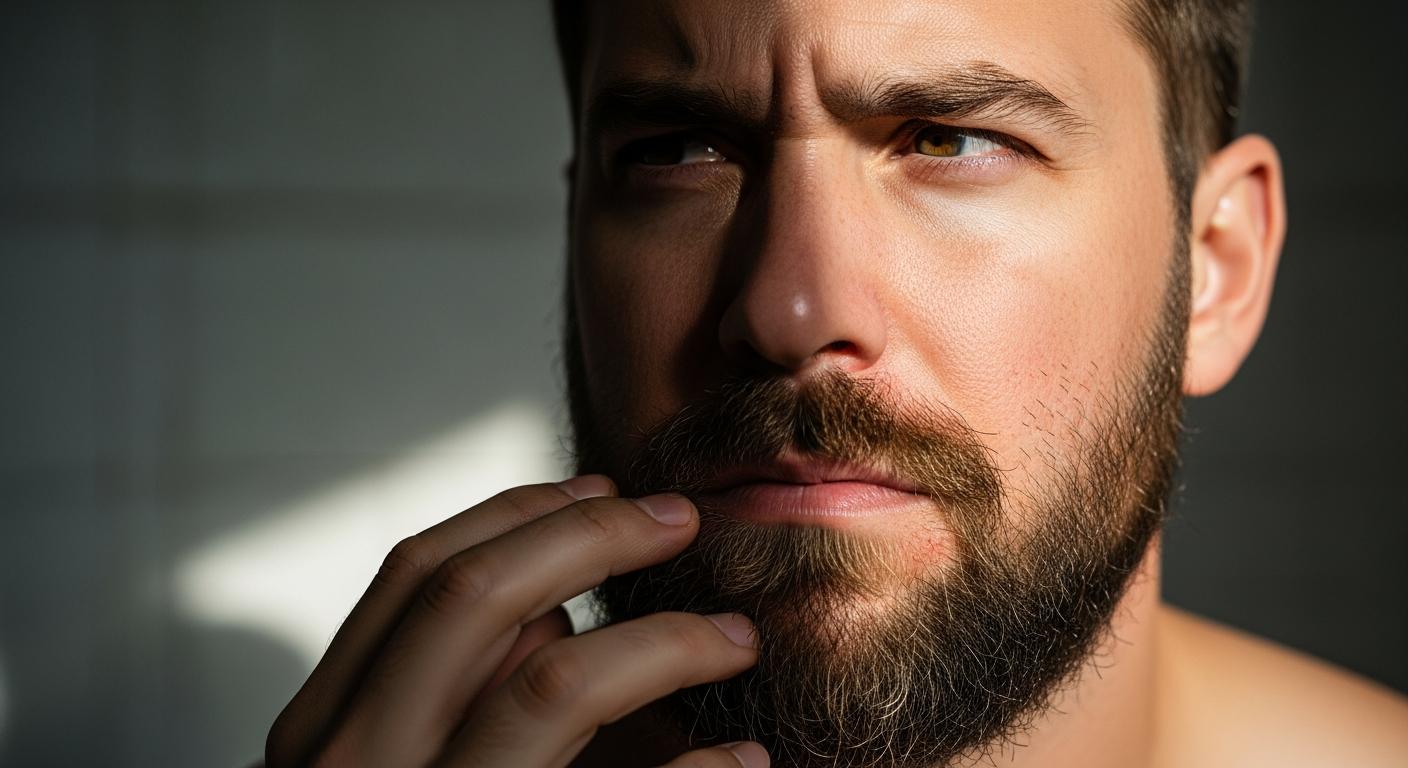
If you’re struggling with dry, itchy skin beneath your beard, you’re far from alone. Millions of men around the world experience discomfort caused by improper beard care, often without realizing the source of the problem. The truth is, your grooming routine might be doing more harm than good — especially if you’re using the same shampoo on your beard that you use on your head. It may seem like a harmless habit, but the effects can be surprisingly damaging over time.
This common shortcut might stem from convenience or lack of knowledge, but the outcome is the same: a brittle beard, irritated skin, and relentless itchiness that makes growing a beard feel like a never-ending battle. The good news? It doesn’t have to be this way. Transforming your beard care routine is simpler than you think — and starts with understanding exactly why hair shampoo isn’t meant for facial hair in the first place.
Below, we break down the science behind beard care, debunk the myths about hair shampoo use, and offer expert advice on how to upgrade your grooming game for a healthier, softer, and more manageable beard.
Understanding the differences between scalp and facial skin
| Category | Scalp | Face (Beard Area) |
|---|---|---|
| Skin Sensitivity | Thicker, higher oil content | Thinner, more prone to dryness and irritation |
| Hair Type | Straighter, finer hair strands | Coarser, curlier texture |
| Shampoo Compatibility | Formulated for high sebum and dense hair | Beard requires moisture-rich, gentler products |
Why using head shampoo on your beard causes more harm than good
Regular hair shampoos are formulated to combat oil buildup on the scalp, using strong detergents like sulfates to strip away dirt and grease. While that might work wonders for oily scalp skin, these strong cleansers are too harsh for the delicate facial skin beneath your beard. The result? Over-drying, skin flaking, and dehydration of the beard hair itself.
Facial skin has far fewer sebaceous glands than the scalp, producing less natural oil (sebum). When you strip those minimal oils away with shampoo meant for hair, you’re robbing your skin and beard of crucial moisture. This leads to a cascade of unwanted issues: brittle strands, split ends, dandruff-like flakes, and that dreaded beard itch.
“Think of using hair shampoo on your beard like washing silk with dish detergent. It might clean, but it’ll also damage the fabric irreparably.”
— James Faulkner, Men’s Grooming Expert
Symptoms your beard shampoo is not working for you
If you’re experiencing any of the following signs, it’s likely time to reevaluate your beard care products:
- Persistent itchiness under the beard, even after washing
- Dry, flaky skin resembling dandruff in the beard zone
- Coarse, wiry beard hair that resists moisturizing
- Increased breakage or split ends appearing in the beard
- Unpleasant scent or product buildup due to improper rinsing
The right way to clean your beard for optimal health
Switching to dedicated beard cleansers is the first and most crucial step. Beard washes are formulated with mild surfactants that gently cleanse without stripping natural oils. They often include hydrating ingredients like aloe vera, jojoba oil, glycerin, and essential oils to nourish both the hair and underlying skin.
Consistent care involves more than just the wash. Follow these steps for a complete beard routine:
- Rinse with lukewarm water to open up follicles and clean pores.
- Apply a beard shampoo — a dime-size amount will do. Lather gently.
- Rinse thoroughly to prevent clogged hair follicles.
- Pat dry with a microfiber towel to minimize friction and breakage.
- Apply beard oil or balm post-wash to replenish moisture and smooth the hair.
“Daily cleansing isn’t always necessary — 2 to 3 times a week is enough for most men unless they sweat heavily or work in dusty environments.”
— Dr. Elijah Turner, Dermatologist
Natural ingredients that benefit beard and skin hydration
Beard-centered shampoos harness a range of ingredients designed for gentle care. Keep an eye out for the following in your product labels:
- Aloe vera: Soothes irritation and reduces itchiness
- Jojoba oil: Mimics natural sebum and helps moisturize without clogging pores
- Tea tree oil: Has antimicrobial properties to combat beardruff (beard dandruff)
- Shea butter: Deeply hydrates and softens coarse beard hair
- Vitamin E: Supports skin repair and protects against environmental damage
Who benefits most from switching to beard-specific care
| Winners | Losers |
|---|---|
| Men with longer or textured beards | Men using drying hair shampoos on their faces |
| Those with sensitive or acne-prone facial skin | Anyone neglecting post-wash beard oils or conditioning |
| Professionals seeking a more polished beard appearance | Those skipping a beard care routine altogether |
What to look for in a quality beard shampoo
Don’t be swayed by flashy packaging or trendy ingredients. When evaluating beard shampoos, consider the following key qualities:
- No sulfates or parabens — these strip oils and irritate the skin
- Balanced pH — facial skin typically favors pH between 4.5 and 6
- Natural oils and botanicals — for nourishing and scent without synthetics
- Smooth lather — foamy enough to clean, but not over-drying
“Your beard deserves the same level of attention as the hair on your head — if not more. It’s in constant exposure to sun, food, and pollution.”
— Alex Martinez, Master Barber
Why your beard grooming routine matters more than you think
Beard health goes hand in hand with overall skin health. A poorly maintained beard can lead to clogged pores, acne, ingrown hairs, and even infections in extreme cases. Moreover, a well-groomed beard improves your appearance, boosts confidence, and presents a more professional image — especially in workforce settings where grooming hygiene is considered a plus.
Treating your beard as a separate grooming ecosystem — one distinct from your scalp — is a game-changer. It allows you to better manage texture, control irritation, and maintain that stylish edge synonymous with a well-loved beard.
Short FAQs about beard shampoo and proper grooming
Can I use conditioner on my beard?
Yes, but it should be a beard-specific conditioner. These are designed for coarser hair and don’t leave behind heavy residues that clog pores.
How often should I wash my beard?
2 to 3 times per week is sufficient for most men. Daily washing can strip beneficial oils unless you’re exposed to heavy dirt or sweat.
Is it okay to use body wash on my beard?
No. Body washes are typically too harsh and can dry out facial hair and skin, similar to scalp shampoos.
How do I reduce beard itchiness?
Use gentle, moisturizing beard shampoo, follow with beard oil, and brush regularly to exfoliate dead skin cells.
What’s the ideal water temperature to wash my beard?
Use lukewarm water. Hot water can dry the skin, and cold water may not cleanse effectively.
How long does it take to see results after switching to a proper beard shampoo?
Most men notice improvement in softness and reduced itchiness within 1–2 weeks of consistent use.
Can I make my own beard shampoo at home?
Yes, but ensure it’s sulfate-free and includes moisturizing oils like jojoba or coconut oil. Test for allergies before use.
Will using the right shampoo also help beard growth?
Indirectly, yes. Healthier skin and hair reduce breakage and can support stronger, more consistent growth.