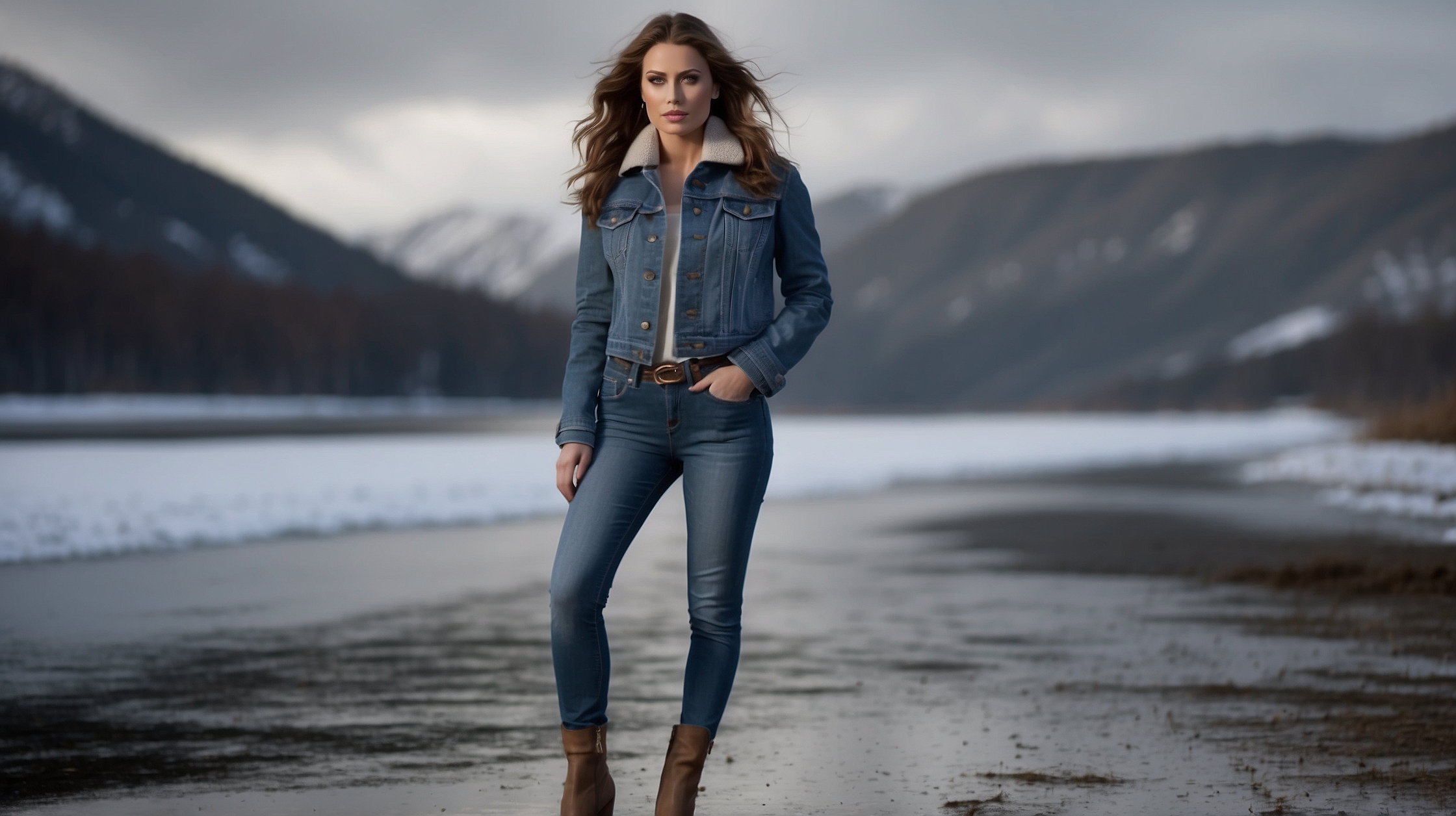
There’s nothing like the crisp bite of winter air to remind you that the seasons have truly changed. As you layer up to face icy sidewalks and frosty windows, your first instinct may be to throw on your go-to pair of jeans. After all, denim is tough, beloved, and considered a wardrobe staple for a reason. But what if this timeless classic is actually doing more harm than good when it comes to protecting you from the cold?
In the dead of winter, comfort can sometimes compromise safety. While denim may look stylish, wearing jeans in freezing conditions could put your health at risk in ways you may not have considered. Hypothermia isn’t just an abstract danger reserved for dramatic tales—it’s a real and present threat, and surprisingly, your clothing choices play a major role in either warding it off or making it worse.
So before you grab those faded blues this winter, it’s worth understanding why jeans might not be your safest bet when temperatures plunge below zero. From fabric properties to moisture retention and body heat regulation, here’s why you might want to rethink your winter wardrobe strategy.
Why jeans in freezing temperatures are a bad idea
| Topic | Details |
|---|---|
| Material Concern | Denim is primarily made of cotton, which is not good at insulating or retaining warmth. |
| Moisture Risk | Jeans absorb and retain water, making the body colder when exposed to snow or humidity. |
| Restricted Mobility | Stiffness of wet jeans can restrict movement, increasing risk of injury or hypothermia. |
| Better Alternatives | Fleece-lined pants, thermal layers, and water-resistant fabrics offer better protection. |
| Temperature Threshold | Wearing jeans becomes especially dangerous at -5°C (23°F) and lower. |
How denim fails in cold weather scenarios
Denim is a durable and versatile textile, but it’s far from ideal in below-freezing conditions. The main issue lies in its **fabric composition**. Most denim is made of 100% cotton, a material known for its breathability in summer—but it’s ironically this very breathability that makes it unsuitable for winter wear.
Unlike synthetics or wool, cotton doesn’t trap warmth well. It also absorbs moisture easily and takes a long time to dry. When snow or freezing rain comes into contact with denim, it doesn’t bounce off—it soaks in. That moisture, once absorbed, leeches heat from the body, accelerating **the risk of hypothermia**. As anyone who’s spent time in the wilderness knows, staying dry is just as crucial as staying warm.
Real consequences of bad clothing choices in winter
Not wearing the right clothing in cold temperatures can quickly escalate from discomfort to a medical emergency. **Hypothermia** sets in when the body’s core temperature drops below 35°C (95°F). Even mild hypothermia can cause confusion, sluggish movement, and fatigue. Wet jeans from snow or sleet can increase this risk dramatically by drawing heat away from the body.
Emergency services across cold-weather climates frequently warn against spending extended periods outdoors in jeans. In cases of extreme cold (below -10°C or 14°F), exposed skin and inadequate clothing can lead to **frostbite** and other cold-related injuries in under 30 minutes. Jeans not only fail to insulate properly but also restrict flexibility when damp or frozen, making emergency responses slower and more difficult.
Who’s most vulnerable when wearing jeans in cold climates
While anyone can be at risk if not properly dressed, certain groups are particularly vulnerable. **Children**, with their smaller body mass, lose heat more rapidly than adults. **Seniors**, especially those with reduced circulation or mobility, are also at increased risk. Outdoor workers, winter hikers, and even city commuters may find themselves at risk if they rely on denim as part of their daily winter wardrobe.
Adventure seekers and travelers unfamiliar with intense cold climates might underestimate how quickly poor clothing choices can lead to discomfort and danger. For these groups, preparedness is essential—and denim just doesn’t cut it when temperatures start to drop dangerously low.
What type of pants are safest in extremely cold temperatures
The best way to keep warm is to think in **layers**. Ideally, start with a moisture-wicking base layer, followed by an insulating middle layer such as fleece or wool, and finish with an outer layer that resists wind and water. Pants made from synthetic fibers like **polyester or nylon**, particularly those designed for snow sports or hiking, retain warmth and repel moisture efficiently.
**Fleece-lined leggings**, **thermal underwear**, and **softshell pants** are significantly better options than jeans when it comes to venturing out into winter weather. These not only offer better insulation but also allow a full range of movement, significantly reducing the risk of accidents or exposure.
“Cold-weather gear isn’t just about layering—it’s about material science. Cotton kills in the cold for a reason.”
— Dr. Ethan Mallory, Wilderness Survival Expert
Strategies to winterize your lower-body wardrobe
- Check for snow- or winter-rated clothing labels on pants and outerwear.
- Choose **insulating fabrics** like wool or synthetic fleece for base layers.
- Layer pants when necessary—base leggings under snow pants is highly effective.
- Invest in windproof and waterproof outer layers, especially for snow-heavy regions.
- Consider gaiters or ski pants if your activity exposes you to snow contact at the ankles or calves.
Winners and losers of winter wardrobe strategy
| Winners | Losers |
|---|---|
| Fleece- and wool-based pants | 100% cotton denim jeans |
| Thermal and wicking underlayers | Moisture-absorbing cotton layers |
| Wind- and waterproof shells | Pants that freeze or restrict movement |
How extreme cold exposes denim’s fatal flaws
Your clothes are your first line of defense against the elements. In moderate conditions, jeans may be passable. But when temperatures drop below -5°C, their drawbacks become dangerous liabilities. They freeze, stiffen, and lose all flexibility—an effect that becomes even more pronounced if you’ve been caught in a flurry or accidentally stepped into slushy water.
This reduction in mobility combined with wetness can lead to slower response times, reduced safety during falls, and increased exposure. In cold-weather conditions, time matters. Compromising even a few degrees of isolation can determine whether you make it home safely or not.
How to make smarter choices this winter
Clothing isn’t just a wardrobe statement in winter—it’s survival gear. Next time you’re about to brave long walks, hikes, or prolonged exposure in cold weather, make a conscious choice by prioritizing thermal efficiency, water resistance, and layering. Ditch the jeans not because they’re unstylish, but because there are safer and smarter alternatives that could literally save your life.
“The brutal irony is that something as seemingly minor as wearing jeans in sub-zero weather can be the first domino in a serious emergency.”
— Lt. Carla Jennings, Cold Climate Emergency Services
Frequently asked questions (FAQs)
Is it really dangerous to wear jeans in winter?
Yes, especially in wet or freezing conditions. Jeans absorb moisture and don’t insulate well, raising the risk of hypothermia.
What makes jeans unsuitable for snow or wet conditions?
Denim is made from cotton, which holds moisture. Once wet, it loses any insulating ability and increases heat loss.
What kind of pants are better than jeans for winter?
Water-resistant and insulated pants made from synthetics or wool blends are ideal. Examples include thermal or fleece-lined trousers.
At what temperature should I stop wearing jeans outdoors?
It’s best to avoid denim when temperatures dip below -5°C (23°F), especially if there’s snow or wind involved.
Is layering under jeans a good workaround?
Layering can help, but jeans still present risks when wet. It’s best to wear water-resistant outer layers instead.
Can I wear jeans indoors during the winter?
Yes, jeans are fine in warmed indoor settings but should not be relied on for extended outdoor winter exposure.
How can I keep my legs warm in freezing weather?
Use a three-layer system: moisture-wicking base, insulating middle, and weatherproof shell for best protection.
What if I get caught outside in jeans during a snowstorm?
Seek shelter immediately. Try to stay dry and add layers if possible. Change into dry clothing as soon as you can to prevent hypothermia.