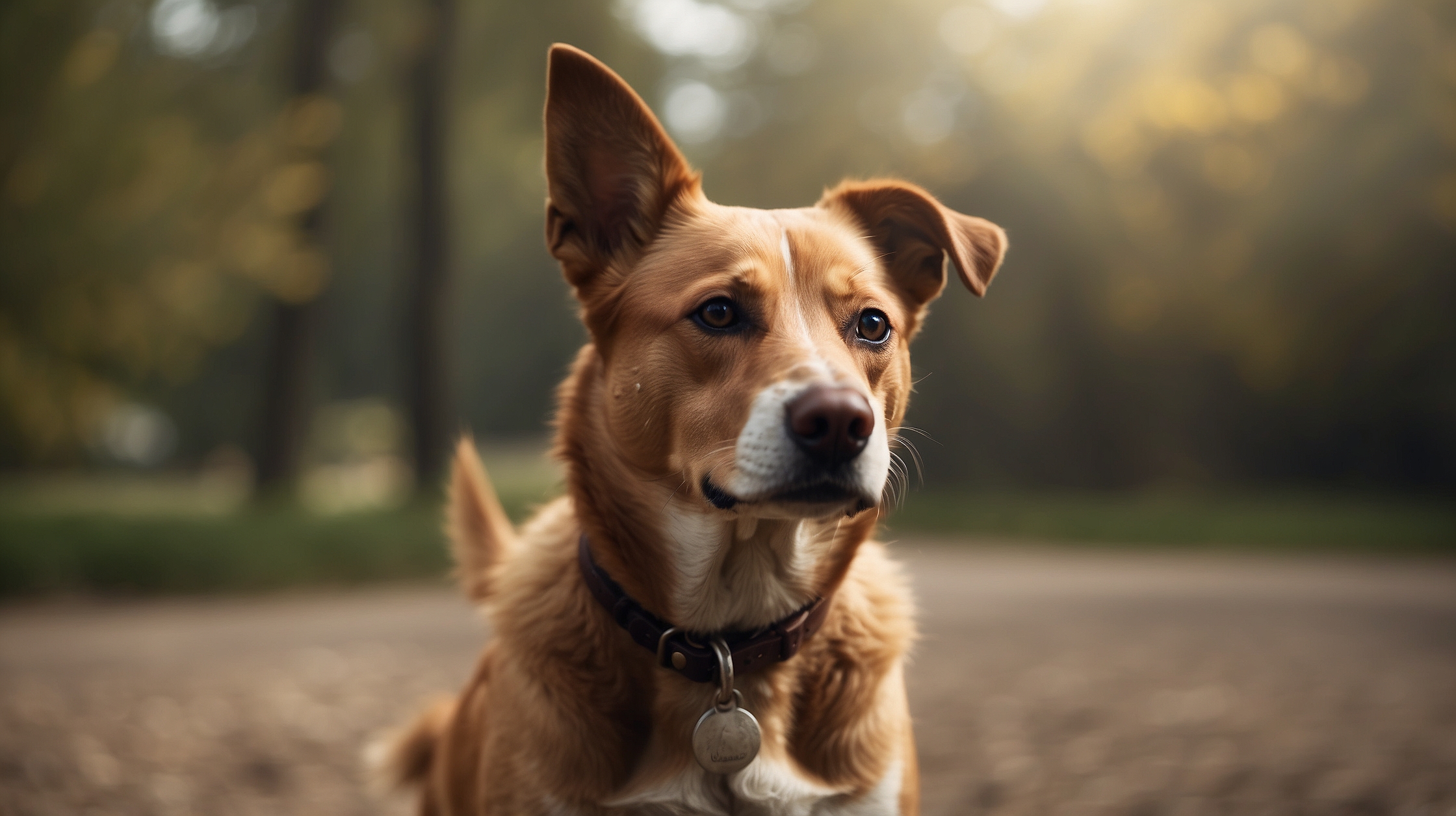
As you stroll through the park, you spot a stranger walking their dog. The dog’s tail wags enthusiastically, and you instinctively raise your hand and give a cheerful wave. The dog may not respond, but you smile anyway—something about that interaction feels simple and satisfying. It may seem like a harmless (and even charming) quirk. But according to psychologists, that small gesture might say a great deal about your personality. In fact, if you often wave at dogs you don’t know, there’s a strong chance you possess a specific psychological trait that plays a deeper role in how you perceive—and interact with—the world.
This spontaneous behavior, which many see as a lighthearted moment in a daily routine, is now the focus of increasing scientific curiosity. Recent psychological insights reveal what that wave to an unfamiliar pup really communicates about your personality. And while it may sound trivial on the surface, it actually touches upon traits deeply tied to empathy, social openness, and how we interpret human-animal interactions as a mirror to our interpersonal lives.
Let’s delve deeper into what this action actually means for your personality, explore the psychology behind it, and discover what it might reveal about people who instinctively greet animals—even when they don’t know them.
What waving at strange dogs really says about you
| Insight | Details |
|---|---|
| Psychological Trait | High Openness to Experience |
| Common Behavior | Greeting unfamiliar animals, especially dogs |
| Associated Qualities | Empathy, playfulness, emotional sensitivity |
| Who Does This Most Often | Extroverted, imaginative, emotionally expressive individuals |
| Implications | Willingness to seek connection outside human boundaries |
Why waving at unknown dogs reflects your inner personality
According to psychologists, the act of waving at dogs you don’t know—especially when the owners aren’t around or watching—is a clear demonstration of a personality trait known as openness to experience. This trait includes emotional curiosity, imagination, appreciation for beauty, and an intrinsic desire to explore novel or unfamiliar situations.
People high in openness to experience tend to find joy in the little things—like a wiggly dog tail or the soulful gaze of a Golden Retriever. For them, interactions don’t always have to be logical or rooted in usefulness. The dog doesn’t wave back, of course, but that’s not the point. Psychologically, the wave itself is a reflection of a playful spirit, imaginative thinking, and a tendency to anthropomorphize animals, projecting human-like qualities onto them.
The connection between empathy and animal interaction
The desire to engage with unfamiliar animals also aligns with another major personality trait: empathy. Studies show that people who exhibit stronger empathic tendencies are more likely to communicate with animals, even passively, and treat them as sentient beings rather than passive background creatures.
“Quick, silent interactions—like waving at a dog—can say a lot about a person’s emotional awareness. It often signals a heightened sensitivity to the emotions of others, human or otherwise.”
— Dr. Helen Givens, Behavioral Psychologist
Even if we know logically that dogs can’t wave back, our social brains don’t always operate based solely on logic. Waving represents a kind of micro-gesture of goodwill. It’s a subtle, but significant cue—a tell, if you will—of how much we seek connection in our daily lives, even in unexpected places.
How these spontaneous gestures shape social perception
People who wave at dogs (or cats, or even birds) without hesitation are perceived as more open, approachable, and socially fulfilling. These micro-behaviors are picked up by others observing them, such as fellow pedestrian passersby or the dog owners themselves.
Our spontaneous actions, particularly in public spaces, serve as under-the-radar personality cues. When someone sees you smiling, making eye contact, or waving at a friendly pup, they often subconsciously interpret you as someone who seeks—and brings—comfort and warmth in social settings. This might partially explain why individuals with such behaviors often have an easier time making friends or leaving positive impressions.
The psychology ties back to childhood traits
For many, this habit originates in childhood. Children naturally wave at animals, point out dogs to parents, and imagine vivid relationships with pets. As we grow older, these interactions may become internalized, but for some of us, they remain—especially in those with a persistent sense of wonder and curiosity.
“Adults who openly interact with pets in public settings often display retained childlike qualities—imagination, joy, and connection through gestures. These shouldn’t be seen as immaturity but rather emotional richness.”
— Dr. Raymond Ellis, Developmental Psychologist
So, if you never grew out of waving at a dog, it might mean you’re still tapped into the earnest, emotional core of your younger self—someone who believes in the magic of simple connection.
Introversion vs. extroversion in animal gestures
Interestingly, both introverts and extroverts may wave at unknown dogs, but for different reasons. Extroverts view it as a shared social act, sometimes subconsciously hoping the human owner will respond as well. They enjoy these small connections as part of a broader engagement with the world.
Introverts, however, may prefer interaction with animals over unfamiliar people. For them, waving at a dog is a low-stakes way to express friendliness without the emotional labor of human interaction. Thus, the behavior spans across personality spectrums but reflects different motivations.
When a small behavior says a lot: the takeaway
This is more than just a quirky human behavior. Waving at a dog reveals how attuned we are to our emotional environments, how much we value spontaneous joy, and even how deeply we seek connection in everyday life. Far from being a random act, it’s an actual psychological indicator worth paying attention to.
Next time you notice yourself (or someone else) laughing and waving at a friendly Labrador on the sidewalk, step back and consider: beneath that brief moment lies a web of meaningful traits—from imagination to empathy to openness—that shape who we are in a profound way.
Frequently asked questions
What personality trait is linked to waving at strange dogs?
This behavior is most closely linked to the trait of openness to experience, which includes creativity, emotional awareness, and a desire for novelty.
Is waving at animals a sign of empathy?
Yes. Engaging with animals in public settings often suggests a high level of empathy and emotional responsiveness.
Why do some adults continue child-like behaviors like waving at pets?
These actions often show that they’ve retained a deep sense of wonder and emotional resonance, both of which are valuable traits in adulthood.
Do introverts and extroverts wave at animals for different reasons?
Yes. Extroverts may do it as a social cue, while introverts may find comfort in the low-pressure emotional interaction.
Does waving at animals impact how others perceive you?
Often, yes. It can make you seem more approachable, friendly, and emotionally engaged to onlookers and pet owners alike.
Are there cultural differences in how people interact with animals in public?
Yes, cultural norms can influence how acceptable or common it is to engage with animals in public, including non-verbal gestures like waving.
Is there any harm in this behavior?
None at all. In fact, it might even be beneficial for emotional health and social connectivity.
Can we train ourselves to be more empathetic through such gestures?
Yes. Small, consistent acts of emotional openness, like waving at animals, can help gradually develop more empathy and emotional awareness.