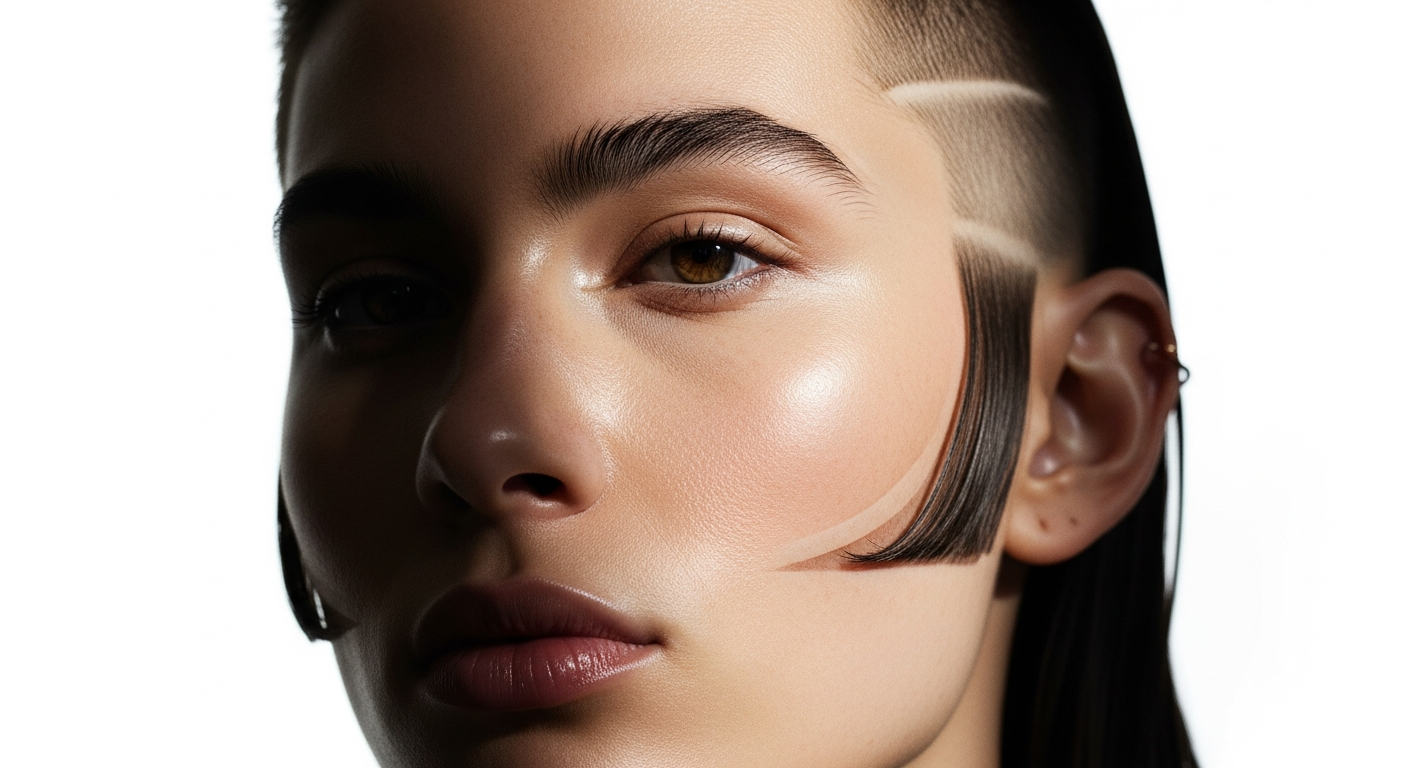
When Kanokwan finally decided to switch her hairstyle after years of sporting the same long, straight look, she eagerly flipped through glossy magazine pages and scrolled endlessly through stunning photos on social media. Inspired by celebrity trends, she walked into the salon asking for a trendy bob with curtain bangs. But what she got wasn’t quite the transformation she had hoped for. What looked bold and stylish on someone else ended up making her face look wider and her features less defined. Disappointed, she wondered, “Why doesn’t this hairstyle look right on me?”
The truth is, no matter how amazing a haircut looks in fashion spreads or influencer feeds, it won’t truly shine unless it fits your unique face shape. Countless people fall into the trap of chasing trendy hairstyles, only to find they’re not flattering or easy to manage. Today, we dig deep into why choosing a haircut based on your face shape is far more important than following the latest trend—and how sticking to this simple rule can help you look your absolute best.
From round to square, oval to heart-shaped faces, there’s a nuanced science behind how different styles highlight particular features. This article unpacks the importance of identifying your face shape and choosing a hairstyle that works *for you*, not for the camera.
Why face shape matters when choosing a hairstyle
| Aspect | Impact on Hairstyle |
|---|---|
| Face Shape | Determines the silhouette that flatters your natural dimensions |
| Hair Texture | Affects volume and movement, working in tandem with face shape |
| Trend Suitability | Not every trend complements every face structure |
| Styling Effort | Low-maintenance styles often align better with face-tailored haircuts |
| Perceived Balance | Proper cuts bring proportion to features like forehead, jawline, and cheekbones |
How a wrong style can distort your natural features
When you ignore your face shape while choosing a haircut, the results often don’t meet your expectations. Imagine someone with a round face opting for full-front bangs and a chin-length bob—a trendy look, but one that can widen the face instead of elongating it. Similarly, someone with a long face may choose straight, long hair that can make their face appear even longer, thereby worsening imbalances rather than correcting them.
“The key is to create balance and harmony,” explains veteran hairstylist Apiradee Supakul.
“Trendy haircuts may look good on a runway model with a perfect oval face, but for everyday people, the goal should be to enhance natural features, not mask them.”
—Apiradee Supakul, Hairstylist
Common face shapes and what suits them best
Round face
Characteristics: Equal width and length, soft angles
Ideal styles: Long layers, side-swept bangs, high ponytails
Avoid: Blunt bobs, straight full bangs
Oval face
Characteristics: Slightly longer than wide, balanced proportions
Ideal styles: Nearly any style works—layers, curtain bangs, pixie cuts
Avoid: Heavy bangs that obscure the symmetry
Square face
Characteristics: Strong jawline, broad forehead
Ideal styles: Soft layers, waves, side-parted cuts
Avoid: Boxy cuts, straight lines near the jaw
Heart-shaped face
Characteristics: Wide forehead, narrow chin
Ideal styles: Chin-length bobs, side bangs, waves below the chin
Avoid: Short, blunt fringe or high-volume crowns
Long or oblong face
Characteristics: Longer than wide, high cheekbones
Ideal styles: Bangs, layered cuts that add width, shoulder-length cuts
Avoid: Long straight hair that elongates the face further
The psychology of feeling good in the right haircut
Hair is deeply personal—our emotional connection to it is undeniable. According to beauty psychologist Dr. Naphat Phayak, the right hairstyle can uplift moods and boost confidence.
“A haircut that frames your face beautifully not only enhances your appearance but shifts your self-perception.”
— Dr. Naphat Phayak, Beauty Psychologist
When you see a positive transformation that aligns with your natural beauty, you feel more grounded and empowered.
Hairstyle trends are great—but adapt them wisely
Trends aren’t inherently bad. They’re fun, creative, and ever-evolving. But the key is adaptation. You can take inspiration from a trendy wolf cut or Korean-style fringe, but tailor it to match your face shape and lifestyle. A stylist trained to analyze face shapes can help translate trendy looks into something flattering for you without losing the charm of the original style.
“Trends are for inspiration, not duplication,” says stylist Kittinan Wongthat.
“A good stylist will personalize a trend so that it highlights your best attributes while keeping it current.”
— Kittinan Wongthat, Professional Stylist
Tips to find the right haircut for your face
- Identify your face shape: Use a mirror and mark out the width of your forehead, cheekbones, and jawline.
- Consult a professional: Ask stylists for options that support your features.
- Consider your daily routine: Some styles demand more time for maintenance.
- Use technology: Virtual hairstyle apps can offer previews of specific cuts on your face shape.
- Trust the basics: If you find a style that consistently works, make it your signature look.
Biggest winners and losers of face-shape-blind haircuts
| Winners | Losers |
|---|---|
| People with oval faces who can pull off most styles | People with strong jawlines choosing sharp-edged cuts |
| Heart-shaped faces using side bangs for balance | Round faces opting for ultra-short, cropped bobs |
| Layered cuts on long faces to create width | Long, straight styles on already elongate faces |
Embrace your uniqueness and let your style enhance it
At the end of the day, your hairstyle should be a reflection of your personality, not just a reflection of what’s trending. Embracing your natural structure and fashioning a cut around it is a timeless approach. Whether you’re looking for a dramatic change or subtle enhancement, knowing your face shape is the first step to transforming your look with intelligence and style.
So next time you walk into a salon, don’t just bring a picture of your favorite celebrity—bring knowledge of your face shape and a desire to work with what nature gave you. You may find it makes all the difference.
Frequently asked questions
How do I determine my face shape at home?
You can trace your face’s outline on a mirror using a lipstick or whiteboard marker, then compare it to common shapes like oval, round, square, or heart-shaped.
Are there any hairstyles that work for every face shape?
Some layered styles or soft waves can be adjusted to suit most face shapes, but customization is always recommended.
Why do some trendy haircuts look bad on me?
Trendy styles may not account for your face proportions, making features look unbalanced or disconnected.
What haircut is best for making a round face look slimmer?
Long layers, side bangs, and off-center parts can help elongate a round face visually.
Can a proper haircut make me look younger?
Yes, well-placed layers and face-framing cuts can enhance youthfulness by softening features and adding movement.
Is it necessary to alter my haircut with age?
As your face and hair texture change with time, adapting your haircut can help maintain a fresh and flattering look.
Do hair color and highlights affect face shape perception?
Strategic highlights can add depth and contour, helping to balance or emphasize specific features.
How often should I update my haircut?
Most professionals recommend trims every 6–8 weeks to maintain shape. Style updates can be seasonally or annually depending on preference.